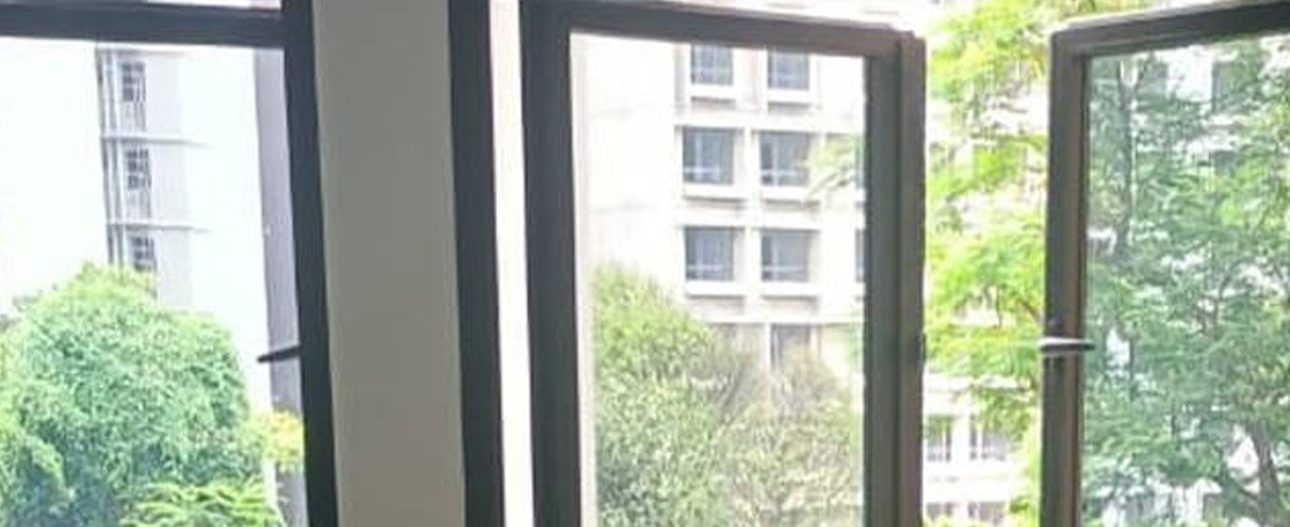
In Singapore, heat and glare are part of daily life. Singapore’s daytime temperatures typically range from 30°C to 34°C, and year-round high humidity can make keeping homes comfortable challenging. Many rely on air conditioning, which increases electricity bills. This is where solar film helps. In this solar film Singapore Price Guide, we cover how solar film works, its benefits, costs, and how to choose the right option for your home.
Introduction to Solar Film Singapore
Solar film, also called window tint, is a thin, multi-layered film applied to glass to reduce heat, glare, and harmful UV rays. In Singapore, it is commonly installed in:
- HDB flats
- Condominiums
- Landed properties
- Offices and commercial buildings
Types of Solar Films Available in Singapore
There are several types of solar films available in the Singapore market. Each serves different needs.
1. Dyed Solar Film
- Budget-friendly
- Reduces glare
- Moderate heat control
2. Metalised Solar Film
- Stronger heat reflection
- Better privacy
- May affect signals
3. Ceramic Solar Film
- Nano-ceramic technology
- Excellent heat rejection
- No signal interference
- Clear and durable
4. Dual-Reflective Solar Film
- Reflective outside, clear inside
- Good daytime privacy
- Ideal for high-rise homes
How Does Solar Film Work?
Solar film works by controlling three types of solar energy:
- Visible Light
- Infrared (IR) Heat
- Ultraviolet (UV) Rays
High-quality solar film uses multiple microscopic layers to:
- Reflect solar heat away
- Absorb excess infrared radiation
- Block harmful UV rays
How Long Does Solar Film Last in Singapore’s Climate?
Singapore’s climate is hot and humid, with strong sunlight year-round. Naturally, durability is a key concern.
High-quality solar films typically last:
- 5–8 years for standard films
- 10–15 years for premium ceramic films
Factors affecting lifespan include:
- Sun exposure direction (west-facing windows experience stronger heat)
- Installation quality
- Product grade
How Effective Is Solar Film in Reducing Heat and UV Rays?
Performance varies depending on film type and specifications.
Here are general performance benchmarks:
- UV Rejection: Up to 99%
- Infrared Heat Rejection: 70%–95% (premium films)
- Total Solar Energy Rejection (TSER): 40%–80%
- Glare Reduction: Up to 90%
How to Choose the Right Solar Film: Practical and Environmental Considerations
Before selecting a solar film in Singapore, consider these key factors:
- Window Direction: West-facing windows need higher heat rejection.
- Building Rules: Check condo guidelines on reflectivity and colour.
- Privacy: Darker or dual-reflective films improve privacy.
- Signal Use: Ceramic films prevent signal interference.
- Energy Savings: Better heat rejection lowers air-conditioning use.
Solar Film Singapore Price Guide
Now, to the key question: how much does solar film cost in Singapore? Solar film pricing depends on film type and total window area. Below is a general guide:
Estimated Solar Film Singapore Price (Residential)
- Dyed Film: SGD $6 – $9 per square foot
- Metalized Film: SGD $8 – $12 per square foot
- Ceramic Film: SGD $12 – $18 per square foot
- Premium Nano-Ceramic Film: SGD $15 – $22 per square foot
For a typical 4-room HDB flat, the total installation cost may range between:
- SGD $800 – $2,500: depending on window size and film grade
Factors Affecting Solar Film Singapore Price
Several factors influence final pricing:
- Film Technology: Ceramic and nano-ceramic films cost more for better performance.
- Window Area: Larger projects may get lower per-square-foot rates.
- Installation Complexity: High ceilings or difficult access increase labour costs.
- Brand & Origin: Premium films from the USA, Japan, or South Korea are priced higher due to their quality and durability.
- Warranty: Longer warranties (5–15 years) indicate higher-grade products.
Frequently Asked Questions (FAQs)
1. Is solar film allowed for HDB in Singapore?
Yes, but it must comply with HDB guidelines and not alter the external façade significantly.
2. Will solar film make my house dark?
Not necessarily. Modern ceramic films offer high clarity while blocking heat.
3. Can solar film reduce electricity bills?
Yes. By reducing heat gain, air-conditioning usage may decrease, improving energy efficiency.
4. Does solar film damage glass?
No, when professionally installed using quality products.
5. How long does installation take?
Most residential projects are completed within 1 day.
Why Choose ShieldShade International’s Solar Film?
At ShieldShade International, we are a one-stop home window solar film company in Singapore.
We offer:
- Premium solar films from USA, South Korea, and Japan
- Strict quality control and performance testing
- Professional installation team
- Long warranty coverage
- Clear and transparent pricing
Installing solar film in Singapore is a smart investment. With rising temperatures and energy costs, reducing heat through windows improves comfort and efficiency. This solar film Singapore price guide shows that prices vary by film type and installation. While cheaper options exist, premium films offer better durability, stronger heat rejection, and longer warranties for greater long-term value.
Looking for reliable solar film in Singapore at transparent pricing? Contact ShieldShade International for a free consultation and site measurement. Let our specialists recommend the most suitable solar film solution for your home. Stay cooler. Reduce glare. Protect what matters.