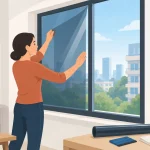
By mid-afternoon, the same HDB window can make one room feel comfortable and another feel like it is storing heat for later. That is usually the point when homeowners start looking seriously at hdb window solar film – not as a cosmetic add-on, but as a practical upgrade that changes how the home feels every day.
In Singapore-style high-rise living, glass does more than bring in daylight. It also invites heat, glare, and UV exposure into bedrooms, living rooms, and work corners that get direct sun. Curtains can darken a space, but they also block the view and natural light. Replacing the glass is expensive and disruptive. Solar film sits in that useful middle ground. It improves performance without major renovation work.
Why hdb window solar film makes sense
For HDB homeowners, comfort is rarely about one issue alone. Heat usually comes with glare. Glare often affects screen use, rest, and eye comfort. Strong sun exposure can also fade flooring, curtains, furniture, and soft furnishings over time. A good solar film addresses several of these problems together.
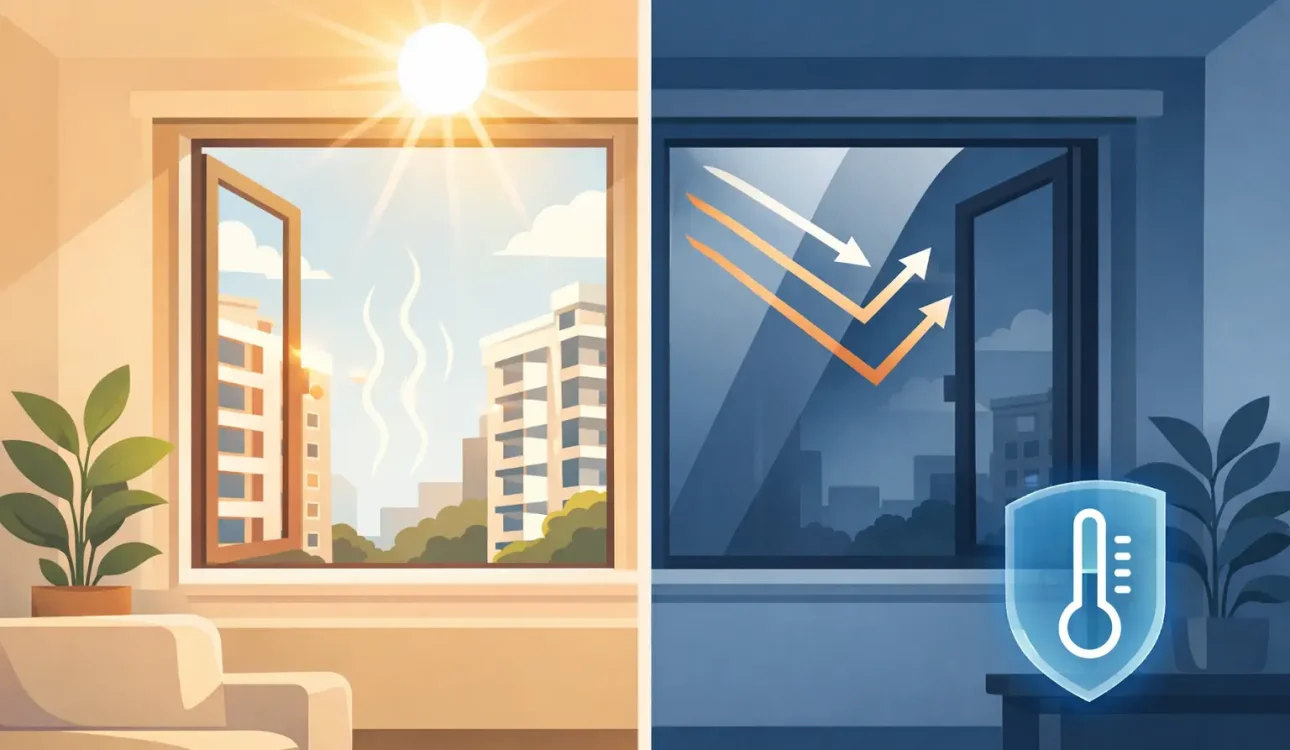
The main benefit is solar control. Quality film helps reduce solar heat gain so rooms feel less harsh during peak sun hours. That does not mean every space will suddenly become cold without air conditioning. Real performance depends on window orientation, glass type, room size, ventilation, and whether the sun hits the window directly. But in many homes, the improvement is obvious enough to notice within the first sunny day.
There is also the issue of UV protection. Many premium films are designed to reject a high percentage of UV rays, helping to protect interiors from long-term fading. That matters in homes where daylight is important, but so is preserving the condition of furniture and finishes.
Then there is glare. This is one of the most underestimated reasons people choose solar film. A room can be bright yet still uncomfortable when sunlight bounces off screens, polished surfaces, or tiled floors. The right film softens that intensity while keeping the room usable.
Not all solar films perform the same
This is where many buyers get tripped up. Two films can look similar on glass and have very different technical performance. Some are built mainly for appearance. Others are engineered for stronger heat rejection, better optical clarity, longer durability, or a more balanced mix of daylight and solar control.
When choosing hdb window solar film, visible light transmission matters. A darker film is not automatically a better heat-control film. Some advanced films can reject significant heat while maintaining a relatively clear view. That is often the better choice for homeowners who want daytime comfort without making the home feel closed in.
Infrared heat rejection is another factor, though it should be viewed in context. It can be useful, but it should not be the only number that drives a buying decision. Total solar energy rejection, glare reduction, UV protection, and long-term stability are just as important. A film with impressive marketing claims but poor clarity, short lifespan, or uneven installation is not a premium solution.
Construction also matters. Better films tend to offer stronger scratch resistance, more stable adhesives, and more consistent performance over time. In a tropical climate, that durability matters. Constant heat, humidity, and sun exposure will reveal the difference between entry-level film and a properly sourced, professionally installed product.
How to choose the right film for each HDB room
The best film for a living room may not be the best one for a bedroom. This is why a one-size-fits-all recommendation often falls short.
For living rooms with strong afternoon sun, homeowners usually benefit from a film that prioritizes heat and glare reduction while still preserving a clear, comfortable view. If the space doubles as an entertainment area, managing reflections on the TV becomes part of the decision too.
Bedrooms often need a different balance. Some owners want better cooling and softer daylight in the morning, while others are more concerned with privacy from nearby blocks. Solar film can help with both, but if privacy is the main goal, a combination of solutions may be more suitable depending on the layout and viewing angles.
Home offices deserve careful attention. If you work near a window, glare can become more disruptive than heat. In that case, a film with balanced light control may perform better than one chosen purely for darker appearance.
Kitchen windows, service yard areas, and smaller side windows may have their own needs based on ventilation, direct exposure, and proximity to neighboring units. The right recommendation should come from how the space is used, not just from what looks good on a sample card.
What homeowners should ask before installing
Before moving ahead, ask how the film is expected to perform on your specific glass and orientation. East-facing, west-facing, and partially shaded windows behave differently. Ask whether the recommendation is aimed at maximizing heat rejection, preserving brightness, reducing glare, or improving privacy. The answer should be clear, not vague.
It is also worth asking about film origin, warranty, and installation standards. Product quality and installation quality work together. Even a premium film can underperform visually if edges, alignment, or finishing are poorly handled. Bubbles, contamination, peeling, and inconsistent cuts are not small details. They affect both appearance and lifespan.
This is one reason many homeowners prefer working with a specialist rather than treating window film like a generic commodity. A proper supplier-installer does not just sell a roll of film. They assess the use case, explain trade-offs, recommend the appropriate grade, and install it with precision.
Common trade-offs to understand
There is no single perfect film for every HDB flat. Better decisions come from understanding what you are prioritizing.
If you want maximum privacy during the day, a more reflective finish may help, but that can also change the exterior look and may not provide the same effect at night when interior lights are on. If you want the brightest interior possible, you may need to accept a lighter film with less glare reduction than a darker option. If you want stronger heat control, the room may appear slightly more tinted depending on the product selected.
This is not a drawback. It is simply how performance choices work. The strongest results come from matching the film to the problem you actually want solved.
Installation quality is part of the product
Window film is one of those categories where installation cannot be separated from the final result. Precision matters at every stage, from surface preparation to film handling and finishing. Dust control, edge trimming, curing expectations, and post-installation care all affect how the film will look and last.
A reliable installer should also be able to explain what is normal during curing. Slight haziness or small water pockets can be part of the settling process depending on the film and environment. What matters is whether the work has been done correctly and whether the installer sets the right expectations from the start.
At ShieldShade International, this specialist approach is central to the service. Product quality, tropical-climate suitability, and installation precision all have to align for the result to be worth the investment.
Is hdb window solar film worth it?
For many homeowners, yes – especially if a room gets strong sun, feels uncomfortable during the day, or forces you to keep curtains closed more often than you want. The value is not only in heat reduction. It is in making the home easier to live in.
A well-chosen film can help a bright room stay bright without feeling punishing. It can reduce eye strain when you are working, preserve your furnishings over time, and make certain parts of the home more usable throughout the day. It is a practical upgrade, not a dramatic renovation, and that is exactly why it appeals to so many HDB residents.
If you are comparing options, look beyond price alone. Ask what problem the film is meant to solve, how it will look on your windows, and how it is expected to perform in real daily conditions. The best choice is the one that gives you the right balance of comfort, clarity, and durability long after installation day. Upgrade your view with a solution that works as hard as your windows do.