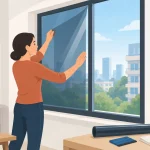

A west-facing conference room can become unusable long before the meeting starts. Employees lower blinds, screens wash out, and the air-conditioning works harder against heat pouring through the glass. Replacing windows may be disruptive and expensive, but the right film can address the actual problem without changing the building envelope. This commercial glass film selection guide explains how to choose a solution based on your space, glass type, performance target, and installation requirements.
Commercial film is not a one-product purchase. A bright retail frontage, a private clinic, and a glazed office tower may all use window film, but they require very different results. The best choice begins with a clear view of what the glass needs to do after installation.
Start With the Business Problem, Not the Film Color
A dark-looking film is not automatically the best heat-control film, and a mirrored finish is not automatically private at night. Before comparing samples, identify the primary concern in each zone. For most commercial properties, the decision centers on solar heat, glare, privacy, safety, appearance, or a combination of these needs.
Solar control film is often the right starting point for offices, showrooms, restaurants, and reception areas exposed to direct sun. It can reduce solar heat gain, minimize glare on monitors, and filter a substantial portion of UV radiation that contributes to fading on furniture, flooring, displays, and merchandise. In warm, sunny climates, this can make perimeter areas more comfortable and reduce pressure on cooling systems.
Privacy film serves a different purpose. Frosted and opaque films obscure views through internal partitions, making them useful for meeting rooms, clinics, HR offices, and treatment areas. One-way reflective film can provide daytime privacy where exterior light is much stronger than interior light. Once lights are switched on indoors after dark, that effect can reverse. Projects that need consistent privacy around the clock may require frosted film, blackout film, blinds, or a combined solution.
Decorative film is a practical branding tool as well as an aesthetic upgrade. It can define rooms, add subtle patterns, carry a logo, or refresh plain glass partitions without permanent alteration. For leased offices, this flexibility is often valuable when layouts or tenants change.
Commercial Glass Film Selection Guide: Know the Key Ratings
Manufacturer specifications let you compare films beyond their appearance. They should be reviewed in relation to the exact glass and building orientation, not treated as stand-alone promises.
Visible light transmission, commonly called VLT, measures how much visible light passes through the glass-film system. A higher VLT keeps the room brighter and maintains a more open appearance. A lower VLT reduces brightness and glare more aggressively, but may make an already shaded interior feel dim. For areas with computer workstations, the ideal balance depends on screen placement, daylight levels, and the intensity of direct sun.
Total solar energy rejected, or TSER, is a useful broad indicator of solar performance. A higher TSER generally means more solar energy is kept from entering the space. Solar heat gain coefficient, or SHGC, is another important figure, especially when your facilities team is assessing cooling loads. Lower SHGC means less solar heat passes through the window system.
Do not overlook glare reduction. A lobby may benefit from strong heat rejection while still requiring enough daylight to look welcoming. A training room with large display screens may prioritize glare control even if it needs a slightly darker film. Viewing actual samples against your glass at different times of day is more reliable than choosing from a brochure alone.
UV rejection matters for areas containing valuable inventory, artwork, fabrics, wood finishes, or customer displays. However, UV protection alone does not equal heat reduction. A film can block a high percentage of UV while offering modest solar control, so evaluate the complete specification sheet.
Match the Film to the Glass and Building Conditions
The existing glazing determines which films are suitable. Commercial buildings may have clear annealed glass, tempered glass, laminated glass, insulated glass units, tinted glass, low-emissivity glass, or combinations of these. Applying the wrong film to certain glass systems can increase heat absorption and contribute to thermal stress.
This does not mean film is unsuitable for complex glazing. It means the installation team must inspect the glass and select a compatible product. Pane size, edge condition, frame type, existing seals, interior shading, and the amount of direct sunlight all affect the recommendation. Dark films and highly absorptive films require particularly careful assessment on some glass types.
For insulated glass units, confirm how film installation may affect the manufacturer’s warranty. For buildings under management or landlord control, check fit-out rules before proceeding. Some property managers restrict exterior appearance changes, reflective finishes, or installation work during office hours. A professional survey should account for these practical limitations early, before materials are ordered.
Choose the Right Film Category for Each Zone
Using one film throughout an entire workplace is not always the most effective approach. Commercial buildings have mixed needs, and zoning the solution can improve both performance and appearance.
Solar Film for Heat and Glare Control
Solar film is suited to sun-exposed facades, especially windows facing the strongest afternoon light. Modern neutral and spectrally selective options can reject significant heat while preserving a relatively natural view. This is often preferable in executive offices, retail windows, and spaces where a very dark or highly reflective look would conflict with the design.
More reflective films can deliver strong daytime heat control and a more private exterior appearance. The trade-off is that reflectivity changes the building’s look and may be unacceptable under lease or management guidelines. It can also create a stronger mirror effect from inside under certain lighting conditions.
Frosted and Blackout Film for Privacy
Frosted film is a dependable choice for internal glass partitions because it provides stable visual privacy day and night while still allowing light to pass through. It works well on meeting-room walls, interview rooms, medical spaces, and back-of-house areas. Partial frosting can preserve open sightlines while shielding seated occupants or confidential work zones.
Blackout film is more appropriate when no visibility is required, such as storage rooms, equipment rooms, or temporary partitions. It blocks the view completely, but it also blocks light. If daylight is part of the space’s appeal, consider a frosted design or a strategically placed opaque band instead.
Safety and Security Film for Added Protection
Safety film is designed to help hold broken glass together after impact, reducing the spread of shards. It can be useful near entrances, schools, public-facing counters, and areas where accidental breakage is a concern. Security film may offer a heavier construction and can delay forced entry, particularly when paired with an appropriate attachment system.
These products should not be described as making glass unbreakable. Their performance depends on film thickness, glass type, framing, edge retention, and the specific threat being considered. Where code compliance, blast mitigation, or forced-entry resistance is required, involve qualified project professionals and specify products tested for the relevant standard.
Installation Quality Is Part of the Product
A premium film can underperform if it is installed over contaminated glass, cut inaccurately, or selected without considering the glazing system. Commercial projects also need planning that respects occupied spaces. Scheduling after hours, protecting nearby furniture and electronics, coordinating access, and working around tenant operations all matter.
Ask the installer how they handle glass inspection, film compatibility, edge finishing, curing expectations, and warranty coverage. Freshly installed film may show a temporary hazy or watery appearance while the application solution dries. The curing period varies with film type, weather, and site conditions, so it should be explained before handover.
Appearance should be evaluated from both sides of the glass. Small dust particles, seal lines, and minor visual characteristics can be more noticeable under certain lighting, especially on large panes. A clear discussion of acceptable installation standards prevents unrealistic expectations and supports a better final result.
Make the Decision With Real Samples and Real Conditions
The strongest commercial film choice is rarely made from a single number or a color chip. Review samples on the actual windows, then observe them in direct daylight and under interior lighting. Consider how the film affects employees at desks, customers approaching the entrance, display visibility, and the building’s exterior character.
A site-specific recommendation should connect the product to a measurable goal: less glare on workstations, reduced heat near a storefront, privacy for a meeting room, or safer glass at a public entry. ShieldShade International approaches commercial installations this way, pairing premium film options with careful assessment and precision installation.
Your glass already shapes comfort, privacy, and energy use every working day. Choose film that solves the condition you can see and feel, rather than simply choosing the darkest sample on the board.