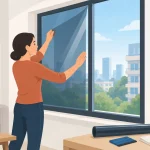
If your living room heats up by noon, your air conditioning runs longer than it should, and certain seats near the window feel almost unusable, home window solar film is not a cosmetic upgrade. It is a practical way to make glass perform better. In tropical, high-sun environments, the right film can noticeably reduce heat, glare, and UV exposure without changing your windows or starting a renovation.
That sounds simple, but the category is full of mixed claims. Some films are built for appearance more than performance. Others block plenty of visible light, yet do less than expected for heat rejection. The real value comes from matching the film to the room, the sun exposure, and the type of glass already installed.
Why home window solar film matters in real homes
Glass is one of the weakest points in any home when it comes to solar heat gain. Large windows bring in daylight and improve the look of a space, but they also let in infrared heat, harsh glare, and UV rays that fade flooring, curtains, and furniture over time. In apartments, HDB flats, and condos where buildings sit close together, the problem is often worse because comfort and privacy are both limited by the same window.
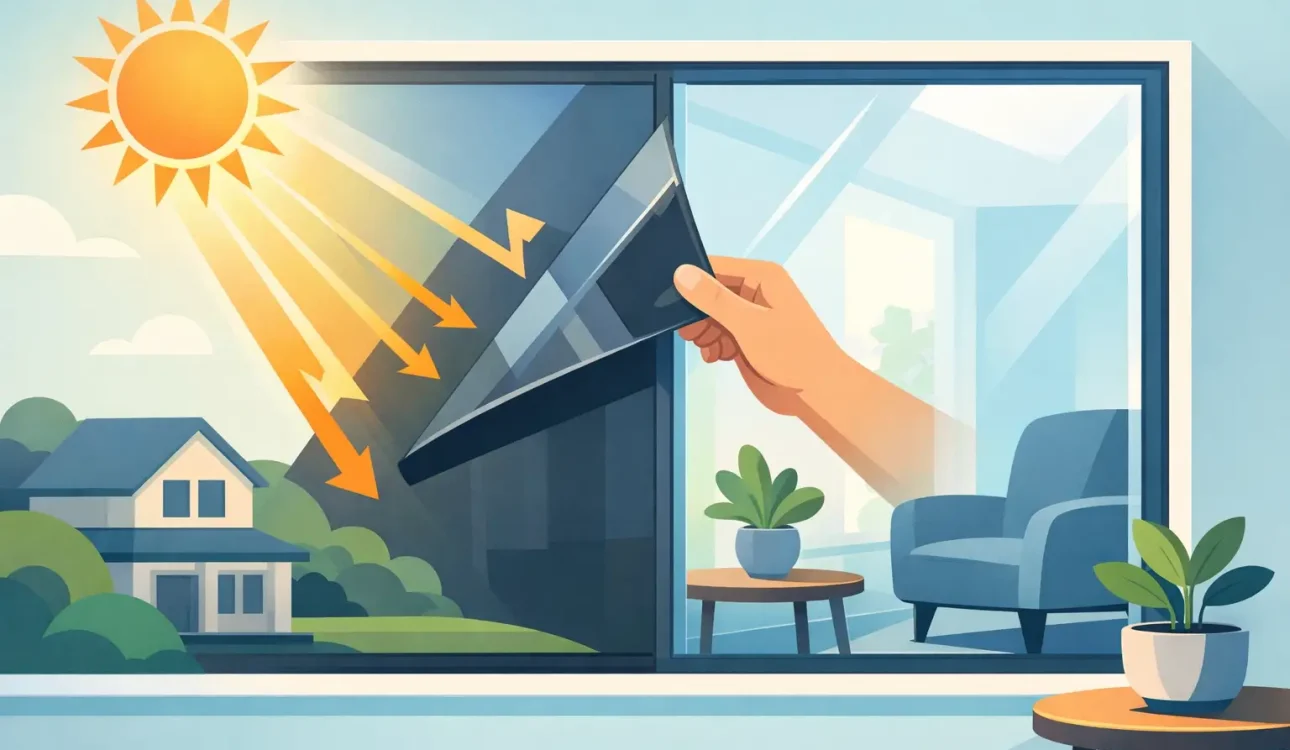
Home window solar film addresses several issues at once. It helps keep rooms cooler, reduces eye strain from bright reflections, and cuts UV exposure that can damage interiors. Depending on the film selected, it can also improve daytime privacy or soften the look of the glass from the outside.
The key point is that not all benefits carry equal weight in every room. A west-facing bedroom may need aggressive heat and glare control. A living area may need a brighter film that still protects furnishings. A kitchen window may need a balance of heat reduction and easy visibility. Good results come from choosing based on use, not just brochure numbers.
What good home window solar film should do
A quality film should lower heat transmission without making your home feel dark and closed in unless that is the specific goal. It should also maintain optical clarity, adhere cleanly, and last well in a humid climate. Cheap film often fails in the details – haziness, bubbling, peeling edges, or a look that feels overly reflective and out of place on a residential facade.
Performance should be judged on a few practical outcomes. First, the room should feel more stable during peak sun hours. Second, glare should be reduced enough that screens, TVs, and seating areas are more comfortable. Third, the film should provide reliable UV filtering to help slow fading indoors. If a film is marketed as premium but does not improve day-to-day comfort, the specs do not mean much.
This is where professional guidance matters. Different constructions such as dyed, metalized, hybrid, and advanced nano-ceramic films behave differently. Some prioritize affordability. Some offer stronger solar control. Some are better for homes that want heat reduction without a dark or mirrored appearance.
How to choose home window solar film for your space
The first question is where the heat is coming from. East- and west-facing windows usually take the harshest direct sun. These are often the first places where film delivers an obvious difference. Bedrooms, living rooms, and study areas tend to show the fastest comfort improvement because people spend more time there and notice glare immediately.
The second question is what you are willing to trade. Darker films can cut more glare, but they also reduce daylight. Reflective films can improve daytime privacy and solar performance, but some homeowners prefer a more neutral look. Ceramic and other high-end films usually cost more, yet they can preserve brightness while still reducing heat significantly. It depends on whether your priority is maximum cooling, aesthetics, privacy, or a balanced result.
Existing glass also matters. Not every film is suitable for every window type. Applying the wrong product to certain glass configurations can create stress and raise the risk of damage. An experienced installer will assess glass type, window orientation, room use, and desired finish before recommending a film. That process protects both performance and durability.
Heat rejection is not the only number
Many buyers focus on a single specification and miss the bigger picture. Total solar energy rejection is useful, but it should be read alongside visible light transmission, UV rejection, and the overall appearance of the finished glass. A film with strong heat rejection but very low light transmission may not suit a family room that depends on natural light.
That is why side-by-side comparison matters. The best choice is rarely the darkest film or the most expensive one. It is the film that solves the actual problem in that room while still fitting the way you live.
Installation quality makes or breaks results
Even premium film can underperform if installation is rushed or careless. Dust contamination, poor edge finishing, improper curing expectations, and weak product matching all affect the final result. In residential settings, these details are visible every day. You want a finish that looks clean from both inside and outside, not one that calls attention to itself for the wrong reasons.
Professional installation also matters because homes are not one-size-fits-all. Corner units, high-floor apartments, landed properties, and compact flats each experience sun and privacy differently. A specialist installer can recommend whether the same film should be used throughout the home or whether different zones need different solutions.
This is one reason many property owners prefer a one-stop provider. Product selection, technical advice, installation, and after-sales support work better when handled as one coordinated service. ShieldShade International has built its reputation around that model, combining premium film sourcing with project-based recommendations for real homes in hot, bright urban conditions.
Common expectations and realistic results
Homeowners often ask whether solar film will eliminate heat entirely. No film can turn sun-facing glass into a solid wall, and any promise like that should raise questions. What a well-chosen film can do is reduce heat buildup enough to make rooms more comfortable, lower the burden on cooling systems, and improve usability throughout the day.
Another common question is whether the house will become too dark. That depends on the film series and shade selected. Modern high-performance films can reduce heat and UV while keeping a relatively bright, natural appearance. For many homes, that balance is exactly what makes the upgrade worthwhile.
People also ask about privacy. Solar film may improve daytime privacy, especially in reflective finishes, but it does not automatically create full privacy at night when interior lights are on. If privacy is the main goal, a different film category or a combined solution may be the better fit.
When home window solar film is worth it
If you are dealing with hot spots near windows, excessive glare on screens, fading furniture, or heavy afternoon sun, film is often one of the fastest upgrades with the least disruption. There is no need to replace the entire window system just to improve comfort. That is a major reason film remains a smart option for HDB homes, condos, and landed properties alike.
The value is strongest when you plan to stay in the property and want a daily quality-of-life improvement. You feel it in the room temperature, see it in reduced glare, and appreciate it over time as interiors stay better protected. It is also a cleaner, faster solution than blinds alone, which help with light but do far less for solar heat before it enters the glass.
A good film should not feel like a compromise. It should feel like your windows finally suit your home, your climate, and the way you use each room. If the glass is making part of your space uncomfortable, the right solution is not to work around it. Upgrade your view today with a film that is built to perform where it matters most.