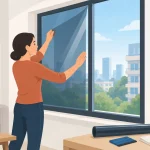

A transparent meeting room can look impressive until confidential discussions, employee screens, and client presentations are visible from every corridor. The best office privacy film solves that problem without the cost, mess, or permanent loss of daylight that comes with replacing glass or building new walls.
For offices with glass partitions, street-facing windows, and shared commercial spaces, privacy film is more than a finishing touch. It helps define boundaries, reduce visual distractions, protect sensitive work, and create a more polished environment for employees and visitors. The right choice depends on where the glass sits, how much light the space needs, and whether privacy is required all day or only in specific areas.
What Makes the Best Office Privacy Film?
The best office privacy film is not always the darkest film. In many workplaces, the goal is to block direct views while retaining an open, bright feel. A finance team may need near-total visual screening around sensitive documents, while a creative studio may prefer a light frosted finish that maintains connection across the office.
Start by considering sightlines rather than simply the size of the window. Stand in corridors, reception areas, neighboring offices, and outside the building. Look at what employees, visitors, or passersby can actually see through the glass. This often reveals privacy gaps around meeting rooms, executive offices, pantry areas, server rooms, and workstations near exterior windows.
A quality film should also suit the working environment. Commercial spaces experience frequent cleaning, constant lighting changes, and heavy foot traffic. Premium film with professional installation holds its appearance better, resists peeling at the edges, and delivers more consistent coverage across large glass panels.
Privacy Level Comes First
Office privacy is not one-size-fits-all. Frosted film obscures shapes and details while allowing light through, making it a strong option for internal partitions. Blackout film provides the highest level of visual separation, but it can make a room feel enclosed if used across an entire wall. One-way reflective film can help with daytime privacy on exterior glass, although its effectiveness changes after dark when interior lighting is brighter than outside.
This is why a site assessment matters. A film that performs well for a daytime storefront may not provide the same privacy for an office operating late into the evening.
Light, Heat, and Glare Still Matter
Privacy should not create a new comfort problem. Glass-heavy offices can become hot and glare-prone, especially in sun-facing rooms. Choosing a privacy film with solar-control properties can reduce heat gain, soften harsh glare, and help protect furnishings from UV exposure while addressing visibility concerns.
For a conference room with a projector or display screen, glare control may be as valuable as privacy. For a reception area, a decorative frosted film can make the space more welcoming while preventing clear views into work areas. The best selection balances these daily demands rather than treating privacy as an isolated issue.
Best Office Privacy Film Types Compared
Several film categories can work in an office, but each serves a different purpose. Selecting by appearance alone often leads to disappointment later.
- Frosted and etched glass film: This is a versatile choice for meeting rooms, internal glass walls, clinics, consultation rooms, and office partitions. It diffuses light and blocks detailed views while preserving a clean, modern look. It is available in full coverage, partial bands, gradients, and custom-cut designs.
- Decorative privacy film: Decorative films add pattern, texture, stripes, or branded elements to glazing. They are useful where privacy and visual identity need to work together, such as reception areas, salons, showrooms, and client-facing offices.
- Blackout privacy film: This option is designed for spaces requiring complete visual concealment. It is well suited to storage rooms, back-of-house areas, equipment rooms, and selected panels where no visibility is desired. Use it carefully in smaller rooms because it removes natural light.
- One-way reflective film: Reflective film can offer daytime privacy while also reducing solar heat and glare on exterior-facing windows. It is most effective when the exterior is brighter than the interior, so it should not be relied upon as a complete nighttime privacy solution.
For many offices, a combination is the strongest approach. Frosted film may be used on interior meeting room partitions, while solar or reflective film handles heat and daytime visibility on perimeter windows. This creates a consistent result without forcing one film type to solve every problem.
Choosing Film for Each Office Area
Meeting rooms are usually the first priority. Full frosted coverage offers confidentiality, but it can make the room feel disconnected from the rest of the office. A popular alternative is a frosted center band or gradient design. It shields seated participants and presentation materials while leaving some clear glass near the top to preserve a sense of openness.
Executive offices and human resources rooms often require stronger privacy. Consider a denser frosted film, layered decorative pattern, or blackout coverage for lower panels where direct sightlines are most likely. If the room handles personnel discussions or financial information, test privacy while someone is seated at a desk, not just while standing outside.
Reception areas need a more considered balance. Visitors should understand where to go, but they should not have a direct view of staff workstations, documents, or private conversations. Frosted film on selected panels can direct movement and create visual calm without making the space feel closed off.
Exterior windows bring different challenges. In addition to privacy, offices may face afternoon heat, glare on monitors, and fading of interior finishes. A solar privacy film can improve comfort and support lower cooling demand, especially where large windows receive prolonged sun exposure. The film’s visible light transmission should be selected carefully so employees still have adequate daylight for productive work.
Details That Separate a Good Result From a Poor One
Film quality and installation quality both affect the final result. Cheap films may discolor, bubble, shrink, or lose adhesion over time. They can also create uneven haze or visible distortion across larger panes. In a client-facing office, these flaws are immediately noticeable.
Professional installers begin with accurate measurements, glass-condition checks, and careful surface preparation. Existing scratches, chips, sealant residue, and glass coatings can influence the recommended product and the appearance after installation. Large panels also require precise alignment, particularly when a design includes stripes, logos, or repeated patterns across multiple rooms.
Ask about the film’s warranty, expected service life, cleaning requirements, and compatibility with your specific glass type. This is particularly important for insulated glass units, tempered glass, and sun-exposed windows. Some films absorb more heat than others, and the wrong specification can place unnecessary thermal stress on certain glass systems.
At ShieldShade International, recommendations are based on the function of each space, not simply the darkest or most visible option. This approach is especially valuable when an office needs privacy, heat control, and a professional finish across different zones.
Common Mistakes When Buying Office Privacy Film
One common mistake is choosing one-way reflective film for an office that operates after sunset. Once indoor lights are on, people outside may be able to see in more clearly. Pairing reflective exterior film with internal blinds or a separate privacy treatment may be necessary for after-hours confidentiality.
Another is covering all glass with dense frosted or blackout film without considering daylight and wayfinding. Glass partitions often help people navigate an office and bring natural light into interior areas. Strategic coverage, such as eye-level bands or partial gradients, can often deliver privacy with a lighter visual effect.
It is also risky to treat installation as a simple DIY task in a commercial setting. Small misalignments, trapped dust, uneven cuts, and damaged edges become more obvious on office glass than on a small residential window. Professional work protects both the appearance of the space and the value of the investment.
Make Privacy Work for the Way Your Office Operates
The right privacy film should support the way people actually use the workplace. It should protect conversations without making collaboration feel restricted, reduce solar discomfort without turning bright rooms into dim ones, and improve the appearance of glass without creating maintenance concerns.
Before choosing a finish, review the office at different times of day, including after dark. Consider who needs privacy, what needs to be hidden, and how much natural light the space can afford to lose. A well-specified film turns exposed glass into a practical asset, helping your office feel more comfortable, focused, and ready for the people who rely on it every day.