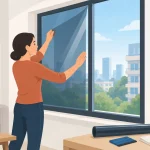

By 10 a.m., the conference room screen is washed out, desks near the windows are squint zones, and the blinds are half-closed again. That is usually the moment businesses start looking at office glare reduction window film – not as a cosmetic upgrade, but as a practical fix for daily discomfort, reduced screen visibility, and wasted daylight.
Glare sounds like a minor annoyance until it affects how people work. In offices with large glass panels, direct sun and reflected light can make monitors harder to read, create visual fatigue, and force staff to constantly adjust blinds or seating positions. Over time, that friction chips away at comfort and concentration. A well-chosen window film helps control that problem while preserving a brighter, more usable workspace.
What office glare reduction window film actually does
Office glare reduction window film is designed to reduce the intensity of visible light entering through glass. The goal is not to make the office dark. The goal is to soften harsh sunlight, cut reflective glare on screens, and create a more balanced indoor environment.
That distinction matters. Many people assume glare control means heavily tinted windows and dim interiors. In practice, the best films are selected based on how the office is used, how much sun the facade receives, and how much natural light the space still needs. A finance office full of dual monitors may need a different visible light transmission level than a showroom, clinic, or reception area.
Good glare reduction film often delivers more than one benefit at the same time. Along with cutting glare, it can reduce solar heat gain, filter UV rays, and ease the load on cooling systems. In warm, high-sun environments, those secondary gains are often just as valuable as the glare control itself.
Why glare is more than a comfort issue
In office settings, glare affects performance in small but persistent ways. Staff may angle screens awkwardly, close blinds completely, or avoid certain desks during peak sun hours. Meeting rooms can become harder to use for presentations. Front-facing customer areas may feel too bright and uncomfortable during parts of the day.
There is also a design trade-off. Offices are built with glass because natural light improves openness and reduces the boxed-in feeling of enclosed workplaces. But unmanaged sunlight creates its own problem. When the answer is always to shut blinds, you lose the very benefit the glazing was meant to provide.
This is where window film stands out. Instead of blocking the window altogether, it refines the light coming through it. That means better screen comfort without giving up the visual openness of the space.
How to choose the right office glare reduction window film
The right film depends on glass type, orientation, interior use, and performance goals. This is not a one-size-fits-all product category.
Start with the sun exposure
East- and west-facing glass usually creates the toughest glare conditions because of low-angle morning and afternoon sun. South-facing exposure can also be intense depending on geography and building design. If one side of the office gets hit harder than others, the film selection may need to vary by elevation rather than applying the same product everywhere.
Look at screen-heavy zones first
Open-plan workstations, boardrooms, training rooms, and reception counters often reveal the problem fastest. In these spaces, glare reduction should be balanced with enough visible light to keep the area pleasant. Film that is too dark may solve one issue while creating another, especially if the office relies on daylight to reduce artificial lighting.
Consider heat rejection alongside glare control
Glare and heat usually arrive together. If employees near windows complain that their area feels hotter than the rest of the office, a film with stronger solar control may be the smarter choice. This is especially relevant in tropical climates, where glass can drive both discomfort and cooling costs.
Match the film to the glass
Not every film is suitable for every pane. Existing glass type, pane size, and building specifications all matter. A proper assessment helps avoid compatibility issues and ensures the film performs as intended after installation.
Different film types and what they are good at
Not all office glare reduction films work the same way. Some prioritize visibility and a lighter interior appearance. Others offer stronger reflection or deeper tint for more aggressive sun control.
Neutral solar films are a common choice for professional offices because they cut glare without dramatically changing the building’s look. Reflective films can be highly effective for stronger sun exposure, though they create a more mirrored exterior appearance, which may or may not suit the property. Dual-reflective options can balance daytime performance with a more comfortable interior view. Ceramic and other premium spectrally selective films are often chosen when businesses want high heat and glare reduction with a clearer, less tinted finish.
The right answer depends on priorities. If appearance is critical, a lighter, more discreet film may make sense. If the issue is severe west-facing glare in work areas, performance usually needs to come first.
What businesses should realistically expect
A quality film can make a major difference, but it is worth being realistic. Window film reduces glare significantly. It does not erase every lighting challenge in every condition.
For example, if direct sun is hitting a monitor at a very sharp angle during a certain hour, some residual brightness may still be noticeable. Interior layout, monitor position, and furniture placement still play a role. In some offices, the best result comes from combining film with smart workstation orientation and selective blind use rather than expecting one product to solve everything on its own.
That said, the improvement is usually immediate and measurable. Screens become easier to read. Harsh hot spots are reduced. Meeting rooms stay more functional throughout the day. Employees stop treating certain desks like penalty boxes.
Why professional installation matters
Office film is only as good as the product selection and installation behind it. Commercial glass often involves larger panes, tighter visual standards, and more operational constraints than residential work. A rushed job can leave visible defects, inconsistent edges, or performance that falls short of expectations.
Professional consultation matters because film must be selected for both the building and the business use case. Professional installation matters because appearance, adhesion, and long-term durability all depend on precision. For offices, scheduling matters too. Work often needs to be completed with minimal disruption to staff and customer traffic.
This is where an experienced specialist adds value. Companies like ShieldShade International work as both advisor and installer, which helps businesses avoid mismatched products and get a cleaner result from the start.
Common questions office managers ask
One of the first questions is whether glare reduction film will make the office too dark. Sometimes it can, if the film is chosen purely on tint level instead of actual performance. A well-specified film should reduce harsh brightness while maintaining a comfortable level of daylight.
Another concern is whether employees will still be able to see out clearly. In many cases, yes. Modern films can improve comfort without making the space feel closed in. The level of clarity depends on the product selected.
Businesses also ask if window film is worth it compared with replacing glass. In many projects, film is the more cost-effective path because it upgrades the performance of existing glazing without the expense and disruption of full glass replacement.
A smart upgrade for everyday productivity
The strongest case for office glare reduction window film is simple: people work better when the space stops fighting them. Better screen visibility, less eye strain, more stable indoor comfort, and a cleaner use of natural light all contribute to a workplace that feels more functional from the moment the sun comes up.
If your office keeps returning to the same pattern of half-drawn blinds, overheated window zones, and hard-to-use meeting rooms, the glass may be the real issue. Upgrade your view today with a film solution chosen for how your office actually works, not just how it looks on paper.