A bright window can turn a premium TV into a mirror at exactly the wrong moment. If you want to stop glare on TV screen surfaces without keeping your living room permanently dark, the solution is usually not one dramatic change. It is a considered combination of screen placement, lighting control, and the right treatment for the glass that is causing the reflection.
For homeowners, condo residents, and office managers, glare is more than a minor viewing annoyance. It can cause eye strain, force you to increase screen brightness, and make a room feel less usable during the day. In sun-exposed spaces, especially those with large windows or strong afternoon light, managing glare at the source produces the most reliable result.
Why TV Glare Happens
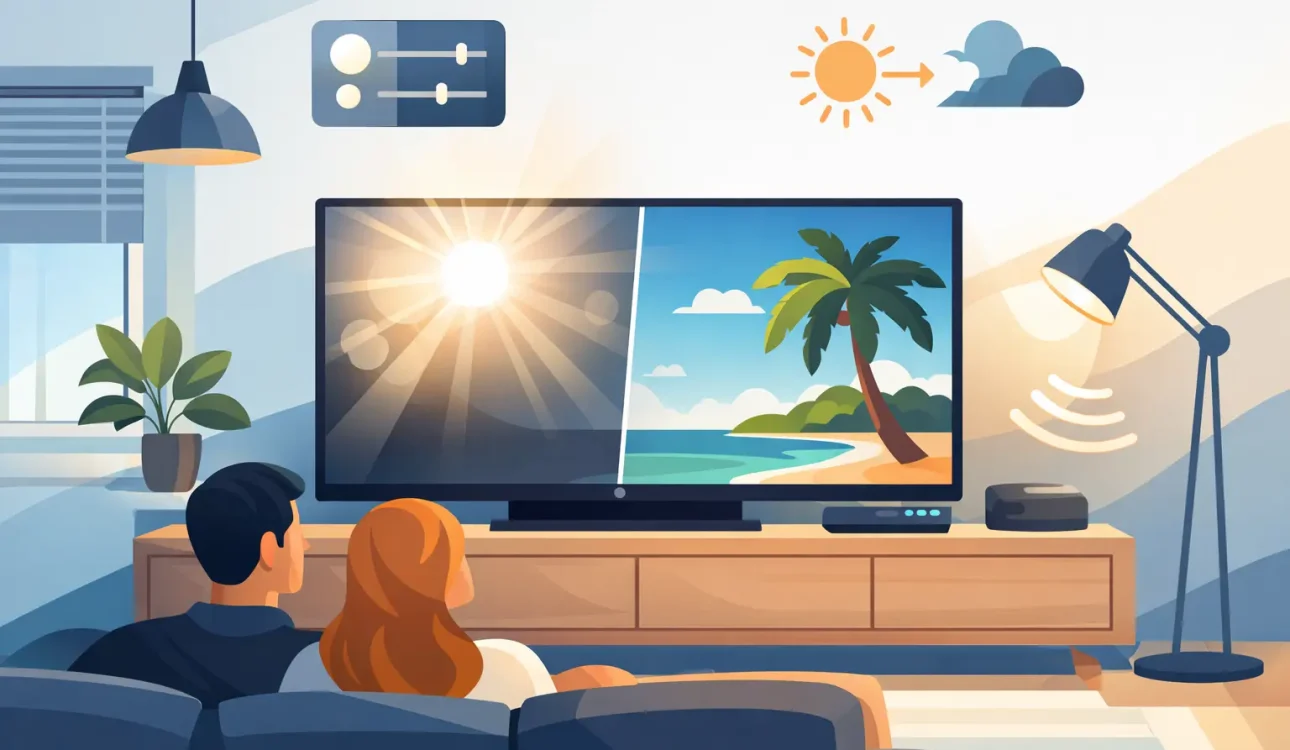
TV glare occurs when a bright light source reflects off the screen and reaches your eyes. Direct sunlight is the most obvious cause, but it is not the only one. A bright sky outside, white walls opposite the TV, glossy flooring, glass doors, and overhead lighting can all create reflections that reduce contrast and hide details on screen.
Modern TVs can be particularly sensitive because many models use glossy display panels to create deep blacks and vivid color. That visual quality looks excellent in a controlled environment, but it also makes reflected light more noticeable. Increasing the TV’s brightness may help slightly in a moderately lit room, yet it rarely solves direct reflections. It can also make viewing less comfortable and use more energy.
The first step is to identify the source. Turn the TV off during the brightest part of the day and look at what you can see reflected in the panel. If the window appears clearly, the glass is your priority. If you see ceiling fixtures, lamps, or bright interior surfaces, a different lighting adjustment may be more effective.
How to Stop Glare on TV Screen at the Source
When sunlight is the main problem, treating the window is generally more effective than trying to compensate at the TV. Window coverings, layout changes, and solar window film each have a role. The best choice depends on how much daylight, privacy, and outside visibility you want to retain.
Reposition the TV When the Room Allows It
The simplest improvement is to avoid placing the TV directly opposite a window. A screen positioned at a right angle to the main window often receives far fewer reflections. If the room layout permits, place the TV on a wall perpendicular to the strongest source of daylight rather than facing it.
This is not always practical in an apartment, a compact living room, or a meeting room where furniture placement is fixed. Even a small adjustment can help, though. Tilting the TV mount downward or slightly away from the window may redirect a reflection out of your normal line of sight. Test the viewing angle before committing to a fixed installation.
Control Direct Light With Window Coverings
Curtains, blinds, and shades offer an immediate way to block direct sun. Blackout curtains provide the strongest glare reduction, making them useful for home theaters, bedrooms, presentation rooms, and spaces where daytime viewing is a priority.
The trade-off is obvious: closed blackout coverings also remove the daylight and outdoor view that make a room feel open. Roller shades and light-filtering blinds provide a more flexible middle ground, but their effectiveness varies with fabric opacity, color, fit, and the angle of the sun. Gaps at the sides can still allow a sharp beam of light across the screen.
For rooms used throughout the day, many property owners want glare control without turning the space into a dark box. That is where solar window film becomes a practical long-term upgrade.
Use Solar Window Film to Reduce Harsh Sunlight
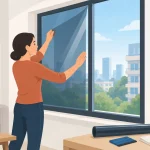
High-performance solar window film is applied directly to existing glass to reduce solar heat and visible glare before it enters the room. Unlike curtains, it works continuously and does not require you to close off the window whenever the sun moves across the sky.
A properly selected film can reduce harsh brightness while preserving useful natural light. Depending on the film type and glass condition, it may also help reject heat and block UV exposure, protecting furnishings, flooring, artwork, and electronics from fading. For sunny living rooms and offices, this means a more comfortable space even when the TV is not in use.
Film selection should be based on the direction of the windows, the size of the glass, the level of daylight you want to keep, and the appearance you prefer from both inside and outside. A darker film can provide stronger glare control, but it may make a naturally dim room feel too subdued. A lighter, spectrally selective solar film may be a better fit when maintaining brightness and visibility is the priority.
Professional consultation matters because not all films perform the same way, and not every film is suitable for every glass type. The right recommendation accounts for performance, aesthetics, glass compatibility, and the conditions of the room throughout the day.
Reduce Reflections From Inside the Room
Windows are often the main culprit, but interior reflections deserve attention too. Start by switching off or repositioning overhead lights that reflect directly on the screen. If you need task lighting, choose floor lamps or table lamps with shades that direct light away from the TV panel.
Avoid placing a bright lamp behind the viewer where it shines toward the screen. It may feel comfortable for the person sitting on the sofa, but it can create a persistent reflection. Indirect lighting behind the TV can be a better option. A soft bias light reduces the contrast between the bright screen and a dark wall, which can make evening viewing easier on the eyes without adding glare to the panel.
The surfaces around the TV also matter. Glossy white cabinets, glass coffee tables, polished stone, and high-sheen paint can bounce daylight back toward the display. You do not need to redesign the entire room, but adding a matte console, darker wall finish, or textured rug can reduce secondary reflections in a stubborn setup.
Choose TV Features Carefully
If you are replacing your TV, look beyond screen size and resolution. Anti-reflective coatings, panel type, and peak brightness all affect daytime performance. Some premium models handle bright rooms better than others, but no TV can fully overcome direct sunlight striking the screen.
Be cautious with stick-on anti-glare screen protectors. They may soften reflections, but they can also reduce sharpness, alter color, create bubbles, or make cleaning more difficult. They are usually a last resort rather than the first investment for a large television.
TV settings can help once the room itself is under control. Use a brighter picture mode for daytime viewing if necessary, then switch to a more accurate or comfortable mode at night. Disable aggressive energy-saving features if they make the screen too dim in a bright room. These adjustments refine the experience, but they should not replace proper daylight management.
A Better Approach for Living Rooms and Offices
The most successful glare-control plans start with how the space is actually used. A family room may need clear daytime viewing while keeping the windows open and bright. A conference room may need better screen visibility for presentations without sacrificing privacy. A bedroom may prioritize blackout performance for both TV viewing and sleep.
For these spaces, solar film can be paired with shades rather than treated as an either-or choice. The film manages daily brightness, heat, and UV exposure, while the shade provides extra control during peak sun or movie time. This layered approach gives you flexibility without relying on closed curtains every afternoon.
Installation quality is just as important as the product itself. A clean, precise installation helps the film perform consistently and preserves the finished appearance of the glass. It also ensures that edges, seams, and coverage are handled correctly, particularly on large windows and glass doors where uneven application is highly visible.
A room should not have to choose between natural light and a watchable screen. Start by identifying the direction and intensity of the reflection, then address the glass, layout, and lighting in that order. With the right window solution, you can keep the view, reduce the heat, and enjoy your TV whenever you want.