A west-facing living room can feel comfortable at breakfast and punishing by midafternoon. The glass may look perfectly clear, yet it can admit intense solar heat, eye-straining glare, and ultraviolet exposure that gradually fades flooring, curtains, and furniture. Residential solar film is a practical way to improve that glass without replacing windows or starting a major renovation.
For homeowners in sunny, dense urban environments, the goal is rarely to make every window dark. It is to keep rooms usable, reduce reliance on air conditioning, and preserve the daylight that makes a home feel open. The right film can achieve that balance, but the right choice depends on the window, sun direction, privacy needs, and the type of glass already installed.
What Residential Solar Film Changes
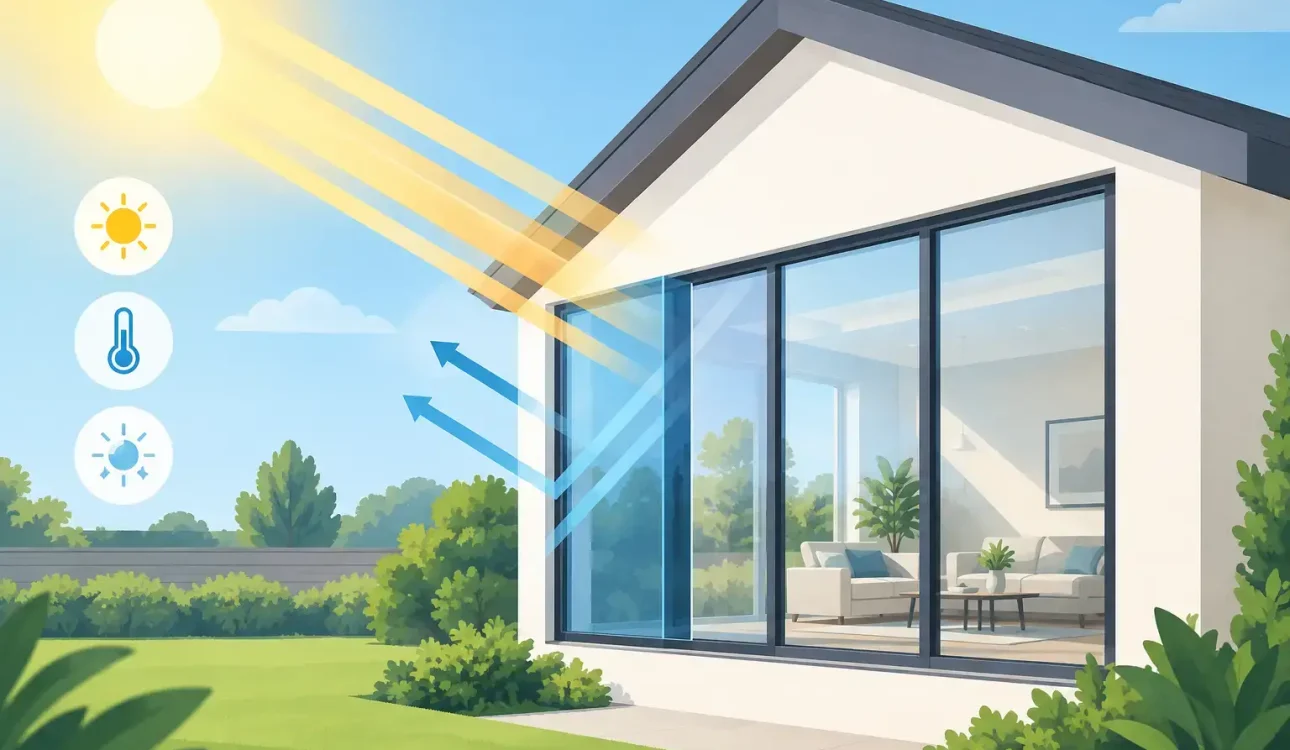
Solar window film is a thin, professionally applied layer designed to manage the sun before its energy enters the room. Depending on the product selected, it can reject a substantial portion of solar heat, reduce visible glare, filter ultraviolet rays, and improve daytime privacy.
The difference is most noticeable near large windows, sliding doors, home offices, bedrooms, and areas exposed to direct afternoon sun. Instead of closing heavy curtains every day, homeowners can keep a clearer outward view while making the space more comfortable.
It is also a more targeted upgrade than changing an entire cooling system. A properly selected film works at the source of the problem: the glass. That makes it especially valuable when a room is hot only during certain hours or when one side of a home receives much stronger sun than the other.
Heat Rejection Is More Than a Marketing Number
When comparing films, homeowners often focus on a single heat-rejection percentage. That figure matters, but it does not tell the complete story. Solar performance is typically influenced by visible light transmission, infrared rejection, total solar energy rejected, glass type, window orientation, and the amount of shade outside the home.
A high-performance film may reduce heat while remaining relatively light in appearance. This is useful for living rooms and kitchens where daylight is welcome. A darker film may reduce glare more aggressively, but it can also change the room’s appearance and reduce natural light. Neither option is automatically better. Performance should be matched to the room’s actual use.
Glare and UV Protection Matter Every Day
Glare is not just an inconvenience when watching television. It affects screen visibility, reading comfort, video calls, and the way a room feels during peak sunlight. Solar film softens harsh brightness so the home remains functional without forcing occupants to keep blinds closed.
Ultraviolet protection is another important benefit. While sunlight can still brighten a room, quality film helps reduce the UV exposure that contributes to fading and material deterioration. It is a sensible protective measure for hardwood floors, upholstery, rugs, artwork, and built-in cabinetry positioned near windows.
Choosing Residential Solar Film by Room and Exposure
The best film for one room may be the wrong choice for another. A thoughtful recommendation starts with how sunlight moves across the home, not simply with the darkest product on a sample board.
East-facing windows tend to receive strong morning sun. West-facing glass usually creates the most difficult afternoon heat and glare, particularly in living areas and bedrooms. South-facing windows can receive extended exposure, while north-facing windows may need little heat control but could still benefit from privacy or UV reduction.
A home office is a good example. If a desk faces a bright window, moderate solar control can cut screen glare without making the room feel enclosed. In a media room with persistent afternoon glare, a darker film may be appropriate. For bedrooms in close proximity to neighboring buildings, a combination of solar control and daytime privacy may offer the best result.
Consider Daylight, Privacy, and Your Exterior View
Many homeowners hesitate because they worry film will make a room look dark or reflective. That can happen with certain products, but modern options provide a much broader range of finishes. Light neutral films are designed to preserve a more natural view, while reflective films can provide stronger daytime privacy and a distinct exterior appearance.
Daytime privacy has limits. One-way reflective film works when the outside is brighter than the interior. At night, once lights are on indoors, the effect reverses and curtains or blinds are still needed for privacy. This is an important expectation to set before installation.
If privacy is the main concern in bathrooms, entry sidelights, or windows facing a nearby property, frosted or decorative film may be more suitable than solar film. Each product category solves a different problem. Combining them strategically can create a more comfortable and private home without sacrificing design.
Film Types and Their Trade-Offs
Not all residential films perform or look alike. A quality consultation should explain the differences clearly rather than treating all window film as interchangeable.
Dyed films are often selected for glare reduction and a darker tinted appearance. They can be cost-effective, but performance and long-term color stability vary by grade. Metallized and reflective films generally provide stronger solar control and daytime privacy, although their appearance may not suit every home or community guideline.
Ceramic and spectrally selective films are popular for homeowners who want high heat rejection with lighter, more neutral glass. These premium options can reduce solar load while preserving visibility and daylight. They are particularly useful where a dark tint would compromise the room’s design or view.
The right selection depends on priorities. If the room overheats severely, maximum solar control may be worth a slightly more visible tint. If preserving a clear exterior view matters most, a lighter premium film may be the better investment. Price should be considered alongside heat performance, warranty coverage, expected lifespan, and installation quality.
Why Glass Compatibility and Installation Matter
Window film should never be selected by appearance alone. Different glass constructions react differently to absorbed solar energy. Tempered glass, laminated glass, double-pane insulated units, low-emissivity glass, and older single-pane windows may have different film compatibility requirements.
Applying an unsuitable film can increase thermal stress on certain glass types. A professional installer evaluates the glass, its condition, framing, existing seals, and exposure before recommending a product. This technical step protects the homeowner from choosing a film that looks right on a sample but is not appropriate for the window.
Precision installation matters just as much. Clean preparation, accurate cutting, proper edge finishing, and careful curing affect both appearance and durability. Small issues such as trapped contamination, uneven edges, or poor alignment become far more visible once sunlight hits the glass.
After installation, a brief curing period is normal. Depending on weather and film type, minor haziness or water pockets may appear while the moisture evaporates. Homeowners should follow the installer’s care instructions and avoid aggressive cleaning products. A soft cloth and non-abrasive cleaner are generally the safer approach.
Setting Realistic Expectations
Residential solar film can make a meaningful improvement, but it is not a substitute for every heat-control measure. If a room has an uninsulated roof, wide-open doors, or direct sun entering through multiple large glass panels, film should be part of a broader comfort plan. Exterior shading, curtains, insulation, and efficient air conditioning may still play a role.
Film also does not make glass shatterproof unless a safety or security-specific product is installed. Solar film is engineered primarily for heat, glare, UV, and appearance. Homeowners who need added glass retention or impact resistance should ask about safety film options separately.
The strongest results come from being specific about the problem. Is the room hot, too bright, exposed to neighbors, or all three? Is maintaining a clear view essential? Are there building rules governing reflective finishes? Clear answers lead to a film recommendation that performs well long after installation day.
A Better Window Upgrade Starts With the Right Questions
Before choosing a shade, stand in the room during the time it feels most uncomfortable. Notice where the sun falls, whether glare affects screens, how much privacy is needed, and whether you are willing to trade some daylight for stronger heat control. Those details are more valuable than choosing a film based on a photo alone.
A professionally selected residential solar film turns existing glass into a more useful part of the home: cooler when the sun is strongest, easier on the eyes, and better suited to the way each room is actually lived in. Upgrade your view with a solution chosen for performance, not guesswork.