A plain sheet of glass can make a room feel exposed, harsh, or unfinished. The right decorative window film ideas solve all three at once – adding privacy, softening light, and giving windows, doors, and partitions a more intentional look without replacing the glass.
For homeowners and businesses, that matters more than people expect. In compact urban settings, windows often sit close to neighbors, corridors, roads, or shared spaces. You want daylight, but not full visibility. You want style, but not a renovation project. Decorative film sits in that sweet spot between design upgrade and practical fix.
Why decorative window film makes sense
Decorative film is often treated like a purely visual product, but the best results come from choosing it as both a design and functional solution. It can define a room, create privacy zones, reduce visual clutter, and make older glass look updated. In offices, it can also make meeting rooms and partitions feel more polished. In homes, it can turn an overly exposed bathroom window or entry panel into something that feels private and finished.
That said, not every film does the same job. Some prioritize privacy. Others are mainly decorative. Some diffuse light beautifully but do little for heat reduction. If sun control is a major concern, you may need to pair appearance with performance rather than choosing on looks alone. That is where experience matters, especially in hot, high-glare climates where glass treatment needs to do more than look good.
Decorative window film ideas for different spaces
1. Frosted film for bathrooms and street-facing windows
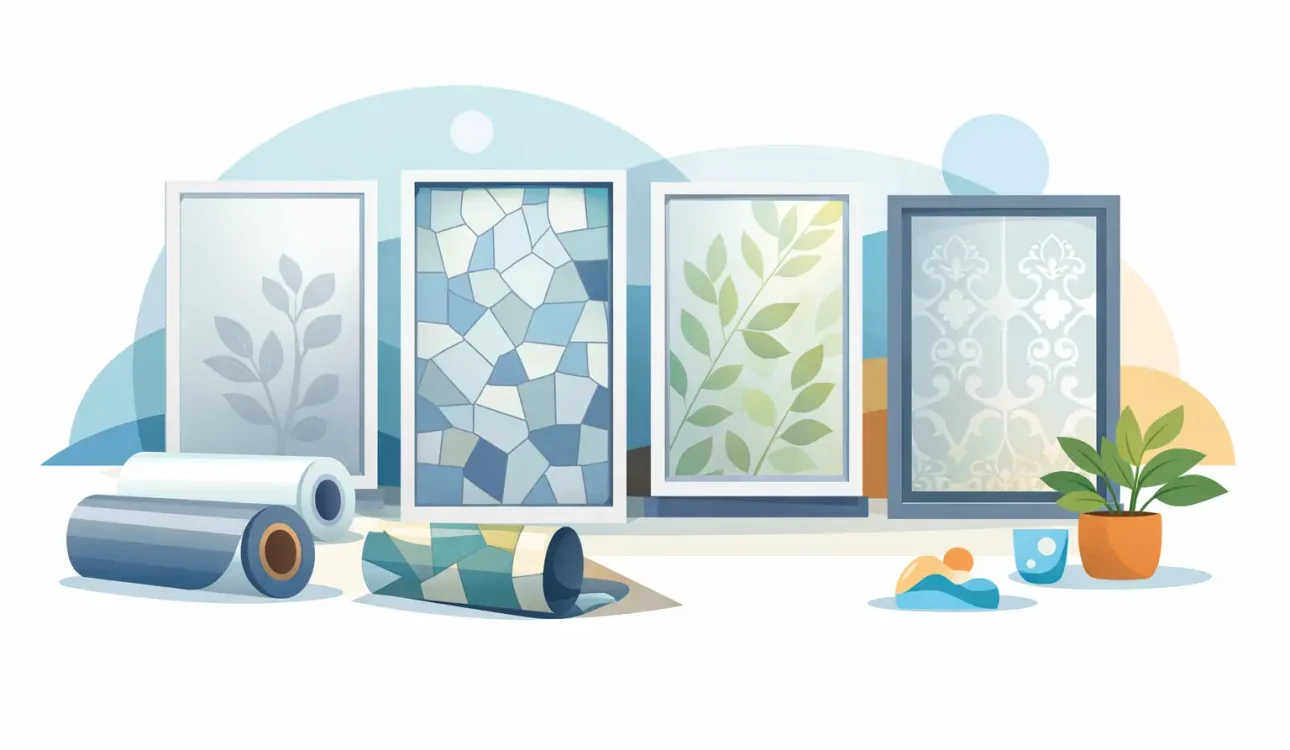
Frosted film remains one of the most practical decorative window film ideas because it works in almost any property type. It gives a clean, modern finish and blocks direct views while still allowing light through. For bathrooms, stairwell windows, and front door glass panels, it is a reliable choice that does not feel trendy or overdone.
The main trade-off is that standard frosted film is more about privacy than personality. If you want a stronger design statement, you may need a patterned or textured version instead of a plain matte finish.
2. Gradient film for a softer privacy effect
Gradient film fades from opaque to clear, usually from bottom to top or across the panel. This works especially well in condos, offices, and modern homes where full frosting can feel too closed off. You still get privacy where sightlines matter, but the room keeps a more open feel.
This is a strong option for meeting rooms, study areas, or windows facing nearby buildings. It looks more refined than a fully blocked panel, though placement matters. A poorly aligned gradient can look awkward, so measurements and installation quality make a real difference.
3. Geometric patterns for contemporary interiors
If your space already leans modern, geometric films can add structure without making the glass too busy. Repeating lines, grids, and angular motifs work well on office partitions, shower screens, and sidelights near entry doors. They give plain glass a stronger architectural feel.
The key is restraint. Bold geometry looks sharp in clean, minimal spaces, but it can compete with patterned flooring, heavy curtains, or highly detailed furniture. In smaller rooms, a subtle pattern usually ages better.
4. Reeded or fluted glass-look film
Reeded glass has become popular because it offers privacy with texture and depth. Film versions recreate that look without the cost of replacing the glass itself. This is one of the smartest decorative window film ideas for homeowners who want a designer finish on a practical budget.
It works well on kitchen doors, bathroom panels, home office dividers, and cabinet glass. The visual texture also helps hide minor imperfections behind the glass, which is useful in utility areas or storage zones.
Decorative window film ideas that improve privacy without making rooms feel dark
5. Sandblasted-style film for office partitions
For businesses, sandblasted-look film is a dependable choice. It gives glass partitions and conference rooms a professional finish while keeping the space bright. This style suits reception areas, clinics, studios, and offices that want privacy without a heavy or closed-in appearance.
It also allows for custom branding or cut patterns if needed. A plain application looks clean and timeless, while a customized layout can make a workspace feel more established. The right choice depends on whether the priority is subtlety or brand presence.
6. Etched pattern film for entryways and interior doors
Etched designs can make a simple glass panel look far more intentional. Floral motifs, linear borders, and custom-cut patterns are often used on front entry glass, pantry doors, and internal partitions where privacy and style both matter.
This is one of the more decorative options, so it needs to match the surrounding interior. In traditional homes, etched patterns can feel elegant. In ultra-minimal spaces, they may feel too ornate unless the design is very restrained.
7. Partial coverage film for targeted privacy
Not every window needs full coverage. Sometimes the smartest solution is applying film only to the lower half or specific section of the glass. This is especially useful for windows facing walkways, neighboring units, or common areas where the problem is direct line-of-sight rather than full exposure.
Partial coverage keeps more openness and can look cleaner than curtains or blinds. It also gives you flexibility in rooms where you want privacy while seated but still want an outside view when standing.
8. Decorative stripes for a clean, commercial look
Striped film is common in offices for good reason. It breaks up transparency, adds a safety marker on large glass panels, and keeps interiors looking sharp. Horizontal bands are especially useful on meeting rooms and glass doors.
For home use, stripes can also work in study rooms or enclosed kitchens with glass dividers. The look is more structured and less soft than frosted film, so it suits contemporary interiors better than classic ones.
Choosing decorative window film ideas based on room function
The best decorative film is not always the one with the nicest sample. It is the one that solves the actual problem in that part of the property.
In bathrooms, privacy usually comes first. Frosted, textured, or reeded looks tend to perform best. In living rooms, the goal is often to soften exposure without blocking too much light, so gradient or partial coverage can be a better fit. In offices, the film may need to support privacy, branding, and visual consistency across multiple rooms.
Sun exposure should also be part of the decision. Decorative films can change appearance and privacy, but not all are built for strong solar performance. If the glass takes heavy afternoon sun, it is worth asking whether aesthetics alone are enough or whether you need a film solution that also addresses glare and indoor heat.
9. Nature-inspired designs for softer spaces
Leaf motifs, organic lines, and subtle botanical patterns can work well in bedrooms, wellness spaces, salons, and treatment rooms. They create privacy without the harder visual feel of stripes or grids.
This approach is best when the room already has a softer design language. In a highly corporate office or sharply modern condo, nature-inspired patterns can feel out of place unless used sparingly.
10. Opaque film for service areas and storage glass
Sometimes the goal is simple: hide what is behind the glass. Opaque decorative film is useful for utility rooms, storage sections, back-of-house office areas, and cabinet panels where visibility adds no value.
It gives a cleaner overall appearance and helps reduce visual clutter. The downside is obvious – you lose transparency completely. That is fine for concealment, but less ideal if the space depends on shared light between rooms.
11. Custom-cut film for branded commercial spaces
Retail shops, clinics, and offices often benefit from custom decorative film that includes logos, privacy bands, or signature patterns. This can make a glass-heavy space look more polished while still serving a practical purpose.
Used well, it strengthens first impressions. Used too heavily, it can make the space feel overdesigned. The design should support the environment, not dominate it.
12. Minimal matte film for a timeless upgrade
Some of the best decorative window film ideas are the simplest. A clean matte film with no obvious pattern works across almost any interior style. It gives glass a more refined look, creates privacy, and does not date quickly.
This is often the safest choice for homeowners who want a long-term upgrade rather than a strong design feature. It also works well when different rooms need a consistent finish.
What to look for before installing decorative film
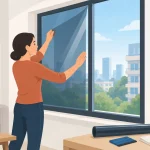
Good decorative film starts with good planning. Think about privacy during the day and at night, how much natural light the room needs, and whether the glass gets intense sun. Also consider how the film will look from both sides. A design that looks attractive indoors may feel too busy from the exterior.
Installation quality matters just as much as product selection. Misaligned patterns, trapped dust, and uneven edges can ruin the result, especially on decorative films where detail is visible. That is why many property owners prefer a specialist who can recommend the right material, prepare the glass properly, and install it cleanly.
For homes and businesses dealing with privacy, glare, and design at the same time, working with an experienced supplier makes the decision easier. ShieldShade International has seen how the right film can change not just how glass looks, but how a space feels and functions day to day.
The best decorative film should do more than cover a window. It should make the room more comfortable, more private, and more considered every time the light comes in.