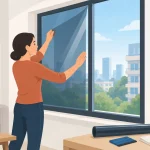

If your windows feel like a public display case during the day, one way reflective window film is usually the first product people ask about. The appeal is easy to understand – you want privacy without blocking natural light, and you want better heat control without replacing the glass. In the right setting, reflective film does exactly that. But it only works well when expectations match how the product actually behaves.
For homes, condos, HDB units, offices, and street-facing shops, that distinction matters. Many buyers assume “one way” means complete privacy at all hours. It does not. Reflective film is highly effective in daytime conditions, but its performance depends on lighting, glass type, orientation, and what is happening inside the room. Choosing well starts with understanding those trade-offs.
What one way reflective window film actually does
One way reflective window film is a metallized or reflective solar film applied to existing glass. Its outer-facing surface creates a mirror-like appearance under stronger exterior light, which helps limit visibility from the brighter side looking in. At the same time, it reduces solar heat gain, cuts glare, and blocks a large portion of UV rays.
That combination is why it remains popular in warm, high-sun environments. It is not only a privacy product. It is also a performance upgrade for windows that bring in too much heat or harsh daylight. In practical terms, that can mean a cooler living room in the afternoon, less eye strain near office windows, and more comfort in rooms that stay bright for long hours.
The reflective finish varies by film grade. Some options have a strong mirrored appearance and high solar rejection. Others are more subtle and designed to balance appearance with moderate privacy and light transmission. The right choice depends on whether your priority is privacy, cooling performance, or preserving a cleaner glass look from outside.
How one way reflective window film works
The “one way” effect comes from a simple principle: the brighter side of the glass sees the darker side less clearly. During the day, outdoor light is typically much stronger than indoor light. That makes the exterior side more reflective and the interior side more transparent to occupants looking out.
This is why daytime privacy is the main selling point. If you are inside a room with normal indoor lighting and strong daylight outside, people outdoors will mostly see the reflective surface instead of the room behind it. You still keep outward visibility, though the view may be slightly tinted depending on the film selected.
At night, the condition reverses. If your interior lights are on and it is dark outside, the mirror effect weakens or disappears from the exterior view. People outside may then see into the room more easily. The film has not failed – the lighting balance has changed. For customers who need round-the-clock privacy, a reflective film may need to be paired with curtains, blinds, or a different privacy solution altogether.
Where it performs best
Daytime-facing windows with high sun exposure are usually the best candidates for one way reflective window film. Living rooms with large glass panels, bedroom windows facing nearby buildings, office meeting rooms, and storefront glazing can all benefit when privacy and heat reduction are both priorities.
It performs especially well where the exterior is consistently brighter than the interior for long periods. South- and west-facing windows often see the clearest benefit because they bring in strong sun, noticeable glare, and added heat load. In those areas, reflective film can improve comfort while also reducing visibility into the space.
Commercial spaces often gain another advantage: a more uniform exterior appearance. Reflective film can give glass a sharper, more finished look while helping tenants manage glare on screens and reduce pressure on air conditioning systems. For homes, the decision is often more personal. Some owners like the modern mirrored finish. Others prefer a softer look and may choose a lower-reflectivity film instead.
What to expect for heat, glare, and UV reduction
Reflective film is often chosen for privacy, but heat rejection is where it delivers strong day-to-day value. Quality films can reject a significant portion of solar energy before it enters the room, helping windows feel less punishing during peak sun hours. That does not turn every room cold, and it does not replace insulation or air conditioning, but it can noticeably reduce heat buildup.
Glare reduction is another major benefit. If a room becomes uncomfortable because of harsh sunlight on TVs, laptops, or polished floors, reflective film can make that space easier to use throughout the day. The effect is practical rather than dramatic – less squinting, fewer hot spots, and better visual comfort.
UV rejection also matters more than many buyers realize. A strong film helps reduce fading on flooring, curtains, furniture, and merchandise. It is a smart layer of protection for interiors that get regular sun exposure, especially in rooms with expensive finishes or display areas.
The trade-offs many buyers miss
The biggest mistake is buying based on the words “one way” alone. Privacy is not absolute, and visibility changes with lighting conditions. If your room stays brightly lit at night and faces a dark outdoor area, the film will not give you the same shielding it provides during the day.
There is also an appearance trade-off. Higher reflectivity usually improves daytime privacy and solar rejection, but it also creates a more mirrored exterior. Some property owners want that exact look. Others prefer windows to remain visually neutral. In residential settings, building guidelines or aesthetic preferences can influence what is appropriate.
Interior brightness changes as well. Reflective film reduces the amount of light entering the room. That is often a benefit in sun-heavy spaces, but in already dim areas, a darker film may feel too heavy. This is why film selection should be based on the actual room, not just a product label.
Is it right for homes or offices?
For homes, one way reflective window film makes the most sense when daytime privacy and cooling are both high priorities. Ground-floor windows, units facing neighboring blocks, and large living area windows are common applications. It is a practical upgrade when residents want more comfort and privacy without major renovation work.
For offices, it can solve multiple issues at once. Staff get better screen comfort, meeting rooms gain daytime discretion, and the building envelope performs better against heat and glare. In customer-facing commercial spaces, the right reflective grade can also create a cleaner, more professional glass appearance.
That said, every space has a different requirement. A bedroom that needs privacy after dark may need a different treatment than a daytime office. A decorative frosted film may suit certain glass panels better. A solar film with lower reflectivity may be the better compromise if appearance is the top concern.
Why installation quality matters
Even the best film underperforms if it is poorly matched or badly installed. Glass type, panel size, sun direction, existing coatings, and room usage all affect the result. Professional assessment helps avoid common issues such as choosing a film that is too dark, too reflective, or unsuitable for the glass.
Installation quality also affects clarity and durability. Clean edges, proper surface preparation, and precise application all matter if you want the film to look sharp and last well. In high-heat climates, product quality and installation standards become even more important because the film needs to hold up under constant solar stress.
This is where an experienced specialist adds real value. A reliable supplier does more than offer film options. They help you compare performance levels, explain realistic privacy outcomes, and recommend a fit for your space rather than a generic best-seller. That is how companies like ShieldShade International set the standard for quality and innovation – by combining product knowledge with installation precision and practical advice.
Choosing with the right expectation
One way reflective window film is a smart solution when you want more than just privacy. It can reduce heat, soften glare, protect interiors, and improve daytime comfort without replacing your windows. The key is to choose it for what it does well, not for what marketing phrases suggest.
If your main concern is daytime privacy with strong sun control, it is often an excellent fit. If you need privacy day and night, or want minimal exterior reflectivity, another film type may serve you better. The best results come from matching the film to the room, the glass, and the way you actually use the space. Upgrade your view with a solution that works in real conditions, not just on paper.