
Step into a sun-facing room at noon and you can feel the problem before you even see it – harsh glare on the screen, heat building near the glass, and furniture slowly fading over time. That is usually when people start asking, how does solar window film work, and whether it can really make a noticeable difference without replacing the glass itself. In most cases, it can. The right film changes how sunlight interacts with your windows, helping indoor spaces stay cooler, more comfortable, and easier to live or work in.
How does solar window film work on existing glass?
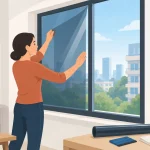
Solar window film is a thin, multi-layer material applied directly to the interior side of existing glass. Its job is to manage solar energy before that energy turns into unwanted indoor heat and glare. Depending on the film type, it can reflect, absorb, and filter different parts of the sun’s energy, including visible light, infrared heat, and ultraviolet rays.
That matters because sunlight is not just brightness. It carries heat-producing infrared radiation and UV rays that can damage furnishings, flooring, artwork, and interior finishes. A well-engineered solar film is designed to reduce those effects while still allowing useful daylight into the room. You keep the view, but you improve the performance of the glass.
In practical terms, the film acts like a performance upgrade for your windows. Instead of replacing the entire glazing system, you enhance what is already there. For homes, that often means less afternoon heat and less strain on air conditioning. For offices and retail spaces, it can mean better comfort near windows and fewer hot spots across the room.
The science behind solar window film
To understand how solar window film works, it helps to look at what happens when sunlight hits untreated glass. Standard glass lets in a significant amount of solar energy. Some of that light passes straight through, some is absorbed by the glass, and some is reflected. The portion that enters the room can raise indoor temperatures quickly, especially on large windows exposed to strong sun.
Solar film changes that equation using specialized layers. These layers may include polyester, adhesives, UV inhibitors, scratch-resistant coatings, and metallic, ceramic, or nano-technology-based materials. Each layer has a purpose. One may improve clarity, another may block UV, and another may target heat rejection.
There are three main ways the film manages solar energy. First, it can reflect part of the sun’s energy away from the glass. Reflective films are especially effective for this, though they can create a more mirrored appearance. Second, it can absorb solar energy within the film itself and reduce how much enters the space. Third, it can selectively filter certain wavelengths, especially infrared and UV, while maintaining visible light transmission.
This selective control is what separates basic tint from high-performance solar film. Better films are engineered to reject a large percentage of heat without making a room feel too dark. That balance is important in bright climates where reducing solar gain matters, but daylight is still valuable.
Why infrared and UV control matter
When customers think about heat, they usually notice brightness first. But visible light is only part of the issue. Much of the uncomfortable heat you feel near a window comes from infrared energy. A quality solar film targets that heat more effectively than ordinary dark tint.
UV control is just as important, even though you cannot see it. UV rays contribute to fading and material breakdown over time. Many premium solar films block up to 99 percent of UV radiation, which helps protect interiors and makes the space easier on the eyes.
Why some films look darker than others
Darker does not always mean better heat rejection. Some older or lower-grade films rely heavily on visible tint to reduce solar gain. Newer technologies, especially ceramic and spectrally selective films, can deliver strong heat rejection while keeping a relatively clear appearance.
That is why product selection should be based on performance data, not just how the film looks on a sample piece of glass. The best option depends on your glass type, sun exposure, privacy goals, and whether you want a subtle finish or a more reflective look.
What benefits can you realistically expect?
The biggest benefit is comfort. Rooms with direct sun exposure often feel uneven, with certain areas heating up much faster than others. Solar film helps reduce that heat buildup, making window-side spaces more usable throughout the day.
Glare reduction is another major advantage. If you work near windows, watch television in a bright living room, or manage a storefront with strong afternoon sun, glare can be just as frustrating as heat. Film softens that harsh light so screens are easier to view and the room feels more balanced.
There is also an energy-efficiency angle. By reducing solar heat gain, window film can help lower the cooling load on your air-conditioning system. The exact savings depend on the building, window size, orientation, and existing insulation. It is not a magic fix for every energy problem, but it can be a smart and cost-effective improvement.
Interior protection is often the overlooked benefit. Upholstery, wood flooring, curtains, wall finishes, and merchandise near windows can all suffer from prolonged sun exposure. Solar film helps slow that fading process, which is especially useful in spaces with expensive finishes or display areas.
Where results can vary
Solar window film is highly effective, but performance is not one-size-fits-all. The outcome depends on several factors, including the type of glass already installed. Single-pane, double-pane, tempered, laminated, and low-E glass all respond differently. Using the wrong film on the wrong glass can affect performance and, in some cases, create thermal stress concerns.
Window orientation also matters. West-facing glass usually sees the harshest afternoon heat, while east-facing windows get stronger morning sun. South-facing and north-facing windows behave differently depending on the building and region. A film that performs well in one area of a property may not be the ideal choice for another.
Then there is the balance between heat control, daylight, and appearance. Some customers want the strongest possible heat rejection and are comfortable with a darker or more reflective finish. Others want a cleaner, more natural look with moderate solar control. Neither approach is wrong. The right decision depends on how you use the space.
How installation affects performance
Even the best solar film can underperform if it is poorly installed. Precision matters because film must be matched correctly to the glass, cut accurately, and applied cleanly to avoid contamination, bubbling, edge lift, or visual distortion.
Professional installation also matters for durability. A properly installed film should sit smoothly on the glass and cure as intended. That gives you better long-term clarity and more reliable performance. In residential settings, careful installation is especially important because living spaces demand both aesthetics and function. In commercial settings, consistency across large panels becomes just as critical.
This is where experience makes a real difference. An established specialist will not just offer a film. They will assess the window type, discuss your priorities, explain realistic performance levels, and recommend a solution that fits the space. That consultative approach is one reason property owners continue to work with experienced providers such as ShieldShade International when they want more than a basic tint job.
Is solar window film worth it?
If your goal is to reduce heat, glare, and UV exposure without replacing your windows, solar film is often one of the most practical upgrades available. It is faster, less disruptive, and generally more cost-effective than a full glass replacement. For many homes and commercial properties, that makes it an easy value proposition.
That said, it is worth being realistic. Film will improve window performance, but it will not turn poor insulation into high-performance glazing overnight. If a room has multiple heat issues, such as roof exposure, unsealed gaps, or weak ventilation, film should be part of the solution rather than the only solution.
The good news is that when film is selected properly, the improvement is usually felt quickly. Rooms become more comfortable. Bright areas become easier to use. Interiors stay better protected. And because the upgrade works with your existing glass, the process is straightforward compared with most renovation projects.
If you are evaluating options for your home, office, storefront, or apartment, the better question may not be whether solar window film works. It is how much comfort and protection you are leaving on the glass by waiting.