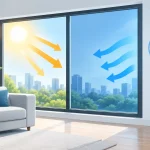
A bright window can make a room feel open, but direct sun can also turn a living room, bedroom, or office into the warmest part of the building. A solar film heat test helps show what a window film can do before it is installed: reduce the heat you feel near the glass, control harsh glare, and preserve a comfortable amount of daylight.
The test is useful, but only when you understand what it measures. A dramatic lamp demonstration can be a helpful starting point. It is not, by itself, a guarantee of how cool an entire room will feel at 3 p.m. on a cloudless day. The right solar film should be selected based on your glass type, window direction, room use, and the balance you want between heat control, privacy, and natural light.
What a solar film heat test is designed to show
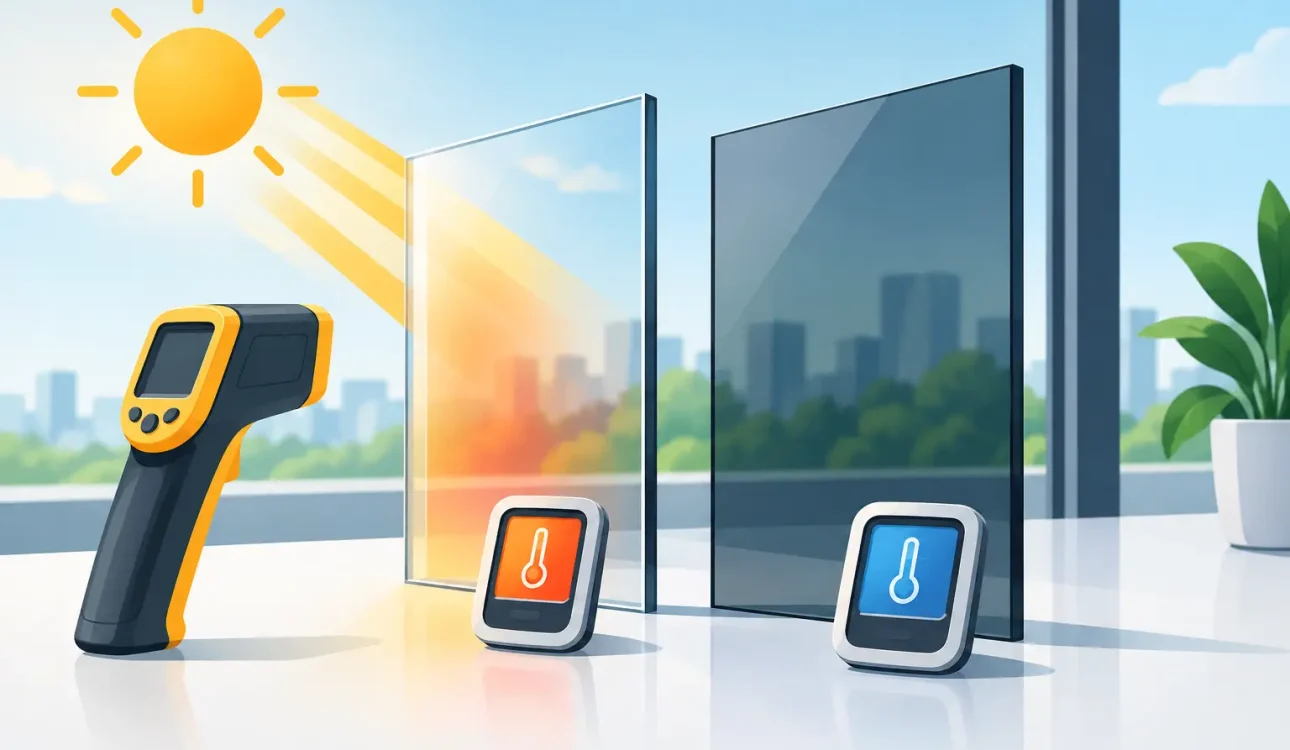
Most solar film heat demonstrations use a strong heat lamp that produces infrared energy. A piece of untreated glass and one or more film samples are placed between the lamp and a heat sensor or a person’s hand. The difference is usually immediate: the sample with higher heat rejection allows less radiant heat to pass through.
This matters because sunlight is not just visible brightness. Solar energy reaching a window includes visible light, ultraviolet radiation, and infrared energy. Infrared is closely associated with the heat you feel on your skin, furniture, and flooring when you sit near a sun-facing window.
A well-run test gives customers a practical comparison. You can see that two films with a similar appearance may perform very differently. One lightly tinted film may keep the room bright while rejecting a significant amount of solar heat. Another darker film may provide stronger glare reduction and daytime privacy but reduce visible light more noticeably.
What the test does not tell you on its own
Heat-lamp tests are compelling because they are simple. However, the lamp is a controlled source, while real-world solar heat gain changes throughout the day. Window size, glass thickness, outside shading, indoor ventilation, ceiling height, wall insulation, and air-conditioning use all affect the final comfort level.
The film is also only one part of the window system. Clear single-pane glass exposed to afternoon sun behaves differently from insulated glass, laminated glass, or glass already fitted with a low-emissivity coating. A film that performs exceptionally on one type of glass may require a different recommendation for another.
That is why product specifications should support the demonstration. Ask for the film’s total solar energy rejected, visible light transmission, glare reduction, UV rejection, and, where relevant, infrared rejection. These figures provide a more complete picture than appearance or a hand-held heat test alone.
Why infrared rejection is not the whole story
Infrared rejection is often highlighted because it produces an easy-to-feel difference during a solar film heat test. It is valuable, particularly for rooms that receive intense direct sun. Yet a film can have a strong infrared figure without necessarily delivering the highest overall solar heat rejection.
Total solar energy rejected, often called TSER, is generally the more useful measure when the goal is reducing heat entering through the window. It considers more of the sun’s energy, not only infrared wavelengths. For a west-facing office with broad glass panels, TSER can be especially relevant because the room may receive sustained afternoon exposure.
The best choice depends on the problem you are trying to solve. If glare on screens is the main issue, visible light transmission and glare reduction deserve equal attention. If a bedroom feels hot before bedtime, heat rejection may be the priority. If neighboring buildings look directly into your home, privacy requirements may influence the final film selection as much as solar performance.
How to compare solar film heat test results
When comparing samples, make sure the test conditions are consistent. The same lamp distance, glass setup, and measurement method should be used for every film. A sample placed closer to the lamp or on a different glass panel cannot provide a fair comparison.
Look at the results alongside the actual sample color. Films are available in clear, neutral, reflective, and darker shades. A nearly clear high-performance film can be an excellent option when you want to retain a natural view and abundant daylight. It may cost more than a conventional dyed film, but it can be the better fit for living areas, storefronts, or offices where a dark appearance is not desirable.
Reflective films can provide strong solar control and a distinctive exterior look. They are often considered for highly exposed windows, commercial spaces, and locations where daytime privacy is useful. The trade-off is that reflective films can alter the building’s appearance and generally provide less privacy after dark when interior lights are brighter than outside.
Darker films can reduce glare effectively and make a space feel calmer, particularly in media rooms, bedrooms, or work areas with direct sun. However, a darker shade is not automatically the highest-performing film. Modern ceramic and spectrally selective films can offer substantial heat rejection with a lighter, more neutral finish.
Match the film to the window, not the display
A heat test should lead to a site-specific discussion. Start by identifying when the heat is worst. East-facing windows usually receive strong morning sun, while west-facing windows often create the most uncomfortable afternoon heat. South-facing exposure can bring consistent light for much of the day, depending on the property and surrounding structures.
Next, consider how the room is used. A home office may need reduced glare without making video calls look dim. A nursery may need UV protection and cooler daytime conditions while retaining soft natural light. A retail space may prioritize customer comfort, display protection, and a polished storefront appearance.
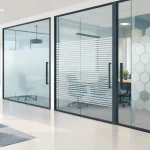
For apartments, condos, and dense urban homes, privacy is often part of the decision. Solar film can improve daytime privacy, but it should not be confused with a blackout solution. If complete visual privacy is needed at all hours, a frosted film, blackout film, or a combined window treatment may be more appropriate.
A note on UV protection and fading
Many quality window films block up to 99% of UV rays, helping protect furnishings, flooring, artwork, and merchandise. This is an important benefit, but fading is not caused by UV alone. Visible light and solar heat also contribute over time.
A film that balances UV rejection, visible light control, and solar heat reduction can provide better long-term protection for interiors. For rooms with valuable furniture or sun-sensitive displays, the goal should be reducing the full range of exposure rather than focusing on one specification.
Installation quality affects real performance
Even the highest-grade film cannot compensate for poor preparation or careless installation. Dust, trapped debris, uneven edges, or improper application can affect appearance and shorten the service life of the film. Certain glass types also require careful film selection to manage thermal stress and maintain manufacturer recommendations.
Professional assessment matters most for large windows, high-rise properties, older glass, double-pane units, and commercial façades. An experienced installer can inspect the glass, evaluate exposure, explain visual trade-offs, and recommend a film suited to the property rather than simply selecting the darkest sample.
At ShieldShade International, this approach begins with the real issue behind the heat complaint. Some customers need a light, premium solar film that maintains their view. Others need a more private, glare-controlled solution for a bedroom or office. The best outcome comes from matching tested performance to how the space is actually lived in or used.
Use the test as a decision tool, not a sales trick
A solar film heat test is most valuable when it makes the decision clearer. It should help you compare how films feel, then guide you toward the specifications and finish that fit your windows. If a sample looks impressive under a heat lamp but makes the room too dark, clashes with the exterior, or does not solve privacy needs, it is not the right answer.
Ask to see samples against your own glass whenever possible. Observe them in daylight, consider the view from inside and outside, and discuss how the film will perform after sunset. A quality window film upgrade should improve comfort without creating a new compromise you notice every day.
The right film does more than make a heat-lamp reading drop. It helps a sun-exposed room stay more comfortable, reduces glare where it matters, and lets you enjoy the windows you already have with greater confidence.