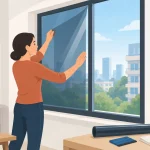
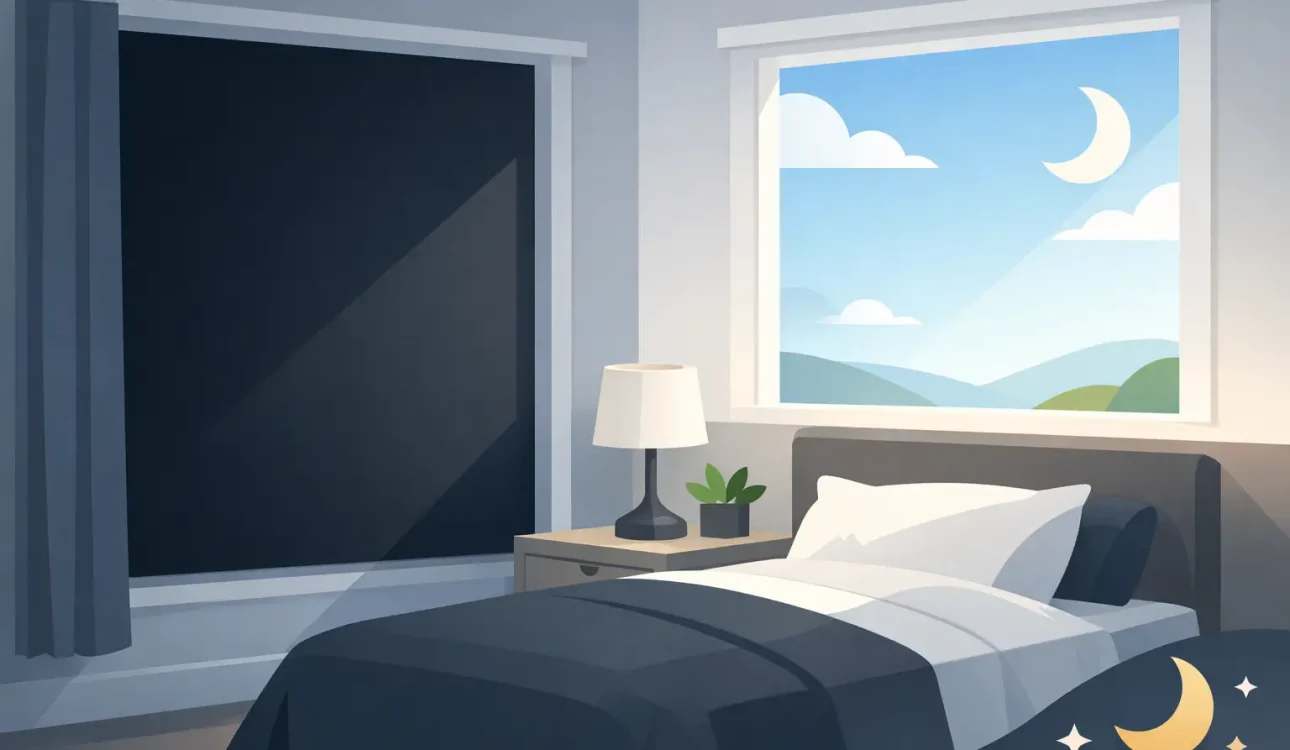
If early sunrise, nearby windows, or bright corridor lighting keep cutting into your sleep, blackout window film for bedroom spaces can be a practical fix without changing the glass. It is one of the simplest ways to block incoming light, add privacy, and make a room feel more controlled – especially in urban homes where buildings sit close together and outside lighting never really goes off.
For many homeowners, the real appeal is not just darkness. It is the ability to make a bedroom more restful without committing to a bigger renovation. A well-chosen film can help create a more private and comfortable sleeping space while keeping the window itself clean, modern, and easy to maintain.
What blackout window film for bedroom spaces actually does
Blackout film is designed to stop visible light from passing through the glass. Unlike solar film, which reduces glare and heat while still allowing some daylight in, blackout film is meant to shut light out almost completely. In a bedroom, that can make a noticeable difference for shift workers, light-sensitive sleepers, young children with early bedtimes, or anyone living near street lamps and neighboring units.
It also adds a strong privacy layer. When installed properly, blackout film prevents visibility through the glass from both sides. That matters in apartments, condos, and tightly spaced homes where windows often face another building directly.
There is also an aesthetic reason people choose it. Curtains can work, but they take up visual space, collect dust, and do not always block edge light well. Blackout film gives a cleaner look because the glass itself becomes the light-blocking surface.
When blackout film is the right choice
Blackout film is best when the goal is full light control, not a partial reduction. If your bedroom gets harsh morning sun and you want complete darkness after sunrise, blackout film is more effective than standard tinted or reflective film. It is also a strong option for rooms used by babies, night-shift workers, or anyone recovering from jet lag or irregular sleep patterns.
That said, it depends on how you use the room during the day. If the bedroom also functions as a study, reading room, or dressing area, total blackout on the main window may feel too restrictive. Some homeowners prefer to apply blackout film only to selected glass panels, sidelights, or lower sections, then combine it with curtains or blinds for flexibility.
This is where proper recommendation matters. The best solution is not always the darkest product. It is the product that matches how the room is actually used.
Blackout film vs. blackout curtains
This is one of the most common comparisons, and the answer is not one-size-fits-all. Blackout curtains are familiar, widely available, and easy to replace. They can be a good option if you want to open and close them throughout the day. But their performance depends on fabric quality, track placement, and whether gaps around the edges let light spill in.
Blackout film works differently because it blocks light at the glass itself. That means no fluttering fabric, no stacking space, and no need for constant adjustment. It also gives you privacy all the time, not just when the curtains are drawn.
The trade-off is flexibility. Once blackout film is installed, that pane stays dark until the film is removed. If you still want daylight at certain hours, curtains or blinds may need to work alongside the film, or a different type of film may be more suitable.
Does blackout window film help with heat?
Homeowners often assume blackout film automatically solves every window problem, but performance should be looked at separately. Its primary job is light blocking and privacy. Depending on the product, it may also reduce some heat gain, but not every blackout film is engineered as a high-performance solar control film.
In hot, sun-exposed bedrooms, especially in tropical or year-round warm climates, heat rejection still matters. A room can be dark and still feel warm if the wrong film is chosen. That is why experienced suppliers assess more than visible light alone. Glass direction, window size, room usage, and existing sun exposure all affect whether you need pure blackout film or a more specialized layered solution.
At ShieldShade International, this consultative approach is what helps customers avoid choosing based on appearance alone. A bedroom window should not only look darker. It should support comfort in a way that fits the space.
Where blackout film works best in a bedroom
Not every bedroom window needs the same treatment. In some homes, blackout film makes the most sense on windows exposed to corridor lights, neighboring towers, or direct morning sun. In others, it is more useful on glass doors, side panels, or interior glass partitions that let light travel from another room.
This is especially relevant in modern apartments where bedrooms may include glass elements beyond the main exterior window. If sleep disruption comes from indoor lighting rather than sunlight, applying blackout film to internal glass can sometimes solve the issue more effectively than treating the outer window.
Bedrooms with media use also benefit. If you watch TV in bed or use the room for daytime rest, reducing incoming light can improve screen visibility and make the space feel calmer.
What to consider before installation
The first factor is how permanent you want the solution to be. Blackout film is a more committed upgrade than hanging curtains, so it should be chosen with daily habits in mind. If you enjoy waking up to natural light on weekends but need darkness only some nights, a fully blacked-out window may not suit you long term.
The second factor is glass condition. Older glass, specialty glass, and some coated surfaces may require a more careful product match. Professional assessment helps reduce the risk of poor adhesion, bubbling, or performance issues over time.
The third is finish and appearance. Blackout films are available in different looks, from solid dark finishes to cleaner neutral tones. The visual result from both inside and outside the home matters, especially in condos and properties where a polished exterior appearance is important.
Installation quality is just as important as film quality. A poorly installed film can peel, trap dust, show edge lift, or create an uneven finish that becomes more obvious under daylight. Precision installation delivers the clean result most homeowners expect.
Is blackout film suitable for every bedroom?
Not always. If your priority is daytime brightness with nighttime privacy, blackout film may be too extreme. Frosted film, privacy film, or layered window treatments may be a better fit. If the room suffers more from heat and glare than sleep disruption, solar film may bring greater overall benefit.
For renters, removability is another point to check. Some films are easier to reverse than others, but not all are ideal as temporary solutions. If lease terms or future design changes are a concern, ask about product type and removal expectations before moving forward.
This is where many buyers benefit from expert guidance instead of making a quick online purchase. Window film is not just about shade level. It is about how the room performs after installation, month after month.
Why professional advice matters
Bedroom comfort is personal. One person wants total darkness for daytime sleep. Another wants privacy without losing a bright morning feel. The wrong film can leave you with a room that feels too dim, too warm, or simply less usable than before.
An experienced window film specialist looks at the whole picture – light, privacy, heat, glass type, and how you live in the space. That leads to better product matching and a more reliable result. It also gives you clearer expectations on appearance, durability, and maintenance.
When blackout window film for bedroom applications is selected properly, it can be one of the most effective upgrades for better rest and stronger privacy. The key is choosing it for the right reason, on the right window, with the right installation standard behind it.
If your bedroom still feels too bright, too exposed, or too hard to settle into, the best next step is not guessing darker – it is choosing smarter for the way you actually rest.