A west-facing living room can feel comfortable at breakfast and unbearable by midafternoon. The air conditioner runs longer, television screens reflect the sun, and furniture near the window absorbs the full impact of daylight. Energy saving window film addresses that daily problem at the glass, reducing solar heat before it spreads through the room.
For homes, apartments, offices, and retail spaces with strong sun exposure, window film is a practical upgrade that does not require replacing existing glass. The right product can improve cooling comfort, reduce glare, filter damaging UV rays, and preserve the view you already enjoy. But results depend on choosing a film that suits the glass, orientation, room use, and local climate.
How Energy Saving Window Film Works
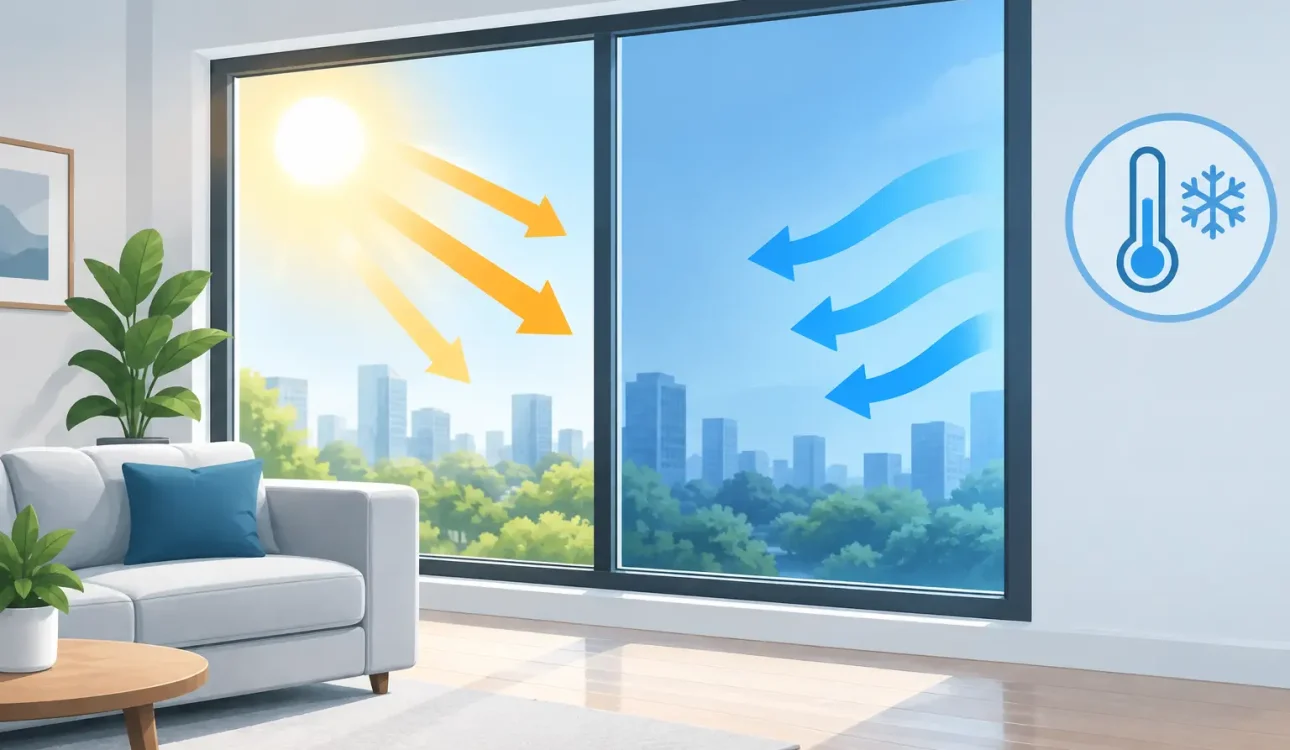
Sunlight carries visible light, ultraviolet radiation, and infrared energy. Infrared is a major contributor to the heat you feel when standing near a sunlit window. High-performance solar films are engineered to reject a portion of that solar energy while still allowing useful daylight into the room.
Depending on the film type, this can happen through reflective layers, ceramic particles, or spectrally selective technology. Reflective films generally provide strong heat rejection and daytime privacy, while ceramic and spectrally selective films are often preferred where homeowners want a clearer appearance and less visible darkening.
The goal is not simply to make glass darker. A dark film may reduce brightness, but its total solar performance, heat absorption, and compatibility with the glass still matter. Premium films balance heat control with visible light transmission, so a room can remain naturally bright without becoming overly warm or harsh.
The Benefits You Notice Every Day
The first benefit is usually comfort. Rooms that receive direct afternoon sun can feel less intense, especially around sofas, dining tables, workstations, and beds positioned close to windows. By lowering the amount of solar heat entering the space, film can also help reduce the burden on air conditioning during hot periods.
Glare control is equally valuable. Sun glare can make a laptop difficult to use, wash out a television picture, and create uncomfortable working conditions in offices. Window film softens that glare while maintaining a more usable level of daylight than closed curtains or blinds.
Most quality solar films also block up to 99% of UV radiation. UV exposure is one factor that contributes to fading in flooring, curtains, artwork, wood finishes, and upholstery. Film cannot eliminate all fading, since visible light and heat also play a role, but it adds meaningful protection to interiors that receive regular sun.
There is also an aesthetic advantage. Modern solar films are available in light neutral shades, subtle tints, and more reflective finishes. This makes it possible to improve performance without turning every window into a dark mirror.
Choosing the Right Film for Your Windows
The best choice starts with how each window performs, not with a single film applied everywhere. A bedroom with morning sun has different needs from a west-facing office or a street-level living room with privacy concerns.
Consider the Direction of the Sun
East-facing windows receive strong morning light, while west-facing windows often create the most difficult late-day heat and glare. South-facing glass in sunny climates can receive prolonged exposure, particularly when there is little exterior shading. A consultation should identify where discomfort is greatest and prioritize those areas.
Decide How Much Light You Want to Keep
Visible light transmission refers to how much visible daylight passes through the filmed glass. A higher percentage keeps the window brighter and clearer. A lower percentage offers greater shading and glare reduction but can make a room feel darker, especially on cloudy days or in smaller spaces.
For many homeowners, a light ceramic or spectrally selective film is the best compromise: strong heat rejection with a natural-looking view. For meeting rooms, media spaces, or windows exposed to severe afternoon glare, a darker film may be the better functional choice.
Match the Film to Privacy Needs
Solar film and privacy film are not always the same product. One-way reflective film can provide daytime privacy when it is brighter outside than inside, but this effect reverses at night if interior lighting is stronger. If round-the-clock privacy is required, frosted, blackout, or decorative window film may be more appropriate.
This distinction prevents a common disappointment: expecting reflective solar film to provide complete nighttime privacy without curtains or blinds. A specialist should explain what the film will and will not do in real conditions.
Why Glass Compatibility Matters
Not every film is suitable for every type of glass. Standard clear glass, tempered glass, laminated glass, insulated glass units, and older glass assemblies can respond differently to solar heat absorption. Applying a highly absorptive film to incompatible glass may increase thermal stress and raise the risk of cracking.
This is why film selection should involve more than choosing a shade from a sample board. A professional installer evaluates the existing glass, window size, frame condition, sun exposure, and the film manufacturer’s compatibility guidance. The objective is a solution that delivers better comfort without compromising the glass.
For commercial properties, this assessment can be especially important. Large storefront panels, curtain walls, and office partitions may use different glass types within the same building. The correct specification protects performance, appearance, and long-term reliability.
Installation Quality Affects Performance
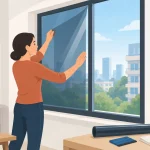
Even premium window film needs precise installation. The glass must be cleaned thoroughly, the film must be cut accurately, and edges must be finished correctly to avoid visible gaps, lifting, or contamination. Installation should also be planned around access, furniture, window hardware, and the room’s daily use.
After installation, a temporary hazy appearance or small water pockets can occur while the mounting solution dries. This curing period varies with film type, weather, and ventilation. Do not scrub or apply adhesive products to newly installed film unless the installer has confirmed it is safe to do so.
At ShieldShade, recommendations are based on the practical demands of the space, from heat-heavy home windows to privacy-sensitive commercial glass. The right outcome combines film technology, suitable glass compatibility, and careful installation rather than relying on one feature alone.
When Window Film May Not Be the Only Answer
Energy-saving film can make a noticeable difference, but it is not a replacement for every building improvement. If a room remains hot because of a failing air-conditioning system, uninsulated walls, open doors, or a poorly sealed roof, window film should be part of a wider comfort plan.
Exterior overhangs, blinds, curtains, and landscaping can also help manage sun exposure. In some cases, combining a light high-performance film with adjustable interior shades gives the best result: heat reduction throughout the day and extra glare or privacy control when needed.
It also depends on expectations. A nearly invisible film may preserve an open view but will not usually provide the same shading effect as a darker reflective product. Conversely, the strongest heat-control option may alter the exterior appearance of the glass. Good advice makes these trade-offs clear before installation.
Questions to Ask Before You Buy
Before approving a window film, ask what level of heat rejection, glare reduction, and visible light transmission the proposed film provides. Ask whether it is appropriate for your glass type and whether its appearance changes from day to night. For homes and offices, it is also useful to confirm the warranty terms, cleaning guidance, and expected curing time.
Request to see samples against your actual windows whenever possible. A sample viewed under showroom lighting cannot fully show how a film will look on a sunny west-facing wall or in an evening-lit room. Looking at the glass in its real setting helps you choose with confidence.
A cooler, more comfortable room should not require a major renovation or a permanent sacrifice in daylight. Choose energy saving window film based on how you live and work in the space, then let the glass do more of the hard work every sunny day.