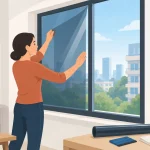
A west-facing living room can look bright and inviting at 9 a.m., then become the hottest room in the home by mid-afternoon. That is where the ceramic versus dyed tint decision becomes practical, not merely cosmetic. Both films can darken glass, reduce glare, and add daytime privacy, but they perform very differently under sustained sun exposure.
For homeowners, HDB residents, condo owners, and commercial property managers, the right choice comes down to the window’s purpose. Is the main concern heat, glare on screens, privacy from nearby buildings, budget, or the appearance of the glass? A clear answer helps prevent the common mistake of choosing film by shade alone.
Ceramic Versus Dyed Tint: The Core Difference
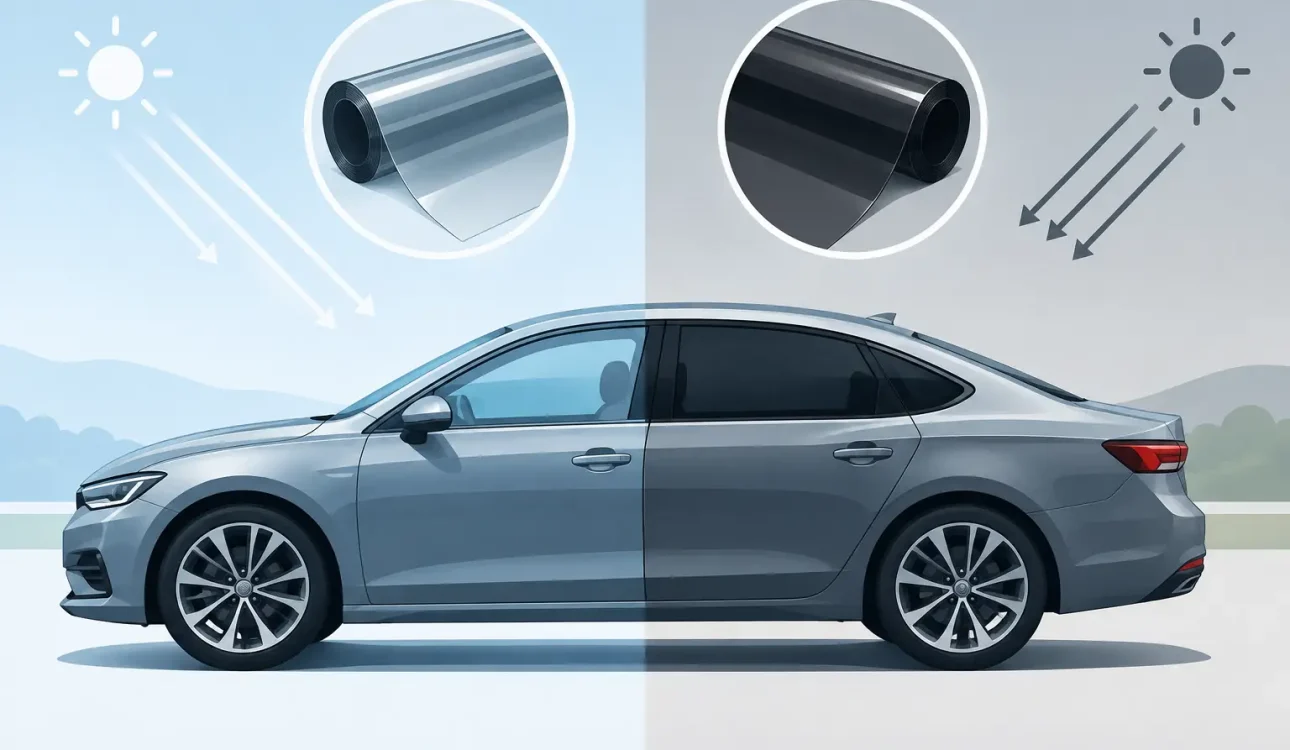
Dyed window tint uses layers of dye to absorb sunlight. It is a familiar, economical option that creates a darker appearance and can noticeably soften glare. Because it absorbs solar energy rather than rejecting as much of it, the glass and film can still retain considerable heat during strong sun.
Ceramic tint uses non-metallic ceramic particles engineered to block a greater share of infrared heat and ultraviolet radiation. It is designed for high solar performance without relying on a highly reflective or very dark finish. That makes ceramic film especially attractive when a room needs to stay brighter while feeling more comfortable.
The distinction matters in hot, humid climates. Windows exposed to direct afternoon sun can transfer substantial heat indoors. A film that only darkens the view may improve visual comfort, yet leave the room warmer than expected. A higher-performance ceramic film is generally the stronger choice where heat rejection is the priority.
How Dyed Tint Performs
Dyed tint is often selected for simple glare control, a darker exterior look, and a lower upfront cost. It can be suitable for windows with limited direct sun, interior glass partitions, or areas where the primary goal is reducing visibility rather than maximizing solar control.
Where dyed film makes sense
A bedroom facing a corridor, a storage area, or a meeting room that needs a darker appearance may not require premium heat-rejection technology. In these cases, dyed film can provide a functional improvement at a more accessible price point. It also offers a range of shades, from subtle smoke tones to deeper dark finishes.
However, a dark film should not automatically be mistaken for a cooler film. Visible light transmission, or how much light passes through the glass, is separate from infrared rejection. Two films with a similar dark appearance can deliver very different levels of heat control.
Its long-term trade-offs
Over time, lower-grade dyed films are more likely to fade, discolor, or develop a purple cast under intense ultraviolet exposure. Quality varies widely among products, so the lowest-priced option may not deliver the appearance or lifespan expected for a main living space or storefront.
Dyed film also absorbs heat. On some glass types and large sun-facing panes, that heat absorption should be assessed carefully before installation. A professional recommendation considers the existing glass, its orientation, frame condition, and whether the window is single-pane, insulated, laminated, or tempered.
Why Ceramic Tint Is a Premium Upgrade
Ceramic tint is built for clients who want serious solar performance without turning their windows into dark panels. It can reduce heat and glare while preserving clearer outward visibility, which is valuable in living rooms, offices, retail spaces, and rooms with a view.
The ceramic construction is non-metallic. That means it generally does not create the signal interference concerns associated with some metallic films. For homes and offices that depend on reliable mobile, GPS, or radio signals near windows, this can be a meaningful advantage.
Better comfort in sun-facing rooms
The most noticeable benefit of ceramic film is often the difference felt near the window. A bright room may remain bright, but the harsh radiant heat is reduced. This can make a sofa by the glass, a home office desk, or a customer waiting area more usable through the day.
Ceramic films are especially effective for large windows facing west or east, high-rise units with broad exposure, glass-heavy offices, and spaces where air-conditioning works harder during sunny hours. They can help reduce solar load, supporting a more stable indoor environment and potentially easing cooling demand.
No window film can eliminate all heat transfer. Walls, roofs, gaps around doors, appliances, and occupancy also affect indoor temperature. Still, solar film is one of the most direct upgrades for glass that receives strong sunlight.
Clearer aesthetics and stronger durability
Premium ceramic films are available in lighter shades, making them suitable for owners who dislike the dark, heavily tinted look. This is useful when natural light, interior finishes, and external appearance matter as much as performance.
Ceramic film also tends to hold its color and optical clarity better than basic dyed alternatives. For a long-term installation, that consistency matters. Replacing faded film is not only inconvenient but can add labor and disposal costs that reduce the value of a cheap initial installation.
Compare the Factors That Actually Affect Your Choice
Price is part of the decision, but it should not be the only comparison point. A dyed film may cost less at installation, while a ceramic film may offer better comfort, durability, and heat-control performance over its service life.
For a privacy-focused application, consider when privacy is needed. Dark solar tint provides stronger daytime privacy because outdoor brightness is higher than indoor brightness. At night, when interior lights are on, occupants can still be visible from outside. Bedrooms, bathrooms, street-level offices, and close-facing windows may need frosted or blackout film if dependable privacy is the goal.
For glare, both options can help. A dark dyed tint may reduce glare more aggressively simply because it blocks more visible light. But if you need to preserve daylight while cutting the uncomfortable heat that accompanies it, ceramic film is usually the more balanced solution.
For UV protection, choose a specified quality film rather than assuming darkness equals protection. Professional-grade window films can block a high percentage of ultraviolet radiation, helping protect flooring, furnishings, artwork, merchandise, and skin near windows. Fading can still occur from visible light and heat, so UV protection should be viewed as one part of a wider preservation strategy.
Choose by Room, Not Just by Budget
A single property may benefit from more than one film type. The right solution for a sunny living room may not be right for a corridor-facing bedroom or a glass meeting room.
For example, a west-facing family room usually benefits from a high-performing ceramic solar film because comfort and visibility are both important. A home office may also justify ceramic film to reduce glare and heat without making video calls or paperwork feel dim.
A utility room or low-sun window may be a reasonable place for dyed tint if the desired result is modest glare reduction at a lower cost. For a bathroom or windows directly facing neighboring units, frosted film may solve the privacy issue better than either ceramic or dyed solar tint.
Commercial spaces require the same practical thinking. A retail storefront may need glare reduction without hiding displays. An office with floor-to-ceiling glass may need heat control that supports employee comfort. A meeting room may need decorative or frosted film for confidentiality. The best film is the one matched to the room’s actual use.
Installation Quality Protects the Investment
Even premium film cannot perform as intended if it is poorly installed. Accurate glass assessment, clean preparation, careful cutting, and proper edge finishing influence both appearance and longevity. Existing glass also needs to be checked for cracks, seals, coatings, and compatibility concerns before film is selected.
Ask for product specifications that explain visible light transmission, total solar energy rejected, glare reduction, UV protection, and warranty coverage. These numbers make it easier to compare films fairly. A reliable installer should explain what each specification means for your windows instead of recommending the darkest shade by default.
ShieldShade International approaches window film selection as a performance decision, not a one-size-fits-all purchase. With premium films sourced for demanding tropical conditions and installation matched to each glass application, the goal is a result that looks right and works hard every day.
Before choosing, stand in the room during its hottest, brightest hour and consider how you want it to feel. That simple observation will point you toward the film that delivers lasting comfort rather than just a darker window.