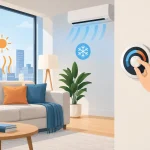
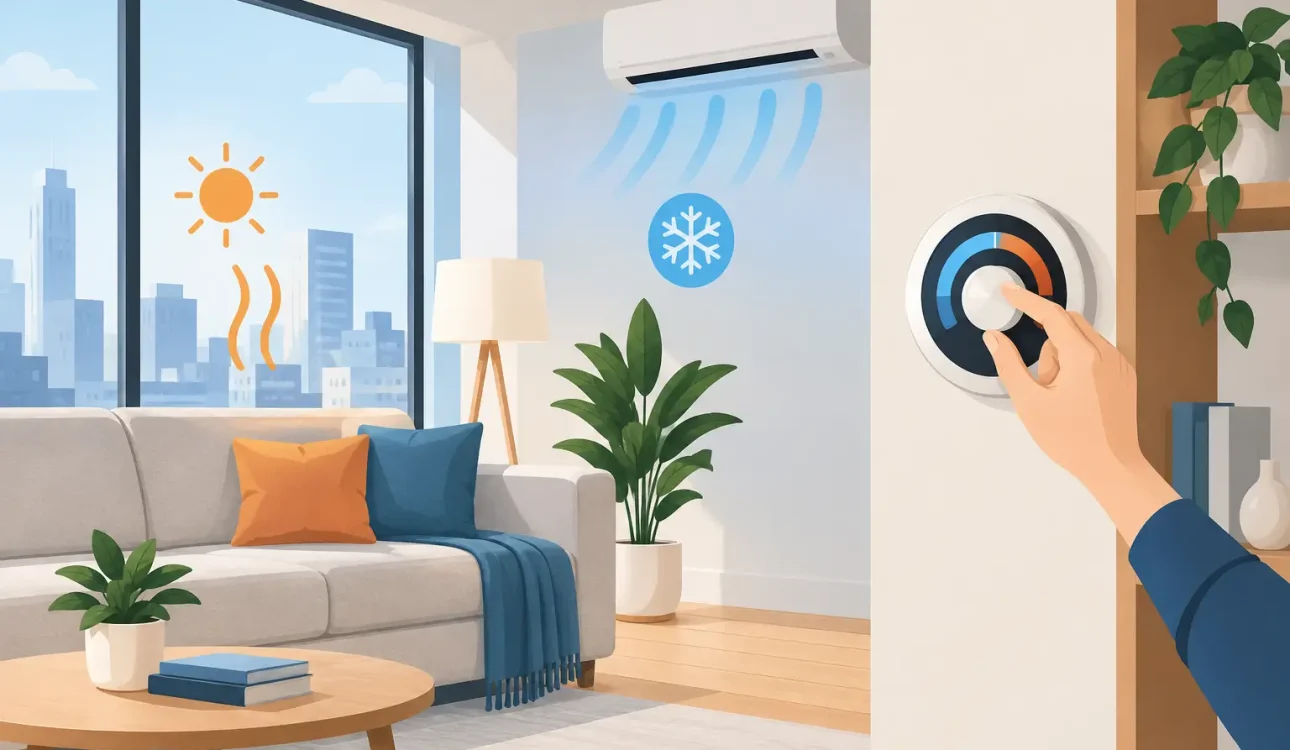
When the afternoon sun hits an apartment’s largest windows, the room can feel noticeably hotter within minutes. A practical guide to apartment heat control starts with that reality: heat is often entering through glass long before your air conditioner has a chance to respond. The right solution is rarely one dramatic renovation. It is a set of targeted decisions that reduce solar gain, manage glare, and make every cooled room easier to live in.
For apartment owners and renters, the goal is not to turn a bright home into a dark one. It is to keep the benefits of natural light while reducing the uncomfortable heat, fading, and high cooling demand that direct sunlight can create.
Start With Where the Heat Is Coming From
Apartment heat is not always caused by poor air conditioning. In many units, especially those with wide glass panels or west-facing windows, solar radiation is the main problem. Sunlight passes through the glazing, warms floors, furniture, walls, and interior surfaces, and those materials continue releasing heat after the sun has shifted.
Look at when and where your home feels hottest. A bedroom that overheats between 2 p.m. and 6 p.m. likely has a different issue than a kitchen that stays warm all day because of cooking appliances and limited airflow. Stand near each window during peak sun and note whether you feel direct radiant heat, harsh glare, or both.
Orientation matters. East-facing windows receive strong morning sun, while west-facing glass is often the biggest concern in late afternoon. South-facing exposure can bring extended daylight in many parts of the United States, though the angle and intensity vary by season. Upper-floor apartments may also experience more direct exposure because nearby buildings or trees do not provide shade.
Reduce Solar Heat Before It Enters
The most effective apartment heat-control measures work at the window, where much of the unwanted heat begins. Once solar energy has entered the room and warmed interior surfaces, your air conditioner has to remove it. Blocking or reducing that gain at the glass is usually more efficient than simply lowering the thermostat.
Choose window film for performance, not darkness
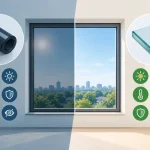
High-quality solar window film can reduce heat and glare while preserving a bright, open view. Modern films are available in clear or lightly tinted options, so a darker appearance is not the only route to better heat rejection. The right film depends on the existing glass, window direction, privacy needs, and how much visible light you want to keep.
This is where product selection deserves professional attention. A film with strong heat-rejection performance may be ideal for a sun-facing living room, but a lighter option could make more sense in a naturally dim bedroom. Reflective films can provide daytime privacy and solar control, while low-reflectivity films may suit homeowners who prefer a more natural exterior appearance.
Not every film is appropriate for every glass type. Some insulated glass units, laminated panels, or specialty glazing systems require careful compatibility checks to avoid excess thermal stress or warranty concerns. An experienced installer assesses the glass before recommending a solution, rather than applying the same film throughout the apartment.
For dense urban homes, solar film is especially useful because it upgrades existing windows without the disruption, cost, or building approval requirements that window replacement may involve. ShieldShade International helps homeowners match premium solar film options to the heat, glare, privacy, and appearance requirements of each space.
Use curtains and shades strategically
Curtains and blinds can improve comfort, but they work best as a supporting layer rather than the only heat-control measure. Once sunlight passes through the glass, an interior shade absorbs part of that energy inside the room. It can still help, particularly with glare and privacy, but it may not reduce solar heat as effectively as a window treatment designed to reject heat at the glass.
For the best results, close shades before the sun reaches the window rather than after the room feels hot. Cellular shades can add insulation, while roller shades provide a clean, space-efficient option. Blackout curtains are useful for bedrooms and media rooms, but they may be too heavy for living spaces where daylight is valued. The trade-off is simple: more coverage often means better light control, but less natural light and a more enclosed feel.
Improve Airflow Without Wasting Cooling
Air movement does not lower the actual room temperature, but it can make a space feel more comfortable at a higher thermostat setting. Ceiling fans and well-positioned portable fans help circulate conditioned air and reduce stagnant hot zones near windows, hallways, and upper areas of a room.
Run ceiling fans counterclockwise during warm weather to push air downward. If you use a window fan, be selective. It can help on cool evenings, but drawing in hot outdoor air during the day will work against your cooling system. In humid climates, keep windows closed when the air conditioner is operating so it does not have to handle unnecessary moisture as well as heat.
Keep interior doors open when practical to improve circulation, but close off rarely used rooms if your system allows separate temperature control. Avoid placing large furniture directly in front of air vents or return grilles. A blocked return can reduce airflow across the entire apartment, not just one room.
Make Your Air Conditioner Work Smarter
An air conditioner that runs constantly is not always undersized. It may be fighting direct sun, dirty filters, air leaks, or a thermostat placed in an unhelpful location. Begin with the simple maintenance items: replace or clean filters according to the manufacturer’s instructions, keep vents clear, and report drainage or performance issues promptly if you rent.
Set a realistic temperature rather than repeatedly dropping the thermostat when the room feels warm. A lower setting will not cool the apartment faster. It only tells the system to run longer. If one room is consistently hotter than the rest, solve the solar exposure or airflow problem there instead of overcooling the entire home.
Smart thermostats can help identify patterns, especially for owners who are away during work hours. However, they are most useful when paired with better window management. Programming the cooling system cannot fully compensate for a west-facing wall of untreated glass receiving hours of direct sun.
Control Heat From Appliances and Daily Habits
Small heat sources add up in compact apartments. Cooking on the stovetop, running an oven, using a clothes dryer, and operating older lighting can raise indoor temperatures quickly. On the hottest days, prepare meals with a microwave, air fryer, or outdoor grill where available, and run exhaust fans while cooking.
Laundry is another overlooked source of heat and humidity. If your apartment has an in-unit dryer, use it during cooler hours and make sure the venting system is functioning properly. Turn off electronics that are not in use, particularly gaming systems, desktop computers, and entertainment equipment in enclosed cabinets.
Lighting choices matter too. LED bulbs produce far less heat than older incandescent bulbs, making them a simple upgrade for frequently used rooms. These changes will not replace solar control, but they reduce the extra load placed on your cooling system.
Do Not Ignore Air Leaks and Insulation Gaps
Hot air can enter through gaps around doors, windows, utility penetrations, and poorly sealed portable air-conditioner panels. On a windy day, use your hand to check for noticeable drafts around window frames and balcony doors. Weatherstripping and door sweeps are inexpensive measures that can make a meaningful difference, particularly in older apartments.
Renters should avoid permanent alterations without approval, but removable weather seals, draft blockers, and temporary insulation panels may be appropriate. Owners can consider more durable sealing work, provided it does not interfere with building rules, drainage paths, fire safety, or window operation.
If your windows feel hot to the touch, show condensation between panes, or allow obvious drafts, speak with building management or a qualified contractor. Window film improves solar performance, but it cannot repair failed seals, damaged frames, or faulty glazing.
Build a Room-by-Room Heat-Control Plan
Treat each room according to how it is used. A sun-facing home office needs glare control for screens and enough daylight for productive work. A bedroom may benefit from a combination of solar film and blackout treatment for cooler afternoons and better sleep. In a living room, a high-performing but lighter film can preserve the view while making the space more comfortable for daily use.
This targeted approach is often more cost-effective than applying the same solution everywhere. It also avoids common disappointments, such as installing very dark film in a room that already lacks natural light or relying on blackout curtains when daytime privacy and heat rejection are the real priorities.
A cooler apartment is built through better decisions at the glass, smarter airflow, and practical daily habits. Start with the window that gets the strongest sun, then choose an upgrade that improves comfort without compromising how you want the room to look and feel.