That faded patch on the sofa near the window is usually the first sign. Then come the warm floors by noon, the glare on the TV, and the feeling that your home is working against you every sunny afternoon. UV protection window film home solutions are designed for exactly this problem – protecting interiors from sun damage while making rooms more comfortable without changing your existing glass.
For many homeowners, the appeal is simple. You want to keep natural light, but you do not want the heat, glare, and ultraviolet exposure that come with it. That is where a professionally selected window film makes a real difference. It is not just about darkening glass. It is about choosing a film that fits your windows, your sun exposure, and the way you use each room.
What UV protection window film for home actually does
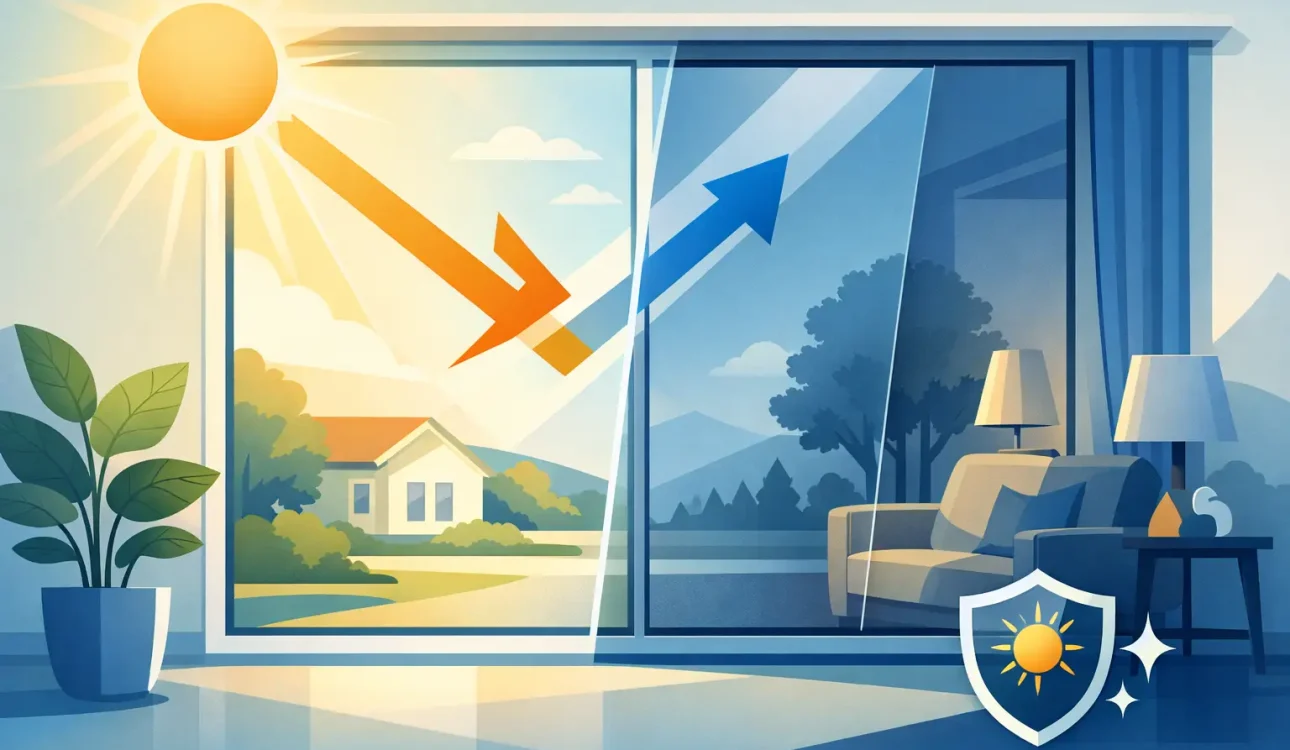
Ultraviolet rays are a major cause of fading in flooring, curtains, wood finishes, artwork, and upholstered furniture. Even when a room looks bright and pleasant, UV radiation can still be quietly damaging the surfaces inside it. A high-quality residential window film is built to block the vast majority of these harmful rays before they enter the space.
That protection matters, but it is only part of the value. Many homeowners start by asking about UV because they want to protect furniture or reduce skin exposure near large windows. What they often discover is that the right film can also cut glare, improve daytime comfort, and reduce solar heat gain. In practical terms, the room feels easier to live in. You are not constantly adjusting blinds, avoiding certain seats, or overusing air conditioning during peak sun hours.
Why homeowners choose UV protection window film home upgrades
Replacing windows is expensive, disruptive, and often unnecessary. Window film offers a more efficient way to improve the performance of existing glass. For homeowners who want a functional upgrade without major renovation work, it is one of the most practical options available.
This is especially relevant in bright, warm climates and dense urban settings where windows receive strong sun for long stretches of the day. Large living room panels, bedroom windows facing west, and high-rise units with direct afternoon exposure often create the same set of complaints – too much heat, too much glare, and fading that gets worse over time.
A UV-focused film helps address those concerns while preserving the look of the home. Depending on the product selected, the finish can be almost invisible, lightly tinted, or more reflective from the exterior. That flexibility matters because not every homeowner wants the same result. Some want maximum clarity. Others want a stronger solar barrier or added daytime privacy.
Not all window films perform the same way
This is where many buying decisions go wrong. Homeowners sometimes assume all films offer similar UV protection, so they compare only by price or shade. In reality, performance can vary significantly based on film construction, material quality, adhesive system, and installation standards.
A basic film may provide UV rejection but limited heat control. Another may reduce glare well but darken the room more than expected. Premium films tend to offer a better balance – high UV rejection, lower solar heat transmission, clearer visibility, and better long-term durability. That balance is especially important in homes where you want protection without making the space feel closed in.
There is also the issue of glass compatibility. Not every film suits every window type. Single-pane, double-pane, tempered, laminated, and coated glass can respond differently to film application. A reliable recommendation should account for the existing glass, the direction of sun exposure, and the intended outcome in the room.
How to choose the right UV protection film for your home
The best starting point is not the darkest film or the cheapest quote. It is understanding what problem you are trying to solve first.
If your main concern is protecting furniture and flooring while keeping the windows visually clear, a spectrally selective film may be the right fit. These films are designed to block UV and reduce a portion of solar heat while maintaining a bright, open appearance. They are popular in living rooms, dining areas, and homes where aesthetics matter as much as performance.
If you are dealing with harsh afternoon sun, strong glare, and rising cooling use, a more solar-control-focused film may be the better choice. This type of film usually has a stronger tint or reflective quality and offers more noticeable heat rejection. It may change the appearance of the glass more, but the comfort improvement can be substantial.
Bedrooms, nurseries, and study spaces often need a more balanced approach. You may want UV protection and glare reduction without making the room too dark. In these spaces, a mid-range visible light transmission can often give better everyday usability than an aggressively dark film.
The right answer depends on room function, facade direction, privacy expectations, and design preference. A one-size-fits-all recommendation rarely delivers the best result across an entire home.
What to expect from professional installation
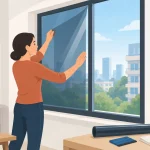
Good film can underperform if it is installed poorly. Dust contamination, edge lifting, bubbling, and uneven trimming are not just cosmetic problems. They affect lifespan, appearance, and customer confidence. In residential spaces, where windows are highly visible and often close to living areas, installation quality matters as much as the product itself.
A professional installer should assess the glass first, recommend a suitable film category, and explain realistic performance outcomes. That includes discussing what film can and cannot do. For example, window film can significantly reduce UV exposure and help with heat control, but it will not make a sun-facing room feel the same as a shaded one. It improves the condition. It does not erase the laws of solar exposure.
You should also expect proper surface preparation, precise cutting, and clear aftercare guidance. Some visual haziness or minor water pockets can appear during the curing period, depending on the film and climate. That is normal. What is not normal is sloppy finishing or vague answers about product origin, specifications, or warranty support.
Common misconceptions about UV protection window film home products
One common myth is that if a film blocks UV, it automatically solves heat. Not necessarily. UV rejection and infrared or solar heat rejection are related but separate performance factors. A film can be excellent at reducing UV while offering only moderate heat reduction. That is why product selection should be based on the full performance profile, not just one number.
Another misconception is that darker always means better. Dark films can reduce glare effectively, but visible darkness does not always equal superior heat performance. Some advanced films remain relatively clear while still delivering strong solar control. For homeowners who want a modern, less intrusive finish, that can be a better investment.
There is also a belief that window film is only for older homes or obvious problem windows. In practice, it is just as useful in newer properties with large glass areas, open-plan layouts, and decorative interiors that need protection from daily sun exposure.
Is UV window film worth it for everyday living?
If you spend time near your windows, care about preserving your interiors, or want to make bright rooms easier to use, the answer is often yes. The value is not limited to one dramatic change. It comes from a series of everyday improvements – less fading, less squinting, cooler seating areas, more stable room comfort, and less pressure on blinds and air conditioning.
For homeowners comparing options, the smartest approach is to think beyond short-term cost. Better film quality and correct installation usually translate into better visual results, more dependable performance, and fewer issues over time. That matters when the product is meant to stay on your windows for years, not months.
At ShieldShade International, this is exactly how we approach residential film selection – with a focus on real-world performance, premium sourcing, and solutions that suit how homes are actually used. The right film should not just look good on a sample card. It should work every day when the sun hits hardest.
If your home is getting too much sun in all the wrong ways, window film is one of the few upgrades that can improve comfort, protect your interiors, and preserve your view at the same time. The best next step is not guessing which tint looks right. It is choosing a solution that matches your glass, your space, and the way you want your home to feel.