
If your living room heats up by noon, your office screens catch glare all afternoon, or your windows feel a little too exposed after dark, the real question is not whether you need a window upgrade. It is which upgrade makes more sense. In the window film vs tinted glass debate, the better choice often comes down to performance, flexibility, and how much disruption you want to your space.
For most homeowners and property managers, these two options sound similar at first. Both can darken glass. Both can improve comfort. Both can change how a building looks from the outside. But once you look past the appearance, they work very differently, and those differences matter in daily use.
Window film vs tinted glass: the basic difference
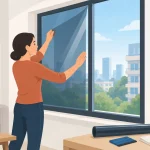
Window film is a thin, engineered layer applied directly to existing glass. Depending on the product, it can reduce solar heat, cut glare, block UV, improve daytime privacy, or create a frosted or decorative finish. It is an add-on solution, which means you keep your current windows and upgrade their performance.
Tinted glass is glass that has been manufactured with color or tint built into it. The tint is part of the glass itself, usually intended to reduce brightness and give the window a darker appearance. Because the tint is integrated during production, changing it later usually means replacing the glass.
That single difference affects everything else – cost, installation time, customization, maintenance planning, and how easily you can adapt the space later.
Why window film is often the more practical option
In real residential and commercial settings, replacing glass is a major project. Applying film is not. That matters if you want better comfort without turning a simple upgrade into a renovation.
Window film is usually the faster and less invasive option. It can be installed on existing windows, which helps avoid the mess, structural work, and downtime that come with glass replacement. For occupied homes, HDB units, condos, offices, shops, and schools, that is a major advantage.
It is also more flexible. If your priority is heat rejection, you can choose a high-performance solar film. If privacy is the concern, there are reflective, blackout, or frosted options. If you want natural light without intense glare, there are films designed specifically for that balance. Tinted glass does not offer the same level of fine-tuning once it is already in place.
This is one reason experienced installers often recommend film first. It solves the problem directly without forcing you to replace something that may still be structurally sound.
Heat control is where performance really separates
When customers compare window film vs tinted glass, heat reduction is usually the deciding factor.
Many people assume darker glass always means better heat control. That is not necessarily true. Tint can reduce visible light, but reducing brightness and reducing heat are not the same thing. Some tinted glass products absorb heat rather than rejecting it efficiently, which can still leave interiors warm.
Modern solar window films are engineered for solar performance, not just appearance. High-quality films can reject a significant amount of solar energy while still allowing useful daylight into the room. In hot, sun-heavy climates, this makes a visible difference in indoor comfort and often reduces the burden on air conditioning.
For west-facing bedrooms, living rooms with large panels, office frontage, and glass-heavy commercial spaces, this distinction matters every day. A room that looks slightly darker but still feels hot has not really solved the problem.
UV protection and interior preservation
Another key difference is UV blocking. Premium window films are designed to block a very high percentage of harmful UV rays, helping protect flooring, curtains, furniture, artwork, and display materials from fading.
Tinted glass may provide some UV reduction, but it is not always engineered to the same performance standard unless you select specialized glazing systems. For many property owners, that adds cost quickly.
If you have timber flooring near full-height windows, upholstered furniture in direct sun, or merchandise displayed near storefront glass, UV protection is not a minor feature. It is part of preserving the value of your interiors over time.
Privacy and appearance are not the same thing
A common mistake is choosing based on darkness alone. Darker does not always mean more private, and privacy needs can change depending on lighting conditions.
Window film offers more control over this. Reflective films can create stronger daytime privacy. Frosted films can block direct visibility while still allowing light through. Blackout films can provide near-total concealment for selected areas. Decorative films can also separate spaces without replacing glass panels.
Tinted glass mainly changes the tone of the glass. It may help reduce visibility somewhat, but it does not provide the same range of privacy outcomes. At night, when indoor lights are on, dark glass can still leave interiors visible from outside.
That is why product selection should be based on the actual use of the space, not just the visual effect from the exterior.
Cost, disruption, and long-term value
If you are upgrading an existing property, window film almost always has the lower entry cost. You are improving current windows rather than removing and replacing them. Labor is simpler, timelines are shorter, and the overall project is easier to manage.
Tinted glass makes more sense in certain new-build or major renovation situations, especially when glass is already being specified from scratch. Even then, the decision should not be based on appearance alone. If the glass does not deliver the heat rejection, glare control, or privacy level you need, you may still end up adding film later.
For many owners, the smarter investment is the one that solves the problem now without unnecessary replacement costs. That is where film often stands out. It gives you targeted performance with less operational disruption.
Window film vs tinted glass for homes
In homes, comfort and flexibility usually matter most. Bedrooms need cooler afternoons. Living rooms need less glare without feeling dark. Bathrooms and service areas often need privacy. Different rooms have different priorities.
Window film works well because it can be tailored room by room. A solar film may suit the front-facing windows, while frosted film works better for a bathroom panel or side-facing opening. You are not locked into one glass specification for the entire home.
That flexibility is especially useful in dense urban housing, where neighboring buildings, strong sunlight, and limited shade can create different issues on each side of the property.
Which is better for offices and commercial spaces?
Commercial settings usually care about energy efficiency, visual comfort, privacy, and professional appearance. Staff productivity can suffer when glare is constant. Meeting rooms may need discretion. Retail spaces may want heat control without making the frontage look uninviting.
Window film gives businesses more precise options. You can maintain a clean, modern facade while addressing specific pain points inside. For office managers and operators, that means better control without the downtime of replacing large glass sections.
This is also where professional consultation matters. The right product depends on glass type, building orientation, lighting conditions, and operational needs. A specialist approach prevents over-darkening, uneven results, or selecting a film that solves one issue but creates another.
So which should you choose?
If you are building from the ground up and already selecting a full glazing system, tinted glass may have a place in the overall design. But for most existing homes and commercial properties, window film is the more efficient, adaptable, and cost-conscious solution.
It offers stronger customization, less disruption, and access to performance features that go far beyond darkening the glass. That includes heat rejection, UV protection, glare reduction, decorative finishes, and privacy control tailored to the actual room.
At ShieldShade International, this is exactly where experience makes a difference. The best result does not come from choosing the darkest option. It comes from matching the right film technology to the way your space is used.
If your goal is to make a room cooler, more comfortable, and more private without replacing perfectly usable windows, window film is usually the better move. Upgrade the glass you already have, and let it work harder for your space.