Sunlight can make a room feel bright and welcoming, but the damage it causes is often slow and expensive. If you are asking which film blocks UV, the best answer is a quality window film rated to reject up to 99% of ultraviolet rays. The right choice, however, depends on whether you also need heat reduction, glare control, privacy, or a nearly invisible finish.
For homes, apartments, offices, and storefronts with strong daily sun exposure, UV-blocking window film is a practical upgrade. It helps protect the spaces and belongings you already have, without the cost and disruption of replacing your glass.
Which Film Blocks UV Most Effectively?
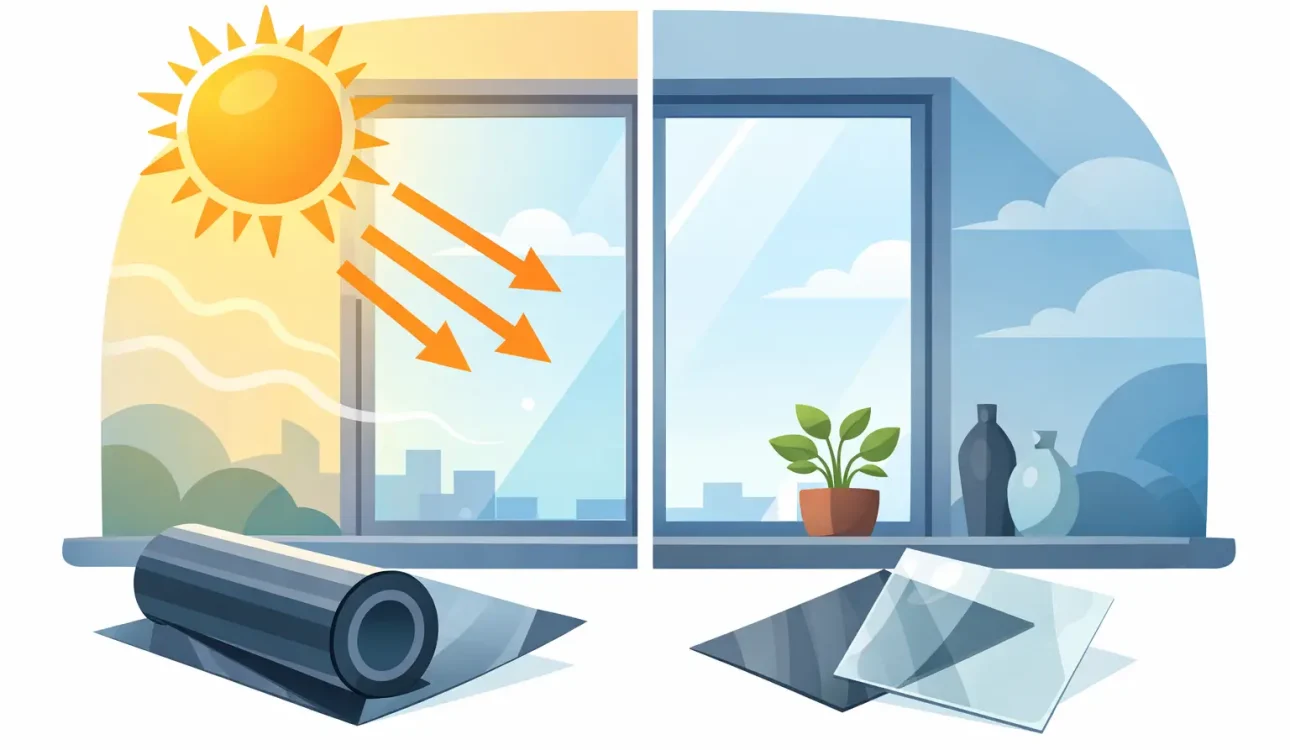
High-quality solar window film and clear UV-protection film are the strongest options for blocking UV rays. Premium films are commonly engineered to filter up to 99% of UVA and UVB radiation, the wavelengths associated with fading and long-term sun exposure.
A common misconception is that only dark tinted film blocks UV. In reality, UV rejection is not determined by darkness alone. Many light, neutral, and even optically clear films can provide excellent UV protection. This matters when you want to preserve natural daylight, maintain the appearance of your windows, or comply with building requirements that limit highly reflective or dark finishes.
The most suitable film generally falls into one of two categories. Clear UV window film is designed primarily to protect interiors while changing the look of the glass as little as possible. Solar control film combines UV rejection with heat and glare reduction, making it especially useful for sun-facing rooms, glass-heavy offices, and spaces that become uncomfortable in the afternoon.
Why UV Protection Matters Behind Glass
Window glass does provide some protection, but it should not be treated as complete UV protection. Standard glass can block a significant portion of UVB rays, yet UVA rays can still pass through. UVA is a major contributor to fading in furnishings, flooring, artwork, curtains, and merchandise.
That means a sunny window can gradually alter the color of a hardwood floor or leave a visible outline where a rug once sat. Leather furniture may dry out or fade unevenly. Retail displays, printed materials, and valuable interior finishes can lose their original appearance long before the damage becomes obvious.
UV window film adds a protective layer directly to existing glass. While no window treatment can guarantee that fading will stop entirely, because heat, visible light, and material quality also affect it, a properly selected film can substantially slow the process. It is one of the most cost-effective ways to preserve interior investments in bright spaces.
UV Blocking Is Not the Same as Heat Rejection
This is where many film comparisons become confusing. A film may block up to 99% of UV rays and still have modest heat-rejection performance. Another film may deliver strong solar heat control while looking only lightly tinted. The specifications need to be considered together.
UV rejection measures how much ultraviolet radiation the film filters. Visible light transmission, often called VLT, indicates how much natural light enters the room. Solar heat rejection or total solar energy rejected indicates how effectively the film reduces the sun’s overall heat load. Glare reduction measures how much harsh brightness is cut.
For a bedroom with valuable furniture but limited direct sunlight, a clear UV film may be enough. For a west-facing living room that becomes hot and uncomfortable every afternoon, solar film is typically the better investment because it addresses UV exposure, heat, and glare at the same time. For an office with computer screens near large windows, glare reduction may be equally important for productivity and comfort.
Choosing the Right UV Window Film for Each Space
The best film is not always the one with the highest number on a specification sheet. It should suit the orientation of your windows, the function of the room, the type of glass, and the level of privacy you want.
Clear UV Film for Natural Light
Clear UV film is a strong choice for homeowners and businesses that want protection without a noticeable tint. It helps preserve bright interiors and is well suited to display windows, rooms with limited daylight, museums, showrooms, and homes with a light, open design.
Because this type of film is nearly transparent, it will not provide the same heat reduction as a high-performance solar film. It is best when UV protection is the primary concern and solar heat is manageable.
Solar Film for Heat, UV, and Glare
Solar control film is the most versatile option for sun-exposed residential and commercial windows. Depending on the product, it can reduce UV rays, reject solar heat, reduce glare, and improve daytime comfort while maintaining a clean, modern look.
Film shades range from light and neutral to darker or more reflective finishes. A lighter film may be ideal when daylight and exterior visibility are priorities. A darker film can offer greater glare control and privacy, but it may make interiors feel less bright, especially on cloudy days or in rooms with small windows.
Privacy and Decorative Film With UV Benefits
Frosted, decorative, blackout, and one-way reflective films are often selected for privacy or design first. Some may also provide useful UV reduction, but performance varies by product. Do not assume that every privacy film offers the same level of UV protection as a dedicated solar or UV-filtering film.
For example, frosted film works well on bathroom windows, glass partitions, and entry panels where privacy is the main need. One-way reflective film can improve daytime privacy and glare control in bright locations, but its effect changes after dark when indoor lighting is stronger than outdoor light. A professional recommendation helps prevent choosing a film that solves one problem while creating another.
What to Check Before You Select a Film
A reliable window film quotation should identify more than the color or tint. Ask for the UV rejection rating, visible light transmission, solar heat performance, glare reduction, warranty coverage, and recommended glass compatibility.
Glass type matters. Certain modern windows, insulated units, laminated glass, and specialty glass may require a specific film construction. Applying the wrong product can affect thermal stress on the glass or jeopardize existing manufacturer warranties. This is why a site assessment is more valuable than choosing from a color sample alone.
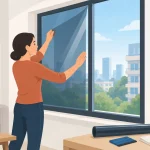
Installation quality also affects performance and appearance. Premium film needs clean preparation, precise cutting, careful edge finishing, and proper curing time. Small details such as dust control, glass inspection, and the treatment of window seals influence the final result. A professionally installed film should look integrated with the glass, not like a temporary layer added after the fact.
A Practical Choice for Sun-Exposed Windows
If your priority is maximum UV protection with minimal visual change, choose a premium clear UV window film rated to reject up to 99% of UV rays. If your room also suffers from solar heat and harsh glare, choose a high-performance solar film with the same UV protection plus stronger solar control.
For homeowners and business operators, the decision is ultimately about protecting comfort as well as finishes. ShieldShade International helps customers compare film performance against the actual conditions of their windows, from direct afternoon exposure to privacy needs in closely built-up areas. The goal is not simply darker glass. It is a better-performing space that still looks and feels right for everyday use.
Before making a selection, look at the sunlight pattern in the room, not just the window size. The right UV-blocking film should protect what matters inside while allowing you to enjoy the view outside.