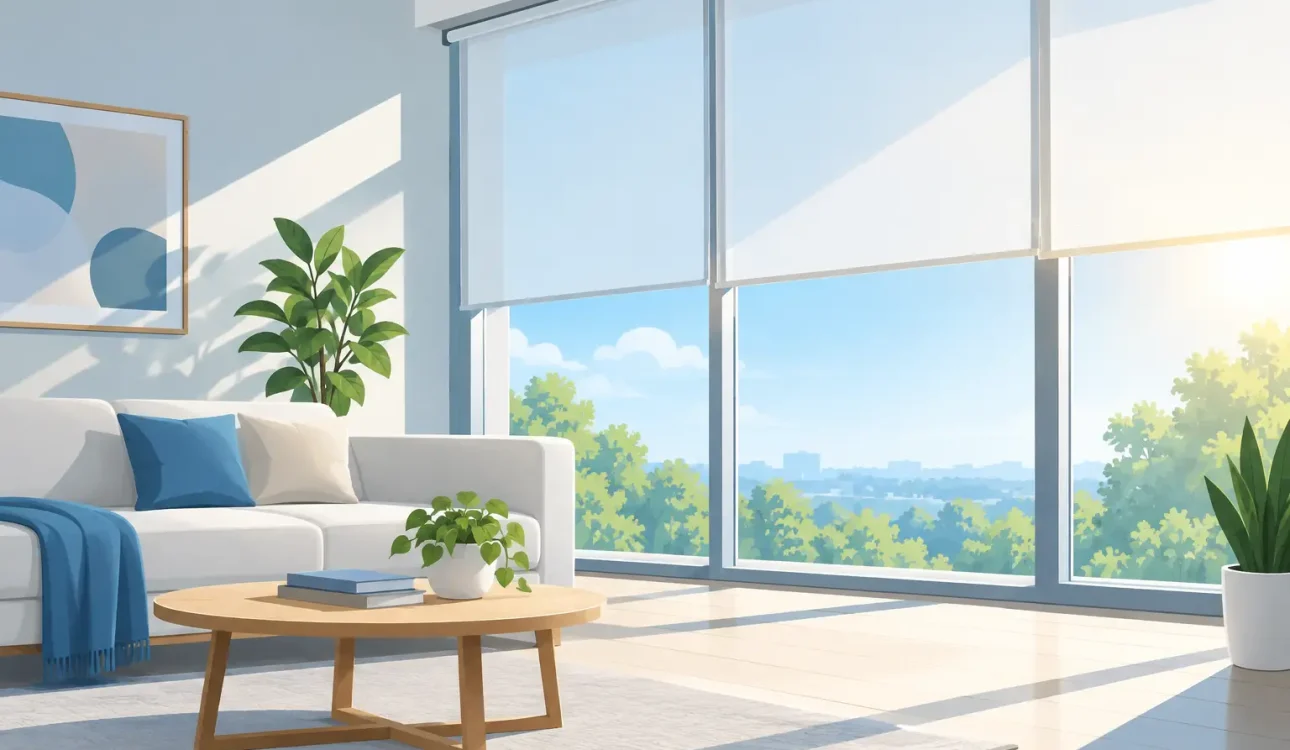
A west-facing living room can look inviting at 4 p.m. and become nearly unusable by 5 p.m. The television screen washes out, the floor feels hot underfoot, and blinds need to stay closed just to make the space comfortable. This daylight control guide explains how to keep the benefits of natural light while reducing the heat, glare, fading, and privacy concerns that often come with large windows.
For homes, apartments, offices, and retail spaces with strong sun exposure, daylight control is not about making rooms dark. It is about shaping the light that enters so your space remains comfortable, functional, and visually appealing throughout the day.
What Daylight Control Really Means
Daylight control is the management of sunlight entering through glass. It considers visible light, solar heat, ultraviolet radiation, glare, and sightlines from outside. The right solution depends on how each window is used, where it faces, the type of existing glass, and whether your biggest concern is comfort, privacy, energy use, or appearance.
A common mistake is treating every bright window as the same problem. A bedroom facing a neighboring building needs a different approach from an office conference room with afternoon glare. A storefront may need clear visibility from the street, while a bathroom needs complete privacy without losing all daylight.
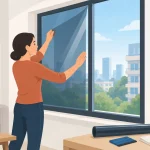
Window film is one of the most practical daylight-control upgrades because it works with existing glass. Rather than replacing windows or relying entirely on curtains and blinds, film can reduce solar impact at the glass itself. That means the room can stay brighter and more open while gaining meaningful protection from heat and glare.
Daylight Control Guide: Assess Each Window First
Before choosing a film, spend a few days observing the room. Notice when direct sun enters, which seats receive glare, and whether the space feels warm even when air conditioning is running. The direction of the window matters, but so do nearby buildings, balconies, trees, and reflected sunlight from surrounding glass or concrete.
East-facing windows often create strong morning brightness. West-facing windows tend to produce the most intense late-day heat and glare. South-facing exposure can deliver prolonged daylight in many locations, while north-facing glass may receive softer light but still create privacy or reflection issues. In dense urban environments, reflected sun can make a window feel far more exposed than its orientation suggests.
Also consider what is behind the glass. Dark flooring, leather furniture, wood finishes, artwork, and merchandise can all fade or deteriorate under prolonged UV exposure. A bright room may look attractive at first, but excessive sunlight can shorten the life of furnishings and force occupants to close the curtains for much of the day.
Balance Visible Light, Heat Rejection, and Privacy
The best daylight-control solution is rarely the darkest film available. Darker film can reduce brightness and improve privacy, but it may also change the appearance of the glass and make a room feel too dim on cloudy days. A high-performing film should be selected for the balance it provides, not only for its tint level.
Visible light transmission, often called VLT, indicates how much visible light passes through the glass and film. A higher VLT keeps a room brighter. A lower VLT provides more shading and often stronger daytime privacy. Neither is automatically better. A home office may need a lighter solar film to preserve daylight for work, while a media room may benefit from a darker option that controls screen glare.
Solar heat rejection is equally important in hot, sunny climates. Premium solar films can reduce the amount of solar energy entering through the window, helping rooms feel less exposed to direct sun. This can ease the burden on cooling systems, although results depend on the size of the glass area, the building’s insulation, the existing window type, and how the space is used.
UV rejection is another key benefit. Quality window films can block a high percentage of ultraviolet radiation, helping protect furnishings, flooring, displays, and skin from the effects of prolonged exposure. UV protection is valuable, but it should not be the only specification considered. Heat, glare, visible light, and appearance must work together.
Privacy requires its own discussion. Reflective and one-way films can offer daytime privacy when the outside is brighter than the interior. At night, that effect reverses if indoor lights are on. For bedrooms, bathrooms, meeting rooms, or ground-floor windows where privacy is needed around the clock, frosted or blackout film may be the more dependable choice.
Match the Film to the Space
Solar window film is often the strongest all-around choice for living rooms, kitchens, workspaces, and offices with harsh sun. It can reduce heat and glare while retaining a clear outward view. Modern films are available in different shades and finishes, allowing property owners to prioritize a brighter interior or a more shaded, reflective look.
For rooms overlooked by close neighbors, frosted film can provide privacy while still allowing diffuse daylight through. It works especially well on bathroom windows, interior glass partitions, and areas where you want brightness without visibility. Decorative films can create a similar effect while adding pattern, branding, or a more defined interior style.
Blackout film serves a different purpose. It is designed for complete visual blocking and is useful for storage rooms, selected glass panels, server areas, or spaces where light exclusion is required. It should not be used as a general daylight-control solution in occupied rooms unless complete darkness is the actual goal.
In commercial settings, a single office may need more than one film type. Reception glass may benefit from a lightly tinted solar film, meeting-room partitions may need frosted privacy film, and a street-facing display may require a clearer film that protects merchandise without hiding it from customers. A professional assessment prevents a one-size-fits-all selection that compromises comfort or design.
Do Not Rely on Blinds Alone
Blinds and curtains are useful, but they address sunlight after it has passed through the glass. By that point, much of the solar energy has already entered the room. Closing blinds can also remove the natural light and view that made the window valuable in the first place.
Window film and window coverings often work best together. Film provides everyday heat, UV, and glare reduction without changing your routine. Curtains or blinds can then be reserved for moments when you need additional darkness, privacy, or screen control. This layered approach is particularly effective in bedrooms, home theaters, executive offices, and rooms with large expanses of glass.
Installation Quality Affects Long-Term Performance
Even premium film will not perform or look its best if it is poorly installed. Dust, trapped moisture, uneven edges, and incorrect film selection can affect appearance and durability. Large glass panels, older windows, textured glass, and windows with existing coatings may require extra evaluation before installation.
A proper consultation should include the condition of the glass, the window’s exposure, the room’s intended use, and the desired finish from both inside and outside. It should also account for glass compatibility. Some film-and-glass combinations can increase thermal stress, so professional recommendations matter, especially for insulated glass units, large panels, or existing specialty glazing.
ShieldShade International approaches daylight control as a performance decision, not simply a tint choice. With premium films sourced from established international manufacturers and installation experience across residential and commercial spaces, the goal is to recommend a solution that works in real daily conditions.
Maintain the View You Paid For
After installation, film needs a curing period before it reaches its final appearance. Depending on weather and film type, temporary haze or small moisture pockets may be visible while the mounting solution dries. This is normal and should not be mistaken for a defect.
Once cured, clean filmed glass with a soft cloth or rubber squeegee and a mild, non-abrasive cleaning solution. Avoid rough pads, abrasive powders, and sharp tools near the edges. Simple care helps maintain clarity, appearance, and long-term performance.
The right daylight-control plan lets you use your windows on your terms: bright when you want light, comfortable when the sun is strongest, and private when your space calls for it. Start with how each room feels at its most exposed hour, then choose a film that improves that specific experience without taking away the view.