A west-facing rental window can turn a comfortable room into a hot, glaring space by midafternoon. If curtains make the room feel dark and the air conditioner is working overtime, it is reasonable to ask: can tenants install window film? In many rentals, the answer is yes, but only after checking the lease, the building rules, and the type of film being considered.
Window film can be a practical upgrade for renters who want better heat control, daytime privacy, glare reduction, or a more polished look without replacing glass. The right product can improve everyday comfort while preserving the window and your security deposit. The wrong product, or an installation done without approval, can create friction with a landlord and may even put certain insulated glass units at risk.
Can Tenants Install Window Film Without Permission?
Do not assume that a removable film is automatically permitted. A lease may classify window film as an alteration, particularly if it changes the building’s exterior appearance or is applied directly to the glass. Apartment communities, condominiums, and managed buildings may also have separate rules covering reflective finishes, visible shades, and work performed on exterior-facing windows.
Read the lease language on alterations, fixtures, window coverings, and restoration obligations. If the wording is broad or unclear, request approval in writing before installation. Describe the film accurately: whether it is removable, its color or reflectivity, which windows it will cover, and whether a qualified installer will perform the work.
Written approval protects both parties. It gives the property owner confidence that the upgrade will not damage the glass or disrupt the building’s appearance. It also gives the tenant a clear record of what must be removed, if anything, when the tenancy ends. Verbal permission can be forgotten when property managers change.
There are situations where approval is especially necessary. Historic properties, buildings with uniform exterior façades, and leases governed by a homeowners association often impose tighter controls. A mirrored one-way film may look acceptable from inside but can be highly visible from the street or neighboring units during daylight. In those cases, a low-reflectivity solar film or interior frosted film may be the more acceptable choice.
Why the Type of Window Film Matters
Not all window film performs the same way, and not all films suit every piece of glass. Tenants should select a product based on the problem they are solving, not simply the darkest shade available.
Solar window film is often the strongest option for sunny rooms. Quality solar films can reduce solar heat, harsh glare, and UV exposure while allowing useful natural light into the space. This is particularly valuable in warm, high-sun climates, where renters may be trying to improve comfort without making permanent renovations. A light, spectrally selective film can deliver meaningful heat rejection with a more natural view than a heavily tinted product.
Privacy and blackout films serve a different purpose. Frosted film is well suited to bathroom windows, sidelights, glass partitions, and lower-level windows where privacy is the priority but daylight is still welcome. Blackout film offers maximum visual screening but will reduce daylight significantly, so it works best for a bedroom, media room, or a window facing an unwanted view.
Decorative films can give plain glass more character, while one-way reflective films can improve daytime privacy. The important limitation with one-way film is lighting. It works when the exterior side is brighter than the interior side. At night, with lights on inside, that effect reverses. Tenants who need round-the-clock privacy should pair a suitable film with blinds or curtains rather than relying on reflectivity alone.
Check the Glass Before Choosing a Film
The most important technical question is not whether the film is peel-and-stick. It is whether the film is compatible with the existing glass.
Some windows use insulated glass units, tempered safety glass, low-emissivity coatings, laminated glass, or older panes with unknown condition. Dark or highly heat-absorbing film can increase thermal stress in certain glass types. That stress may raise the chance of cracking, particularly where windows receive strong direct sun, have partial exterior shading, or already contain small edge defects.
This does not mean renters should avoid solar film altogether. It means film selection should be deliberate. A professional assessment considers the glass construction, window orientation, frame condition, sun exposure, and desired appearance before recommending a film. Premium films sourced for high-performance applications are engineered differently from inexpensive decorative sheets, and that difference matters over time.
Ask the landlord or manager if they can confirm the window specifications. If they cannot, an experienced window film specialist can often assess the glass and identify safer options. Avoid applying film over cracked panes, deteriorating seals, or damaged glass. Film is an enhancement, not a repair for an existing window problem.
Removable Film vs. Professionally Installed Film
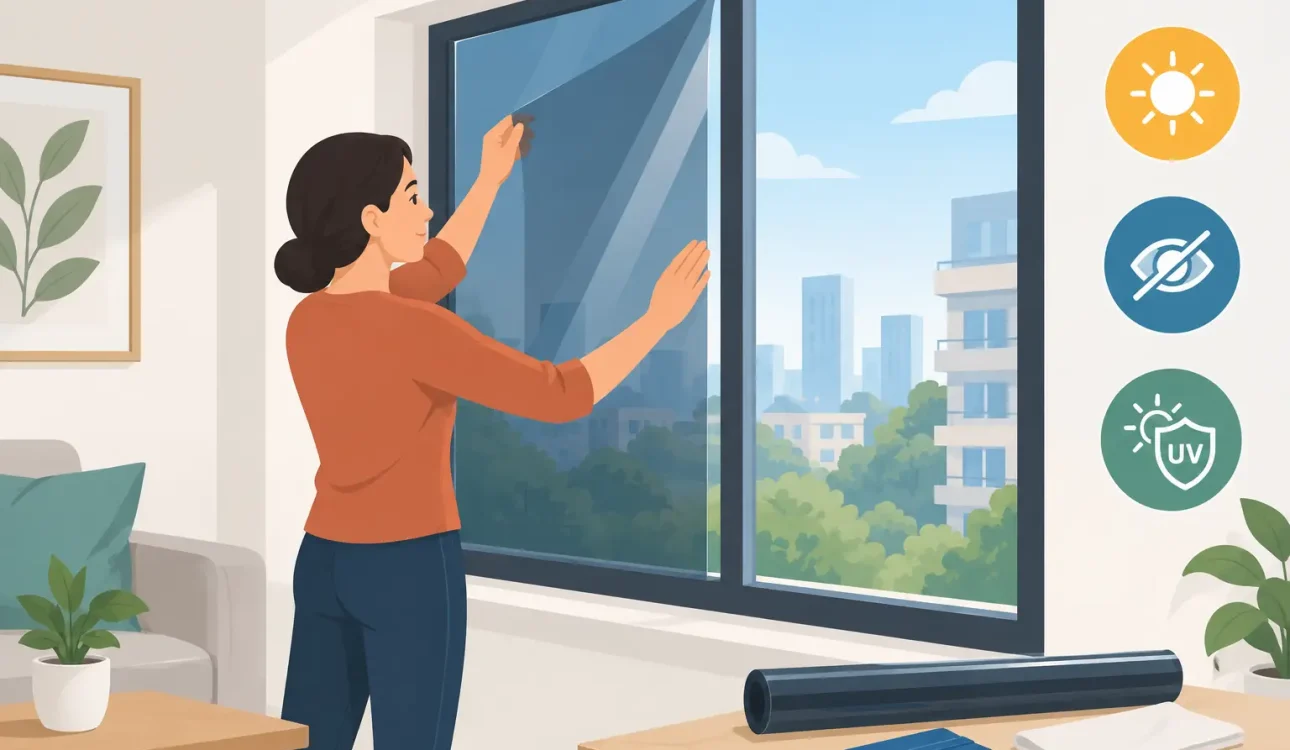
Renter-friendly, removable window film has clear appeal. It can be installed without adhesive residue in many cases, costs less upfront, and gives tenants a straightforward exit strategy. For small bathroom panes or a temporary privacy need, it may be entirely appropriate.
The trade-off is performance and finish. Lower-cost removable films may bubble, shrink, discolor, or lift at the edges, especially in rooms with intense sun or humidity. Their heat-rejection performance is also often limited compared with professionally specified solar films. A poor installation can leave visible gaps, trapped debris, and an uneven appearance that a property manager may notice during inspection.
Professionally installed film is usually a better choice for large, highly visible windows or rooms with serious heat and glare problems. Installation quality affects how the film looks, how well it bonds, and how easily it can be removed later if the lease requires it. A specialist can also document the product, confirm glass compatibility, and advise on care requirements.
For a longer tenancy, the value can be compelling. A higher-quality solar film may make a home office, living room, or bedroom noticeably more comfortable every day. If you expect to move soon, a removable option may be more sensible. The best decision depends on the length of the lease, the lease terms, the condition of the windows, and the comfort problem you need to solve.
A Practical Approval Plan for Renters
Approach the conversation with the landlord as a property-protection decision, not just a decorating request. Explain the benefit you are seeking, whether that is reduced glare at a workstation, added bathroom privacy, or less afternoon heat in a sun-facing room. Then explain that the chosen film is designed for interior application and can be removed according to the agreed move-out terms.
Provide the product details, including the intended color, visible appearance from outside, and whether it is designed for solar control, privacy, or decoration. If professional installation is planned, state that the glass will be assessed first and that the installation will follow the manufacturer’s recommendations. Offer to restore the window at move-out if required.
Keep copies of the approval, invoice, product specifications, and before-and-after photos. These records are useful if there is a later question about condition or removal. They also help distinguish normal film removal from unrelated glass damage that may have existed beforehand.
Protect Your Deposit During Installation and Removal
Once approval is secured, clean glass and careful preparation make a major difference. Do not apply film over dust, paint overspray, old adhesive, or silicone residue. Avoid cutting directly against the glass without proper tools, since scratches around the edges can become a costly dispute.
After installation, allow the film to cure as directed. Some temporary haziness or small water pockets can occur during the curing period, especially with professionally applied film. Do not scrub the film with abrasive pads or harsh cleaners. Use a soft cloth and an ammonia-free cleaner when the film manufacturer recommends it.
When moving out, do not rush removal. Start at a corner, peel steadily, and use a film-safe adhesive remover only where appropriate. If the lease requires a pristine restoration or the film has been in place for years, professional removal can be the safest route. It reduces the risk of scratched glass, leftover adhesive, and an avoidable deposit deduction.
A rental should still feel like home. With written permission, the right film, and a glass-compatible installation plan, tenants can improve comfort and privacy without making a decision they will regret at move-out. Choose performance that fits the room, protect the property as carefully as your own belongings, and enjoy a better view while you live there.