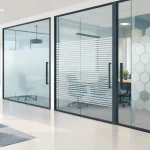

When the afternoon sun turns perimeter desks into the least desirable seats in the office, the air-conditioning system is already working harder than it should. Effective office cooling cost reduction is not only about setting a higher thermostat temperature or replacing HVAC equipment. It starts by controlling solar heat before it passes through the glass.
For offices with large windows, sun-facing meeting rooms, or glass partitions exposed to strong daylight, solar window film can be a practical upgrade. It helps manage heat, glare, and UV exposure without the disruption and expense of replacing existing glazing. The result is a more comfortable workspace and a cooling strategy that supports the building’s equipment rather than asking it to solve every heat problem on its own.
Why Glass Has Such a Large Effect on Cooling Costs
Windows bring in daylight and views, both of which matter in a productive office. They can also admit a significant amount of solar energy. Once that energy enters through untreated glass, it is absorbed by floors, furniture, walls, and equipment, then released into the room as heat. Your HVAC system must remove that heat to maintain the selected indoor temperature.
This effect is especially noticeable in offices with west-facing or east-facing glass. Morning and late-afternoon sun can create localized hot spots long before the rest of the floor feels warm. Employees closest to the windows may lower blinds, move seats, or request colder air, while employees farther inside the office begin to feel too cold. That uneven comfort is a common sign that solar gain, not simply the thermostat setting, needs attention.
Solar control window film is applied directly to existing glass. Depending on the selected film, it can reject a substantial portion of solar heat while preserving useful daylight. This reduces the heat load reaching the interior, allowing the air-conditioning system to operate under less pressure during peak sun hours.
Office Cooling Cost Reduction Begins With the Right Film
Not every window film is designed for the same purpose. A film selected only for appearance may not deliver the heat-control performance a sun-exposed office needs. The right choice depends on the glass type, window orientation, working hours, interior layout, and how much natural light the space should retain.
Understand the Performance Measures
For office cooling cost reduction, look beyond a film’s shade or reflectivity. A specialist should explain the numbers that affect real-world performance.
Total solar energy rejected indicates how much of the sun’s energy the window system can keep from entering the space. A higher value generally means better heat rejection, although results also depend on the existing glass.
Visible light transmission describes how much natural light passes through the film. A lower visible light transmission can improve glare control and heat management, but an overly dark film may make a workspace feel enclosed or require more artificial lighting.
Glare reduction is particularly relevant for offices using monitors, presentation screens, and video conferencing areas. A bright view can be pleasant, but direct reflected light on a screen creates eye strain and makes work harder than it needs to be.
UV rejection helps protect furnishings, flooring, display materials, and merchandise near windows. UV protection is not the same as heat rejection, so it should be considered as one part of the overall specification.
A high-performing solar film is usually a better long-term decision than choosing the darkest possible option. The goal is balanced performance: less heat and glare, sufficient daylight, an appearance that suits the building, and compatibility with the existing glazing.
Match the Film to Each Exposure
A uniform film across every pane may be right for some offices, but it is not always necessary. West-facing windows often need the strongest solar control because they receive intense late-day sun when indoor heat has already accumulated. East-facing windows may benefit from glare control in the morning. South-facing and north-facing exposure will vary by building design, neighboring structures, and local conditions.
Meeting rooms with display screens may prioritize glare reduction. Reception areas may need solar performance while maintaining an open, welcoming view. Private offices and rooms facing nearby buildings may benefit from a combination of solar and privacy considerations. A site assessment helps identify where higher-performance film will have the greatest effect.
Reduce Heat Without Sacrificing the Workplace Experience
Blinds and curtains can block sunlight, but they often remove the daylight and views that make an office feel more open. They also do little to stop heat once it has already passed through the glass. Solar window film works at the window, helping control incoming solar energy before it becomes a cooling burden.
That does not mean blinds have no role. In spaces with direct low-angle sunlight, adjustable shades can complement window film. The film handles day-to-day solar control, while shades provide an additional layer when sunlight is unusually intense. This combined approach can be useful in boardrooms, executive offices, and rooms with large presentation displays.
Appearance is another consideration. Reflective films can offer strong heat rejection and daytime privacy, but they may change the exterior look of the building and can create a more mirrored interior view after dark. Neutral films are often preferred where a more natural glass appearance is important. The best option depends on performance requirements, building guidelines, and the experience you want staff and visitors to have.
Installation Quality Protects the Investment
Window film is a technical building upgrade, not simply a decorative application. Glass type matters. Tempered, laminated, insulated, coated, and older glass can each have different compatibility requirements. Applying an unsuitable film can increase thermal stress in certain glazing conditions, which is why professional assessment is essential.
A qualified installer should inspect the glass, confirm the intended use of the room, evaluate sun exposure, and recommend an appropriate film construction. Precision installation also matters for a clean finish, durable adhesion, and consistent performance across a large office frontage.
For occupied offices, installation planning is just as important as product selection. Work may need to be scheduled around meeting rooms, reception traffic, confidential areas, and operating hours. A professional team can sequence the project to reduce disruption, protect surrounding surfaces, and leave the workplace ready for use.
At ShieldShade International, recommendations are based on the specific demands of the glass and the space, with premium film options sourced for demanding tropical conditions. That experience matters when an office needs measurable heat control without compromising its professional appearance.
Pair Window Film With Smarter Cooling Operations
Solar film can reduce the amount of heat entering an office, but it performs best as part of a wider efficiency plan. Once heat gain is better controlled, facilities teams may find it easier to address persistent comfort complaints and avoid unnecessarily aggressive cooling in one part of the floor.
Review thermostat zones after installation. If a previously hot perimeter area becomes more stable, it may no longer need the same cooling response. Keep air vents clear, maintain filters, and check whether furniture placement blocks airflow near windows. These operational details influence whether the benefits of solar control are felt consistently by employees.
Lighting also deserves attention. If the film maintains useful daylight, lights near windows may not need to run at full output throughout the day. Occupancy sensors and daylight-responsive controls can strengthen the savings, although the suitability depends on the office layout and local lighting requirements.
It is wise to set realistic expectations. Window film will not correct an undersized HVAC system, poor insulation, malfunctioning controls, or heat generated by crowded equipment rooms. What it does is reduce one of the most predictable and preventable sources of cooling load: sunlight through glass.
How to Decide Whether Your Office Is a Good Candidate
An office is often a strong candidate for solar window film when employees regularly complain about warm window-side seating, blinds remain closed for much of the day, screens suffer from glare, or cooling demand rises sharply in sunny periods. Fading furnishings near windows and uncomfortable meeting rooms are further clues that the glass is admitting more solar energy than the space can comfortably manage.
Before selecting a film, document which areas are affected, at what time of day, and during which seasons. Note whether the issue is heat, glare, privacy, fading, or a combination. This gives the installer a clearer starting point and helps avoid paying for features that do not address the actual problem.
The most valuable upgrade is not necessarily the darkest or most reflective film. It is the one that fits the glass, the orientation, the work performed near the windows, and the level of comfort your team expects. A properly specified solar film can turn harsh sun-facing glass from a daily operating cost into a more manageable part of an efficient, comfortable office.