
A bright street-facing window can bring customers through the door, but it can also turn a carefully planned display into a faded, overheated problem. Knowing how to shield storefront displays means protecting merchandise and fixtures from direct sun while keeping the glass attractive enough to do its job: make people stop, look, and walk in.
For retailers, showrooms, salons, clinics, and offices with visible displays, the answer is rarely to block every ray of light. The better approach is to control heat, glare, ultraviolet exposure, and unwanted visibility without sacrificing the clear, polished storefront that supports your brand.
Start with what is damaging the display
Sun damage is not one issue. It is a combination of ultraviolet rays, visible light, and solar heat passing through glass. UV exposure is a major cause of fading in fabrics, packaging, paper signage, flooring, artwork, and display materials. Visible light can also contribute to fading over time, especially where merchandise is in the same sunny position day after day.
Heat creates a separate set of problems. A display window that receives strong afternoon sun can make products uncomfortable to handle, soften delicate materials, strain nearby air conditioning, and create hot spots that affect staff and customers. Then there is glare. Even if your merchandise is technically visible, reflections on the glass may make it difficult for passersby to see what you are selling.
Before choosing a solution, observe the storefront for several days. Note when sunlight hits the glass, whether the issue is strongest in the morning or afternoon, and which products are exposed. A west-facing display usually needs more heat and glare control than a shaded frontage, while a boutique with light-sensitive fabrics may prioritize UV protection and color preservation.
How to shield storefront displays without hiding them
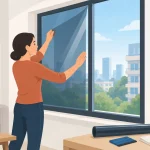
Window film is often the most practical starting point because it upgrades existing glass without a major storefront renovation. A quality solar film can reject a substantial portion of solar heat, filter UV rays, and reduce harsh glare while allowing useful daylight to enter.
The right film depends on the look and function of the window. A lightly tinted or spectrally selective solar film is often a strong choice for retailers that want a bright, open appearance. These films are designed to reduce heat while maintaining higher visible light transmission, so shoppers can still see displays from the sidewalk.
If the glass receives intense direct sun, a more reflective film may offer stronger daytime heat and glare reduction. This can be effective for electronics stores, furniture galleries, fitness studios, and other businesses with large expanses of glass. The trade-off is appearance: higher reflectivity can create a more mirrored exterior and may reduce the visual connection between customers outside and merchandise inside.
For businesses displaying premium goods, one-way reflective film can also add daytime privacy. It helps limit views into the premises when exterior light is brighter than interior light, while allowing staff to see outward. At night, that effect changes when indoor lighting becomes stronger, so it should not be treated as a complete security or privacy solution after dark.
Match the film to the glass and the display
A window film should be selected as part of the whole storefront, not from a color sample alone. Glass type, window orientation, facade design, interior lighting, local building requirements, and the products on display all influence the right specification.
For example, darker films can lower glare effectively, but they may make a small shop feel less inviting if daylight is already limited. Very reflective films can improve solar performance but may conflict with an upscale, transparent retail concept. Frosted and decorative films add privacy or visual branding, yet they are better applied strategically to lower panes, side panels, or non-display sections rather than across the full merchandising window.
Glass compatibility matters as well. Certain film-and-glass combinations can increase heat absorption and thermal stress. That does not mean film is unsuitable for sun-facing glass. It means a professional assessment is needed to select a compatible product and install it correctly. An experienced specialist will review the glass construction, any existing coatings, the window frame, and the amount of direct solar exposure before recommending a film grade.
Use layout changes to reduce concentrated exposure
Even a high-performance film works best alongside a sensible display plan. Move highly light-sensitive products away from the exact path of direct sunlight whenever possible. Rotate garments, printed materials, leather goods, cosmetics, and delicate packaging so one item is not absorbing the same daily exposure for months.
Avoid placing a single spotlight directly behind glass where it can combine with solar heat. Use LED lighting with controlled beam angles, and position it to illuminate merchandise rather than create a second reflective surface on the window. Lighter-colored display backdrops can help make products stand out without requiring excessive interior lighting.
If your storefront has deep window bays, consider a layered setup: use the front area for durable feature pieces and position more sensitive stock farther back. This preserves visual impact while reducing the cumulative effect of sun exposure. A simple rearrangement can also reduce reflection by changing the angle at which products face the glass.
Add physical shading where it makes commercial sense
Exterior awnings, canopies, and architectural fins can reduce direct solar load before it reaches the glass. They are especially useful for storefronts that experience severe midday or late-afternoon sun. Unlike interior blinds, exterior shading blocks sunlight before the glass heats up.
However, these options involve facade permissions, structural considerations, maintenance, and a larger investment. They may not suit leased retail units, malls, or buildings with strict design rules. Interior roller shades are easier to add, but when they are down, they can obscure the display that is meant to attract customers.
That is why many businesses use window film as the continuous baseline solution, then add shading only where exposure is extreme. Film protects throughout business hours without staff needing to adjust it, and it does not interrupt the storefront presentation.
Do not confuse display protection with security film
Security film and solar film may look similar once installed, but they solve different problems. Solar film is selected primarily for heat rejection, glare control, UV filtering, and comfort. Security film is designed to help hold broken glass together under impact, depending on its thickness, attachment system, and installation method.
A business that needs both solar control and added glass retention should discuss both goals at the outset. In some cases, a combined strategy is possible. In others, separate products or installation approaches are more appropriate. Treating one type of film as a substitute for the other can leave a storefront underprotected in the area that matters most.
Installation quality protects the investment
The performance of window film depends on more than the product itself. Poor preparation, incorrect trimming, contamination under the film, or careless edge finishing can affect appearance and longevity. This is particularly visible on retail glass, where every bubble, lifted edge, or uneven line becomes part of the customer’s first impression.
Professional installation begins with a clean glass surface and accurate measurements. The installer should also account for mullions, door hardware, existing decals, display lighting, and access during business hours. For occupied stores, scheduling matters. A careful team can plan work to minimize disruption and ensure the film has appropriate curing time before the glass is cleaned or decorated.
ShieldShade International approaches commercial film selection as both a performance and presentation decision. The aim is not simply darker glass. It is a storefront that stays more comfortable, protects what is inside, and still gives customers a clear reason to look closer.
Keep the storefront performing over time
After installation, use a soft cloth or rubber squeegee with a film-safe cleaning solution. Avoid abrasive pads, harsh solvents, and blades that can scratch the surface or damage edges. Newly installed film may appear slightly hazy or show small moisture pockets while it cures, particularly in humid conditions. This usually clears as the adhesive fully settles.
Review the display seasonally. Sun angles change throughout the year, and a layout that performs well in one season may develop glare or hot spots in another. If a particular section continues to fade faster than expected, it may need a different film grade, added shading, or a new display position.
Your storefront should sell your products, not slowly wear them out. Choose a shielding strategy that respects both visibility and protection, then let the window work harder for your business every day.