If your afternoon sun turns one room into a hot spot, your AC runs longer than it should, or your windows feel a little too exposed, the question gets practical fast: is window film worth it? For many homeowners and businesses, it is – but only when the film matches the glass, the problem, and the space.
That distinction matters because window film is not one product with one result. Some films are built to reject solar heat. Some are designed for privacy. Others cut glare, block UV, add decoration, or help darken a room. The value comes from choosing the right type for the right job, then having it installed correctly.
Is window film worth it in real-world use?
In real-world use, window film often pays off in comfort before it pays off in direct savings. That may sound less dramatic, but for most property owners, it is the main reason they decide to install it. A living room that stays cooler in the late afternoon, a workstation without harsh glare on the screen, or a bathroom window that feels private without heavy coverings can change how a space feels every day.
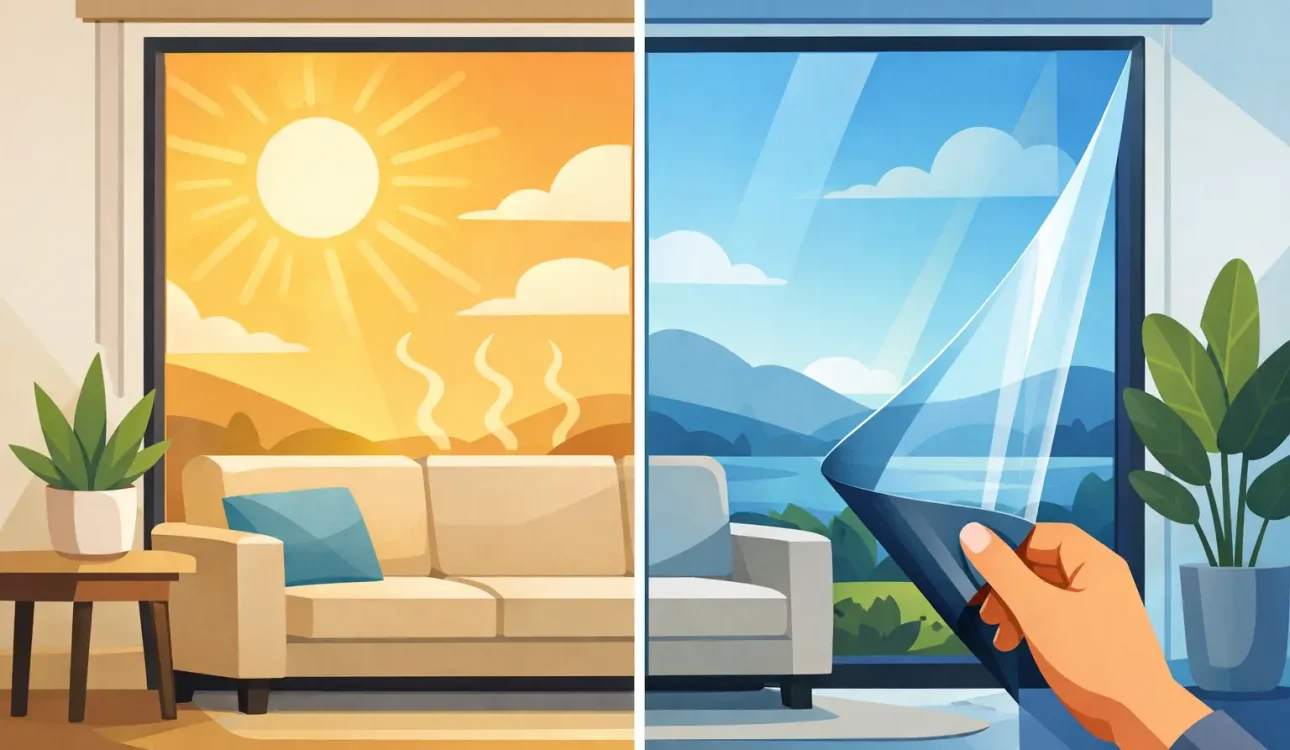
In hotter climates, solar film is usually the strongest value. It helps reduce heat gain through glass, which can ease the burden on cooling systems and make rooms near windows more usable. If you have large west-facing windows or a top-floor unit that takes intense sun, the difference can be noticeable.
The UV benefit is another reason many people find window film worth it. Good-quality film can block a high percentage of UV rays, helping protect flooring, curtains, furniture, and artwork from premature fading. That does not always show up on a utility bill, but it protects the interior you already invested in.
Privacy films add a different kind of value. In dense neighborhoods, condos, and street-facing offices, privacy is not a luxury – it is part of comfort. Frosted, blackout, or reflective options can improve privacy without replacing the glass or starting a larger renovation.
Where window film makes the most sense
Window film tends to deliver the best return in spaces with a clear, repeatable problem. If a room is consistently too bright, too hot, or too exposed, film can solve that issue with less cost and disruption than replacing windows.
Homes with strong sun exposure are a good example. Bedrooms that heat up too quickly, kitchens with intense afternoon glare, and living areas with large glass panels are all common candidates. HDB units, condos, and landed homes can all benefit, especially where direct sun and close neighboring windows create both heat and privacy concerns.
Offices are another strong use case. Employees sitting near untreated glass often deal with glare, uneven temperatures, and visual discomfort. Solar and glare-control films can improve usability of the space while maintaining a clean, modern appearance.
Retail and commercial environments also benefit when film helps preserve products, reduce harsh interior lighting conditions, or create private meeting areas with frosted finishes. In these settings, the value is often operational as much as visual.
When is window film worth it less than people expect?
This is where honest evaluation matters. Window film is effective, but it is not a cure-all.
If your main issue is poor insulation from old frames, major air leaks, or damaged seals, film may help with solar heat and glare, but it will not fix broader window performance issues. If you expect a dramatic drop in cooling bills from every type of film on every type of window, you may be disappointed. Results depend on sun exposure, glass orientation, existing glazing, and the performance grade of the film itself.
There is also a design trade-off. Some heat-rejecting films are more reflective or tinted than others. That can be a benefit if you want daytime privacy and reduced brightness, but less ideal if you prefer a very clear natural view. Higher-end films often do a better job of balancing visibility and performance, which is why product quality matters.
Nighttime privacy is another point that gets misunderstood. One-way reflective film can help in daytime conditions when it is brighter outside than inside. At night, if your interior lights are on, the effect changes. If full privacy is the goal around the clock, frosted or blackout film may be a better fit.
What decides whether window film is worth it?
The biggest factor is fit. A well-chosen film can perform exactly as needed. A poorly matched film can leave you with weaker results, aesthetic issues, or even compatibility problems with the glass.
Glass type matters more than many buyers realize. Not every film should be applied to every pane. Tempered glass, double-glazed units, laminated glass, and specialty coatings can all affect film selection. The wrong combination can increase thermal stress and create risk. That is why professional assessment is not just about convenience – it protects performance and safety.
Film quality also makes a major difference. Lower-grade products may discolor, bubble, peel, or lose effectiveness faster. Premium films from established manufacturers typically offer more stable performance, better optical clarity, and stronger long-term durability. If you are comparing prices, this is where the gap often comes from.
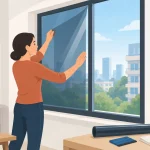
Installation is the other half of the equation. Even a high-performance film can underdeliver if the installation is imprecise. Clean edges, proper adhesion, and correct application all affect appearance and lifespan. A professional installer should also advise on what is realistic for your glass and your goals, rather than simply selling the darkest or cheapest option.
Is window film worth it compared with replacing windows?
In many cases, yes. If your existing glass is in good condition, window film is usually a more cost-effective upgrade than full window replacement. It gives you a way to improve heat control, glare reduction, and privacy without construction work, frame removal, or the price tag of new glazing systems.
That is one of the biggest reasons film is popular with homeowners and property managers. It addresses common glass-related problems quickly and with minimal disruption. For occupied homes and active offices, that convenience matters.
Replacement may make more sense if the windows are failing structurally or if the entire glazing system is outdated and underperforming. But when the goal is targeted improvement rather than full reconstruction, film is often the smarter step.
Which type of film offers the best value?
The best value depends on the problem you are trying to solve.
Solar film usually offers the broadest everyday benefit because it tackles heat, glare, and UV together. For many homes and offices, that makes it the most practical starting point. Privacy film delivers strong value in overlooked areas like bathrooms, entry glass, street-facing windows, and partitions. Frosted decorative film is especially useful when you want privacy without making a space feel closed in.
Blackout film fits spaces where light control is the priority, such as bedrooms, AV rooms, or storage areas. Reflective film can be effective where daytime privacy and a sharper exterior look are desired. Decorative film tends to be less about thermal performance and more about appearance, branding, or soft visual separation.
A specialist with experience across multiple film categories can help narrow this down quickly. That matters because buying based on appearance alone often leads to the wrong result.
The cost question behind “is window film worth it”
Most people asking is window film worth it are really asking whether the benefits justify the cost. The answer depends on how you define value.
If you only measure it by direct energy savings, the payoff may vary. If you include comfort, reduced glare, added privacy, UV protection, and avoiding a larger renovation, the value is easier to see. Window film improves the way a space performs day after day, and that daily benefit is what many buyers appreciate most after installation.
There is also the matter of preserving what you already own. Sun damage to floors, furniture, and finishes is gradual, but expensive over time. A quality film helps reduce that exposure quietly in the background.
For buyers in hot, bright, urban environments, that combination of comfort and protection is often enough to make the investment worthwhile. Companies like ShieldShade International focus on matching film performance to climate, glass type, and use case for exactly this reason.
The smartest way to judge window film is not by asking whether it works in general. Ask whether it solves your specific problem better than the alternatives. If the issue is heat, glare, UV, or privacy through existing glass, a well-selected window film is often one of the simplest upgrades that keeps paying you back in comfort.