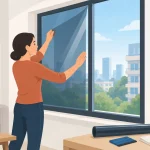
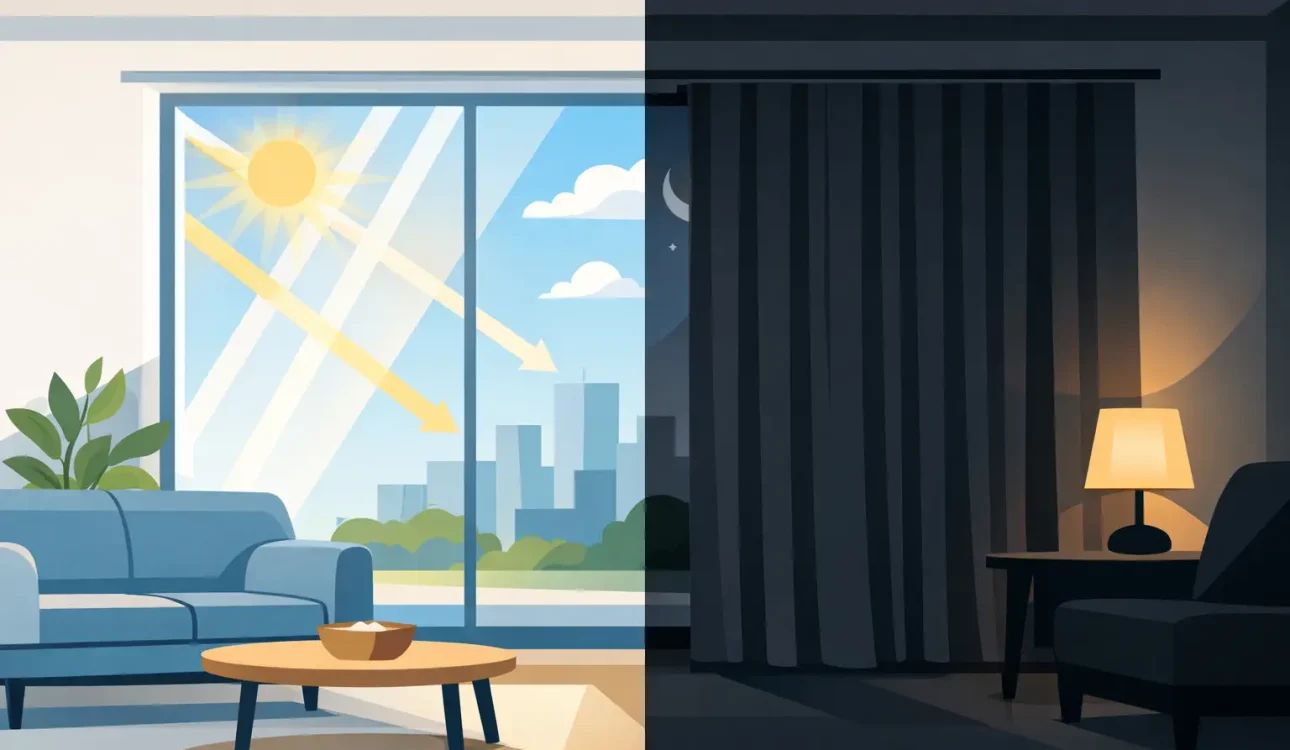
A west-facing living room can feel pleasant at 9 a.m. and unbearable by midafternoon. A bedroom may have plenty of glass but too little privacy from the neighboring block. These are different problems, which is why the choice between reflective film vs blackout should not come down to appearance alone. One option manages sun while preserving a view; the other prioritizes full visual separation and darkness.
For homes and businesses in warm, high-sun environments, the right film can improve daily comfort without replacing existing glass. The best choice depends on whether your priority is heat rejection, glare control, daytime privacy, room darkening, or concealing a space completely.
Reflective Film vs Blackout: The Core Difference
Reflective window film is designed to manage sunlight. It uses a reflective or metallized surface to reduce solar heat, glare, and UV exposure while allowing varying levels of visible light into the room. From the brighter side of the glass, it often creates a mirror-like effect that provides daytime privacy. From inside, occupants can usually still see outside.
Blackout film is intended to block visibility through the glass. It is generally opaque, often in black, white, or other solid finishes, and prevents people from seeing in or out. Depending on the product and installation, it can also eliminate most or all natural light through the treated pane.
That distinction matters. Reflective film is a solar-control solution with privacy benefits. Blackout film is a privacy and light-blocking solution that may also be used for visual screening, partitioning, or design control.
When Reflective Film Is the Better Choice
Reflective film is usually the stronger fit when a room is hot, bright, and exposed to direct sun, but you still want daylight and an outward view. It is especially useful for large windows in living rooms, home offices, meeting rooms, retail spaces, and glass-fronted commercial areas.
A quality solar reflective film can reduce the intensity of incoming heat and glare, making a space more comfortable during peak sun hours. It also helps filter UV radiation that contributes to fading on flooring, furniture, curtains, displays, and artwork. For many property owners, this makes reflective film a practical upgrade before considering major changes to blinds, curtains, air conditioning, or glass replacement.
The daytime privacy benefit is valuable in dense neighborhoods. When outdoor light is stronger than indoor light, people outside see a reflective surface rather than a clear view into the room. This can be useful for apartments facing nearby units, street-level offices, and shops with glass frontage.
However, reflective film is not a complete privacy solution after dark. Once interior lights are switched on and the room becomes brighter than the exterior, the effect reverses. People outside may be able to see in. Curtains, blinds, or another form of night privacy are still needed for bedrooms and other spaces where privacy cannot depend on daylight conditions.
What reflective film does well
Reflective film works best when you need a balanced result: less heat, less glare, UV protection, daylight, and a degree of daytime privacy. Different shades and reflectivity levels can create a lighter, more natural look or a stronger mirrored exterior, depending on the glass, orientation, and desired appearance.
There is a trade-off. A highly reflective or darker film can reduce glare and solar intensity more aggressively, but it may also make the room noticeably dimmer. Some occupants also prefer a low-reflectivity solar film where preserving the natural appearance of the window is more important than achieving a mirrored finish.
When Blackout Film Makes More Sense
Blackout film is the right answer when visibility must stop completely. It is commonly used on bedroom windows, bathroom glass, storage rooms, internal office partitions, server rooms, treatment areas, back-of-house spaces, and windows facing an unattractive or overly close view.
Unlike reflective film, blackout film does not rely on the difference between outdoor and indoor lighting. It provides consistent privacy day and night. If someone needs a room to remain hidden from view at all times, opaque blackout film is the more dependable option.
It can also help create a darker environment for shift workers, media rooms, presentation spaces, nurseries, or rooms where projected images need better contrast. On internal glass, blackout film can define private zones without the cost, dust, and downtime associated with constructing a permanent wall.
Still, full blackout comes with an obvious compromise: it removes the window’s visual connection to the outside. Once installed on a clear pane, it blocks the view and substantially reduces or eliminates daylight through that section of glass. That can make a small room feel more enclosed if the window is its primary source of natural light.
For this reason, blackout film is often most effective when applied selectively. A homeowner might blackout the lower portion of a window for privacy while keeping the upper section open for daylight. An office may use it on meeting-room partitions while leaving perimeter windows available for natural light and solar control.
Compare Performance Before Choosing
The following factors separate a good decision from a film that looks right on day one but does not serve the room well over time.
Heat and glare
Reflective film is generally the better choice for windows that receive intense sun. Its purpose is to reduce solar energy and uncomfortable brightness while retaining usable daylight. Blackout film can block sunlight through the area it covers, but it is not normally selected as the primary solution for broad heat-control needs across an entire exterior window line.
If a room overheats through multiple large windows, covering all of them with blackout film may solve the light problem but sacrifice the openness of the space. A solar film can offer a more livable balance.
Privacy expectations
Choose blackout film when privacy must remain complete around the clock. Choose reflective film when daytime privacy is helpful but an exterior view remains important. This is one of the most common areas of confusion: one-way reflective film is not one-way at night.
For homes with close-facing windows, a combined approach may be best. Reflective solar film can improve daytime comfort on exposed glass, while curtains or blinds provide privacy after sunset.
Light and room atmosphere
Reflective films are available in a range of visible light transmission levels. The right selection can soften harsh sunlight without turning a living area or workplace into a dark interior. Blackout film intentionally creates the opposite outcome. It is for spaces that benefit from darkness or concealment, not for rooms that need daylight to feel open and welcoming.
Appearance from inside and outside
Reflective film can give an exterior a sleek, uniform finish, but stronger reflective shades may change the building’s look considerably. This can matter in managed residences, commercial buildings, and properties with facade guidelines. Blackout film creates a solid appearance that can look clean and purposeful on selected panels, though it is generally more visually dominant.
Before installation, consider how the film will look from both sides of the glass, at different times of day, and alongside existing curtains, wall colors, furniture, and exterior finishes.
Choosing by Room Type
For living rooms and home offices, reflective solar film is often the practical first choice because these spaces benefit from daylight, outside views, and lower glare on screens. In bedrooms, the decision depends on whether heat, privacy, or darkness is the primary concern. A sun-exposed bedroom may benefit from solar film plus window coverings, while a room overlooked at close range may need blackout film on all or part of the glass.
For bathrooms, blackout or frosted privacy film is usually more suitable than reflective film because privacy must continue at night. In offices, reflective film suits perimeter windows affected by glare and heat, while blackout film is effective for confidential glass partitions, presentation rooms, and utility areas.
Retail and hospitality spaces need a more considered balance. A reflective film can reduce afternoon glare and help protect merchandise from UV exposure, but excessive reflectivity may reduce the visibility of displays from outside. Blackout film is better reserved for service areas, storage zones, or sections where visual screening is intentional.
Installation Details That Affect Results
Film performance is not only about the product selected. Glass type, window orientation, existing damage, frame condition, and local building requirements can all affect the recommended solution. Certain glass types need careful film selection to manage thermal stress, especially where the pane receives strong direct sun.
Professional installation also matters for appearance and lifespan. Proper preparation, precise trimming, and clean edge finishing help prevent visible contamination, peeling, and uneven alignment. A specialist should assess the room’s use, sunlight pattern, privacy needs, and glass condition before recommending a shade or film category.
ShieldShade International approaches this as a performance decision rather than a one-size-fits-all purchase. The aim is to match premium film technology to the way a specific home or business actually uses its windows.
A window should support the way you live or work, whether that means cooler afternoons with a view outside or a private room that stays fully screened. Start with the problem you need to solve, then choose the film that lets the rest of the space work better.