
A newly installed window film should look almost effortless: clear views, softer glare, better daytime privacy, and less heat pressing against the glass. Keeping it that way does not require specialty routines, but it does require the right habits. These window film maintenance tips help homeowners, apartment residents, and facility managers protect the performance they paid for without scratching, lifting, or clouding the film.
Window film is a durable surface, not bare glass. Solar, privacy, frosted, and decorative films each have protective coatings designed for regular use, yet harsh cleaners and rough tools can shorten their service life. A careful cleaning method preserves both appearance and function.
Window Film Maintenance Tips for Everyday Cleaning
The safest approach is also the simplest: clean gently, use plenty of moisture, and avoid abrasion. Dust and airborne particles are often the real source of scratches. If they are dragged across the film with a dry cloth or rough paper towel, they can leave fine marks that become more visible when sunlight hits the window.
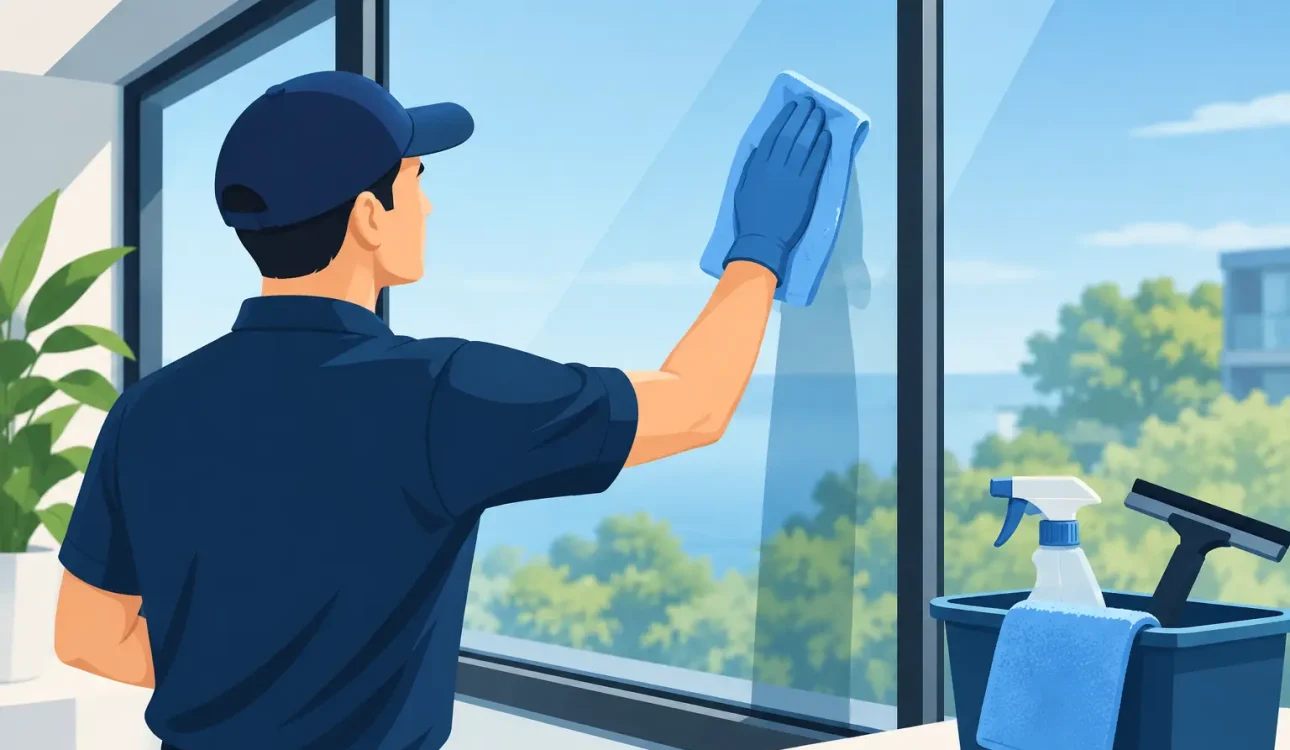
Start by removing loose dust with a soft microfiber cloth. Then spray a small amount of mild, ammonia-free glass cleaner or a diluted solution of water and a few drops of gentle dish soap onto the cloth or the film. Wipe with light, overlapping strokes. Finish with a separate clean microfiber cloth to dry the surface and prevent streaking.
For most interior residential windows, cleaning every few weeks is enough. Windows near a kitchen, balcony, entryway, or busy office area may need attention more often because grease, fingerprints, and pollution build up faster. The goal is not aggressive polishing. It is consistent, low-pressure care.
Use the right tools
Microfiber cloths are the preferred choice because they lift dust and absorb moisture without leaving lint behind. Keep a few cloths specifically for glass and film so they do not transfer grease or grit from other cleaning jobs.
A soft rubber squeegee can also be useful on large commercial glass panels, provided its edge is clean and free from nicks. Use light pressure and make sure no debris is caught beneath the blade. For smaller windows, a microfiber cloth gives better control around corners and edges.
Avoid abrasive sponges, scouring pads, steel wool, stiff brushes, and rough paper towels. Even if a mark disappears after vigorous rubbing, the film’s surface coating may have been damaged in the process.
What Not to Use on Window Film
Strong chemical cleaners can affect the film’s adhesive, finish, or protective hard coat over time. This matters especially on high-performance solar films, where surface quality supports clear visibility and a polished appearance.
Stay away from cleaners containing ammonia, harsh solvents, bleach, or highly alkaline ingredients. Products marketed for heavy-duty degreasing, bathroom scale removal, or adhesive stripping do not belong on filmed glass. Avoid using razor blades, utility knives, or metal scrapers to remove residue. These tools can cut through the film in seconds.
If you are dealing with a stubborn spot, such as dried food splatter, tape residue, or a child’s fingerprints, soften it first with warm water and mild soap. Hold a damp cloth against the affected area for a moment, then wipe gently. For residue that will not lift, contact your installer before trying a stronger product. Replacing a damaged panel is more expensive than getting the right advice early.
Respect the Curing Period After Installation
Freshly installed film needs time to cure. During this period, moisture used in the installation process gradually evaporates through the film. It is normal to notice a slightly hazy appearance, small water pockets, or a few tiny bubbles shortly after installation.
Do not clean the film until your installer confirms that the curing period has passed. Depending on the film type, glass condition, and weather, this can take several days to a few weeks. Humid conditions may extend the process. Trying to press out bubbles, lifting an edge to inspect it, or wiping too soon can interfere with adhesion.
A professional installation should have clean, well-bonded edges and a smooth overall finish once cured. If large bubbles remain after the advised curing period, or if an edge begins to peel, arrange an inspection rather than attempting a repair yourself. Precision matters at the edges, where moisture and repeated handling can cause further lifting.
Protect Film From Daily Wear
Cleaning is only one part of maintenance. The way a window is used has a direct effect on the film’s longevity.
Keep sharp objects away from filmed glass. This includes moving furniture, vacuum attachments, blinds with exposed metal components, pet claws, and children’s toys. In homes with sliding windows or doors, make sure curtains, roller shades, and blinds do not repeatedly rub against the same area of the film. Friction may create dull patches over time.
Be mindful when decorating for holidays or events. Adhesive hooks, stickers, decals, and double-sided tape can leave residue or pull at the film when removed. If decorative items must be attached to glass, ask your film specialist which methods are suitable for the specific product installed.
For offices and retail spaces, instruct cleaning crews to treat filmed glass differently from untreated glass. A simple note in the cleaning checklist can prevent a well-meaning cleaner from using ammonia-based spray or a blade scraper on a large panel. This small operational step is especially valuable for one-way reflective and privacy film installations, where uniform appearance is highly visible.
Check Edges, Seals, and Surrounding Conditions
Window film is installed on the interior surface of most windows, so it is protected from direct rain and exterior debris. Still, the window system around it matters. Condensation, leaking seals, and water intrusion can affect the glass area and may eventually compromise the film’s edges.
During routine cleaning, take a quick look at the perimeter of each panel. Watch for lifting corners, discoloration, moisture gathering at an edge, or changes in appearance that are limited to one section of glass. These signs do not always mean the film has failed. Sometimes the issue comes from a damaged window seal, excess interior condensation, or a cleaning product used by mistake.
Rooms with high moisture, such as bathrooms, kitchens, and laundry areas, benefit from proper ventilation. Frosted privacy film remains a practical solution for these spaces, but reducing prolonged condensation helps protect the window assembly as a whole.
Different Films Need Different Expectations
Maintenance methods are similar across most film categories, but the expected appearance varies. Clear solar film is designed to preserve a natural view while reducing heat, glare, and UV exposure, so haze or scratches are easier to notice. Decorative and frosted films intentionally change the glass appearance, but they still need gentle cleaning to keep their pattern crisp and even.
Reflective film requires particular care because fingerprints and streaks can be more visible in strong daylight. Clean it with a fresh microfiber cloth and avoid buffing in circles, which can leave visible swirl patterns. Blackout film should also be treated gently, especially at the edges, since its purpose is to create a consistent visual barrier.
Quality film from established manufacturers is built for demanding use, but no film is indestructible. Its lifespan depends on product grade, glass type, sun exposure, installation quality, and care. That is why choosing a specialist such as ShieldShade International matters from the beginning: proper product matching and precision installation make maintenance far more straightforward.
When to Call a Professional
Call your installer if you notice peeling, persistent large bubbles after curing, cracking, unusual discoloration, or a sudden change in clarity. Do not assume every issue is caused by the film. Glass defects, failed insulated units, moisture problems, and environmental exposure can all create symptoms that need a trained assessment.
Professional advice is also worthwhile before renovating. If painters, contractors, or cleaning crews will be working near filmed windows, protect the glass from dust, paint splatter, and chemical exposure. It is much easier to prevent damage than to replace film after the work is done.
A well-maintained film continues to do its job quietly: reducing glare at the desk, cutting solar heat in a sun-facing room, and giving your space the privacy it needs. Treat it as a performance surface, not ordinary glass, and it will keep improving the way your windows work for years to come.