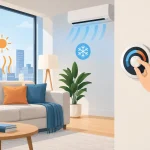

A west-facing living room can feel comfortable at 9 a.m. and punishingly hot by mid-afternoon. When the air conditioner works harder, glare washes out the television, and nearby windows compromise privacy, window film becomes a practical upgrade. This guide to window film costs explains what you are really paying for, why quotes can vary widely, and how to choose a solution that performs long after installation day.
Window film is not priced like a single off-the-shelf product. The final cost reflects the film’s technical specification, the amount and condition of glass, access to the windows, and the precision required to install it properly. A clear, detailed quotation is more valuable than a low headline price because it shows whether the proposed film will meet your actual needs.
What Determines Window Film Costs?
The most reliable way to evaluate a quote is to separate the cost of the film from the work needed to prepare and install it. A premium solar film on a simple, ground-level window may cost less overall than an entry-level film installed on difficult-to-reach, curved, or segmented glass.
Film type and performance level
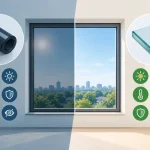
Solar control film is commonly selected for heat rejection, glare reduction, UV protection, and improved indoor comfort. Its price usually rises with its performance ratings, optical clarity, warranty coverage, and construction. High-performance films may use advanced ceramic, sputtered metal, or multi-layer technologies that reject significant heat without making the room excessively dark.
A darker film is not automatically a better heat-control film. Visible light transmission, total solar energy rejection, glare reduction, and reflectivity all matter. A quality film designed for tropical sun exposure can reduce heat gain while preserving a more natural view, which is often worth the additional investment in living rooms, offices, and rooms with long afternoon exposure.
Privacy, frosted, blackout, decorative, and one-way reflective films are priced differently because they solve different problems. Frosted film is often a cost-effective way to create privacy on bathroom, kitchen, or office partitions. Decorative film may cost more when it involves custom patterns, precise alignment, or coverage across multiple panels. One-way reflective film requires careful assessment of lighting conditions, since its daytime privacy effect changes when interior lights are brighter than the outdoors.
Glass size, layout, and quantity
Film is often measured by glass area, but square footage is only one part of the calculation. A large fixed panel is generally faster to install than the same area divided among many narrow panes, sliding doors, or windows with grilles and tight edges.
The number of panels also affects labor time. Each piece of glass must be cleaned, measured, cut, applied, trimmed, and inspected. Small bathroom windows, transom panels, and louvered sections can require more detailed work per square foot than a broad office façade.
Larger projects may achieve better value per square foot because setup and travel are spread across more glass. However, a larger installation also demands consistent film batches, proper planning, and experienced installers to keep the finish uniform from one room to the next.
Installation access and site conditions
Easy access keeps installation efficient. Windows behind built-in furniture, high stairwell glass, elevated exterior panels, or areas that require special access equipment will add to the project cost. Commercial spaces may also require work outside business hours, coordination with building management, protective coverings, or additional safety procedures.
Existing conditions matter as well. Old adhesive residue, paint overspray, grease buildup, damaged seals, or previous film may need to be addressed before new film can be installed. Film removal can be labor-intensive, particularly when aged adhesive has hardened under prolonged sun exposure. It should be identified clearly in the quotation rather than appearing as an unexpected charge later.
A Guide to Window Film Costs: What a Quote Should Show
A professional quotation should make it easy to compare options without guessing what has been included. Rather than focusing only on the total, check for the proposed film series, coverage area, installation scope, and warranty terms.
For a meaningful comparison, ask whether the quote identifies:
- The film type, shade, and key performance characteristics
- The windows or glass panels included in the measured area
- Surface preparation, old-film removal, and access requirements
- Installation workmanship and product warranty coverage
This level of detail protects you from comparing a high-specification solar film with a basic dyed film that may look similar on day one but perform very differently over time. It also helps prevent scope gaps, such as assuming a quote covers every bedroom window when it only includes the living area.
Material Cost vs. Installed Value
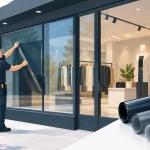
It can be tempting to compare only the material price, especially when self-installation films are widely available. But window film is a finish product. The visible result depends heavily on preparation, cutting accuracy, edge treatment, and dust control during installation.
A professionally installed film should sit cleanly against the glass with minimal visual distraction after curing. Experienced installers understand how different glass types, frames, seals, and room conditions affect the application process. They can also identify situations where a particular film may not be appropriate, such as glass that is already damaged, certain insulated units, or panels exposed to unusual thermal stress.
The installed value also includes advice before the work begins. A good specialist will ask how the room is used, when direct sun enters, whether privacy is needed day and night, and how much natural light you want to retain. That consultation can prevent an expensive mistake, such as fitting a very dark reflective film in a low-light room or using a privacy solution that does not work after sunset.
Where Spending More Makes Sense
Higher upfront cost is usually justified when the window has a demanding role. West-facing rooms, full-height condo glass, home offices with screen glare, retail fronts, and meeting rooms can benefit from higher-performing film because comfort and usability are affected every day.
Solar film is also worth evaluating as part of your cooling strategy. It will not replace air conditioning, but reducing solar heat entering through glass can help rooms feel less punishing and may reduce the strain on cooling systems. The practical return depends on sun exposure, glass area, usage patterns, electricity rates, and how efficiently the room is already insulated.
For HDB homes and apartments with close neighboring blocks, privacy film can offer value beyond heat control. Frosted film on lower panels or selected bathroom windows lets daylight remain while reducing direct visibility. Combining films by room can be more cost-effective than applying one premium specification everywhere. For example, a high-performance solar film may suit the living room, while a simpler frosted option suits service areas or interior glass partitions.
Why the Cheapest Option Can Cost More Later
Low-cost films can be appropriate for temporary needs, but they may involve trade-offs in heat rejection, color stability, adhesive quality, and longevity. Poor-quality film can fade, bubble, peel, or develop a purple cast over time. Removal and replacement then add cost, inconvenience, and potential disruption to the space.
The same applies to installation. Inadequate cleaning or rushed trimming can leave visible contamination, uneven edges, or lifting around the frame. These issues are especially noticeable on large windows and glass doors where sunlight reveals every imperfection.
For a long-term property upgrade, prioritize a film that suits the glass, the climate, and the way you use the room. ShieldShade International approaches this decision as a performance recommendation, not simply a choice between light and dark shades.
How to Budget With Confidence
Start by identifying your priority for each room: heat control, glare reduction, daytime privacy, decorative privacy, blackout, or a combination. Then measure the glass approximately and note any access challenges, such as high windows, built-ins, or existing film. This gives an installer the information needed to provide a more accurate initial estimate.
If you are working within a set budget, install film in stages rather than compromising on the areas that matter most. Begin with the hottest rooms or the windows causing the greatest privacy concern. You can extend the same film selection to other rooms later, provided the product remains available and the visual result is planned consistently.
The right window film cost is not necessarily the lowest figure on the page. It is the price of a solution that fits your glass, improves how the space feels, and continues to look right after years of sun, cleaning, and daily use.