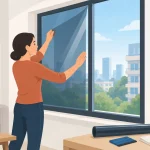

A west-facing living room can feel noticeably hotter by midafternoon, even when the air conditioning is running. Sunlight through glass brings heat, glare, and ultraviolet exposure directly into the space, creating discomfort that curtains alone may not solve. This guide to tropical window films explains how to choose a film that improves everyday comfort without sacrificing the daylight or views you value.
For homes, HDB apartments, condos, offices, and retail spaces in hot, humid urban environments, window film is a practical upgrade rather than a cosmetic afterthought. The right product helps manage solar heat while working with your existing glass. The wrong one can leave a room too dark, fail to address glare, or create compatibility issues with certain window types. Selection should be based on the glass, sun direction, room use, and performance priorities.
Why tropical climates demand a different approach
Not every window film is designed for intense year-round sun. In tropical conditions, glazing is exposed to high solar load for long periods, while indoor spaces are often cooled for much of the day. That combination makes heat rejection especially valuable, but it also means a film must remain stable, clear, and durable under demanding conditions.
A quality solar film reduces the amount of solar energy entering through the glass. This can lower the heat felt near windows, reduce strain on air conditioning, and make rooms more usable during peak sun hours. It also cuts glare on television screens, laptops, and polished surfaces while filtering a substantial portion of UV radiation that can fade flooring, furniture, artwork, and merchandise.
Performance should not be judged by darkness alone. A very dark film may reduce visible light but can make interiors feel closed in, especially in compact apartments. Premium films can provide strong heat and UV control with a lighter, more natural appearance. The best choice depends on whether your priority is maximum heat reduction, daylight retention, daytime privacy, or a balanced result.
Guide to tropical window films: start with the room
The most reliable way to select a film is to assess each room instead of applying one product across every window. A film that works well in a sun-drenched master bedroom may not be right for a kitchen that already receives limited natural light.
Start by identifying when direct sun enters the room. East-facing windows tend to receive stronger morning light, while west-facing glass often creates the harshest afternoon heat and glare. South-facing exposure can be consistently bright depending on the building orientation and surrounding structures. High-rise units also face reflections from neighboring facades, which can intensify glare in unexpected areas.
Then consider how the space is used. A home office needs screen visibility and comfortable light levels. A bedroom may need more privacy and darkness. Living rooms often benefit from a neutral solar film that protects furnishings while keeping the view open. In offices, glare reduction can improve screen work and meeting-room comfort without relying on closed blinds throughout the day.
Finally, look at what is outside the window. A clear view, a nearby block, a busy road, or direct sightlines into another apartment will affect the type of privacy solution required. Solar control and privacy are related, but they are not always solved by the same film.
Understand the main film categories
Solar window film
Solar film is the primary choice for rooms that feel hot or overly bright. It is available in different shades, reflectivity levels, and heat-rejection ratings. Some films have a more reflective exterior appearance, while others are designed to look more neutral from both sides of the glass.
For residential spaces, a lighter premium solar film is often the preferred balance. It can reduce heat and UV exposure while maintaining natural daylight and a more open interior feel. For heavily exposed commercial glass, a higher-performance or more reflective option may be appropriate where heat reduction is the leading concern.
One-way reflective film
One-way reflective film provides daytime privacy when the outside is brighter than the interior. From outdoors, the glass appears more reflective; from inside, occupants retain a clearer view outward. It is a practical choice for ground-floor spaces, units facing nearby buildings, and offices that need daytime privacy.
The trade-off matters: the effect reverses at night when interior lighting is stronger. If privacy is needed after dark, curtains, blinds, or another privacy solution should be part of the plan. One-way film is not a complete nighttime privacy system.
Frosted and decorative film
Frosted film obscures direct views through glass while still allowing light to pass. It is well suited to bathroom windows, glass partitions, entry panels, and office meeting rooms. Decorative films can introduce patterns, gradients, or design details while solving visibility concerns.
These films are ideal when privacy is the main goal, but they are not automatically the strongest answer to solar heat. If a window receives strong direct sun, a specialist may recommend combining the privacy requirement with a solar-performance film or choosing a product designed to address both needs.
Blackout film
Blackout film blocks visibility and light through the treated glass. It can be useful for storage areas, equipment rooms, selected commercial applications, or spaces where total screening is required. In a living area, however, it is usually too restrictive unless the window has no useful view or daylight value.
Key specifications that affect real comfort
Product brochures can be filled with technical figures. You do not need to memorize every term, but a few measurements make comparisons more meaningful.
Visible light transmission indicates how much daylight passes through the film. A higher percentage generally means a brighter interior. Total solar energy rejected indicates how effectively the film reduces solar heat gain. UV rejection addresses fading and skin exposure near windows. Glare reduction shows how much harsh visible light is controlled.
These figures should be read together. A film with very high heat rejection may have lower visible light transmission or a more reflective finish. A lighter film may preserve a clearer view but provide more moderate heat control. There is no universal best rating, only the best fit for a particular window and room.
Glass type is equally important. Tempered glass, laminated glass, insulated units, and older annealed glass can respond differently to heat absorption. Applying an unsuitable film to certain glass configurations may raise the risk of thermal stress. A professional site assessment should confirm glass compatibility before installation, especially for large panels, façade glass, or windows with existing treatments.
Installation quality is part of the product
Even premium film cannot perform as intended if it is poorly installed. Dust, trapped moisture, edge lifting, uneven trimming, and visible creases affect appearance and shorten service life. Proper installation requires careful glass preparation, accurate cutting, clean application conditions, and attention to edges and seals.
Newly installed film may show a temporary hazy appearance or small water pockets while the adhesive cures. This is normal in many installations and should improve during the curing period. Avoid cleaning the film immediately after installation, and use a soft cloth with a non-abrasive, ammonia-free cleaner afterward.
For large residential or commercial projects, consistency matters. Matching film appearance across multiple windows, working around furniture or business operations, and minimizing disruption are all part of a professional installation process. ShieldShade International approaches window film as a complete solution, pairing product selection with precise installation for the climate and glass conditions on site.
Common selection mistakes to avoid
Choosing the darkest film available is a frequent mistake. Darker does not always mean better heat control, and it can reduce daylight more than expected. Another issue is selecting reflective film only for privacy without accounting for the loss of nighttime privacy.
It is also unwise to compare products solely by price per square foot. Film quality includes optical clarity, adhesive performance, UV stability, warranty coverage, and long-term resistance to peeling or discoloration. A lower-cost installation that needs replacement early can cost more over time than a properly specified premium film.
Finally, avoid treating every pane of glass alike. Different sides of the property may need different solutions. This tailored approach usually delivers better comfort and a more balanced exterior appearance than applying one dark film everywhere.
A well-chosen tropical window film should make your space feel easier to live or work in, not noticeably altered. When heat, glare, privacy, and daylight are evaluated together, existing windows can perform far better without the cost and disruption of replacing the glass.