A clear bathroom window, a glass-panel front door, or a meeting room that faces a busy corridor can make a space feel more exposed than it should. Frosted glass solves that problem by obscuring direct views while allowing daylight to remain part of the room. For homes and businesses that already have serviceable glass, frosted window film provides the same visual effect without the disruption, expense, or mess of replacing an entire panel.
That distinction matters in dense residential buildings, offices, retail spaces, and commercial properties. Privacy is not always about blocking light completely. Often, the better solution is to soften visibility, reduce distractions, and keep an interior bright and welcoming.
What Frosted Glass Film Does
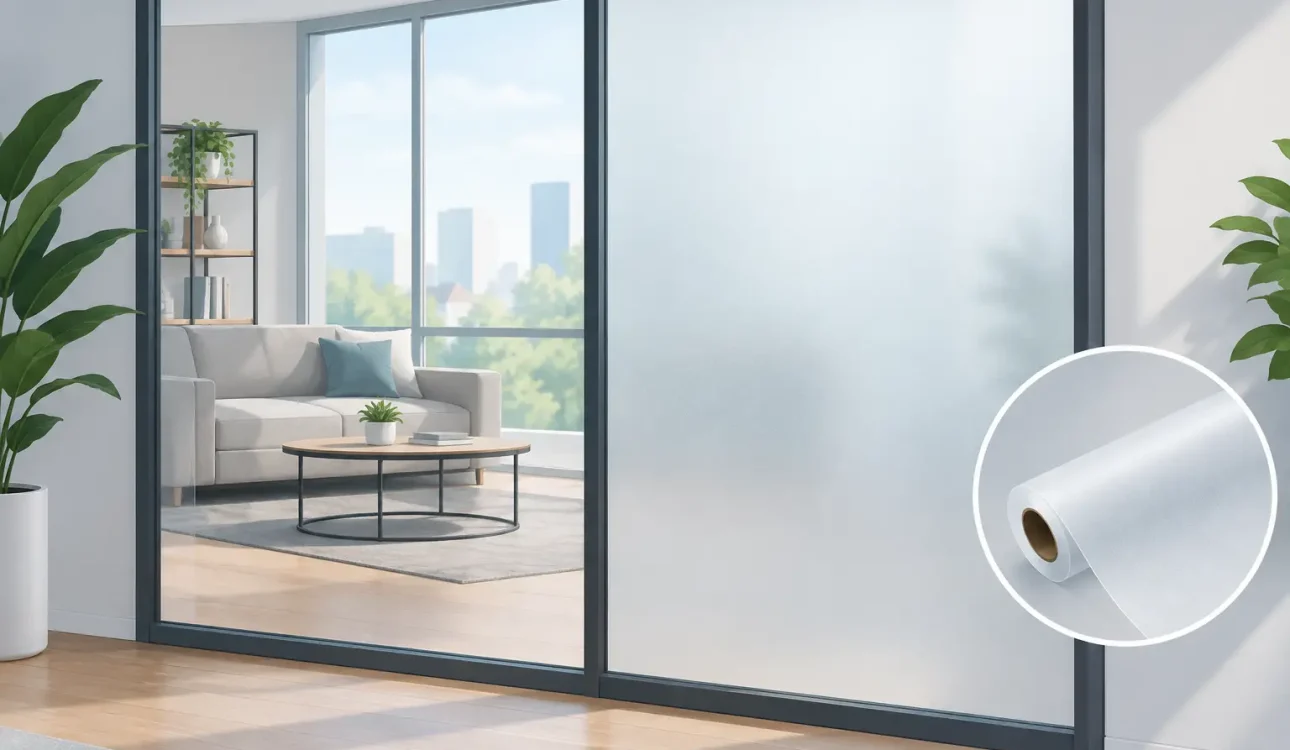
Frosted glass film is an adhesive film applied directly to existing glass. Its matte or etched appearance scatters light, preventing clear visibility through the pane. From either side, people can see that there is light and movement beyond the glass, but details are obscured.
It is commonly installed on bathroom windows, shower screens, bedroom sidelights, interior office partitions, clinic consultation rooms, storefront panels, and glass doors. The result is a cleaner, more private look without sacrificing the open feel that glass creates.
The level of privacy depends on the film selected and the viewing conditions. A standard frosted finish typically blocks clear sight lines very effectively at normal distances. However, strong backlighting, close contact with the glass, or silhouettes may still be visible. For a bathroom, treatment room, or space requiring complete visual separation, the right opacity and installation placement should be assessed before selecting a film.
Frosted Glass vs. Frosted Window Film
True frosted glass is manufactured or chemically treated to create a permanent translucent surface. It is durable, but it requires new glass panels, fabrication lead time, and professional replacement work. That can be practical for a major renovation or new construction project, especially when glass specifications are being finalized from the start.
Frosted window film is the more flexible option for an existing home or workplace. It can be installed on current glass, often with far less downtime than glass replacement. It also gives property owners the ability to update a space without committing to a permanent altered panel.
Cost is usually a deciding factor, but flexibility matters just as much. A tenant may need privacy in a leased office without making irreversible changes. A homeowner may want to refresh a bathroom window without coordinating a full renovation. In those cases, quality frosted film is a practical upgrade that delivers an immediate visual improvement.
There are trade-offs. Film is not a substitute for safety glass where building codes require tempered or laminated glass. It will not repair cracked panes, improve structural strength, or correct failed seals in double-glazed units. The existing glass must be sound, clean, and suitable for application. A professional assessment helps avoid choosing a cosmetic solution for a structural issue.
Where Frosted Glass Film Makes the Biggest Difference
Bathrooms and Shower Areas
Bathrooms are one of the strongest applications because privacy needs are high and natural light is valuable. Frosted film lets daylight enter while shielding the room from neighboring windows, corridors, and exterior walkways. It can be applied as a full-panel treatment or cut into bands and patterns for a more decorative result.
For shower enclosures, the film should be selected and installed with moisture exposure in mind. Proper edge finishing and careful surface preparation are essential for long-term appearance, particularly in humid climates.
Entryways and Glass Doors
A front door with clear glass can brighten a hallway, but it can also reveal too much of the interior. Frosted glass film provides a more comfortable level of privacy while maintaining the welcoming effect of daylight. It is also useful for sidelight panels, rear doors, and apartment entrances facing shared corridors.
The best design depends on the door. Full frosting offers the highest privacy, while a patterned or partial application can preserve selected clear areas and create a more customized look.
Offices, Clinics, and Meeting Rooms
Glass partitions give commercial interiors a modern, open appearance. Yet fully clear partitions can create distractions and make confidential conversations feel exposed. Frosted film can define meeting rooms, private offices, consultation spaces, and staff areas without closing them off with solid walls.
Many businesses choose horizontal bands, logo cutouts, or strategically frosted lower sections. These designs retain sight lines where they are useful while creating privacy at eye level. For offices, this is not only an aesthetic decision. It can improve focus and help visitors understand where public areas end and private workspaces begin.
Retail and Service Businesses
Frosted film can help conceal storage areas, back-of-house rooms, treatment spaces, or internal equipment without making a storefront feel dark. It can also be used for branding, directional graphics, and seasonal displays. A well-designed application turns unused glass into a functional part of the customer experience.
Choosing the Right Finish and Privacy Level
Not all frosted films look or perform the same way. Some create a soft, subtle haze. Others imitate acid-etched glass with a more opaque, premium finish. Decorative options may include gradients, geometric patterns, stripes, or custom-cut graphics.
Before choosing a finish, consider how the glass is used throughout the day. A window that faces direct afternoon sun may look different from one in a shaded corridor. A meeting room that requires privacy during evening hours may need a more opaque solution than a daytime-only workspace. Lighting on both sides of the glass changes what can be seen.
It also helps to decide whether the goal is privacy, decoration, or both. A bathroom may need consistent coverage from top to bottom. An office partition may benefit from frosted bands at seated and standing eye levels. A restaurant or retail space may prioritize an attractive pattern that supports the interior design.
For properties exposed to intense sun, privacy film can also be combined with other window film strategies. Frosted film is primarily selected for privacy and appearance. If heat rejection, glare reduction, or UV control is the main concern, a solar film or a specialized combination solution may be more appropriate. The right choice depends on the room, glass type, orientation, and daily use.
Why Professional Installation Matters
Frosted window film may appear simple, but a clean result depends on precision. Dust, residue, moisture, and small alignment errors can show through a matte finish. On doors, partitions, and large panels, uneven edges or poorly positioned seams are especially noticeable.
Professional installation starts with evaluating the glass and measuring the usable surface accurately. The installer then prepares the pane, applies the film with the correct technique, removes trapped moisture, and trims the edges cleanly. Complex projects may require custom cutting around handles, frames, hardware, or branded designs.
Quality also extends beyond the installation day. Premium film is designed to maintain its appearance, resist peeling, and clean easily when cared for correctly. The exact lifespan varies based on film grade, exposure, cleaning practices, and whether the application is interior or exterior. Choosing a proven film and experienced installer is the most reliable way to protect the finish over time.
Caring for Frosted Window Film
Most frosted film needs very little maintenance. Use a soft microfiber cloth or non-abrasive sponge with mild, film-safe cleaning solution. Avoid rough scouring pads, abrasive powders, and sharp tools that can scratch the surface or lift an edge.
Newly installed film needs time to cure. During this period, small water pockets or a slightly hazy appearance can be normal as remaining installation moisture evaporates. Do not pick at edges or attempt to press out moisture without guidance. If an area does not settle as expected, contact the installer rather than risking damage.
For commercial glass that is cleaned frequently, establish a simple cleaning routine with staff or your cleaning provider. Consistent, gentle care preserves the uniform matte appearance that makes frosted film look polished.
A Privacy Upgrade That Still Lets the Room Breathe
Replacing clear glass is not always necessary to make a room feel more private, finished, and comfortable. Frosted film offers a practical middle ground: it softens views, preserves daylight, and works with the glass you already have.
The most effective choice is one that reflects how the space is actually used. Whether you are improving a bathroom window, creating confidentiality in an office, or refining a glass entryway, a properly selected and professionally installed frosted glass film can make the change feel built in, not added on. ShieldShade International can help assess the privacy level, finish, and installation approach that suit your property best.