A west-facing living room can feel several degrees hotter than the rest of the home long before the afternoon is over. If closing the blinds means losing the view and running the AC harder feels like the only alternative, metalized window film deserves a close look. This metalized window film review examines where it performs exceptionally well, where it asks for compromise, and how to decide whether it suits your windows.
What Metalized Window Film Actually Does
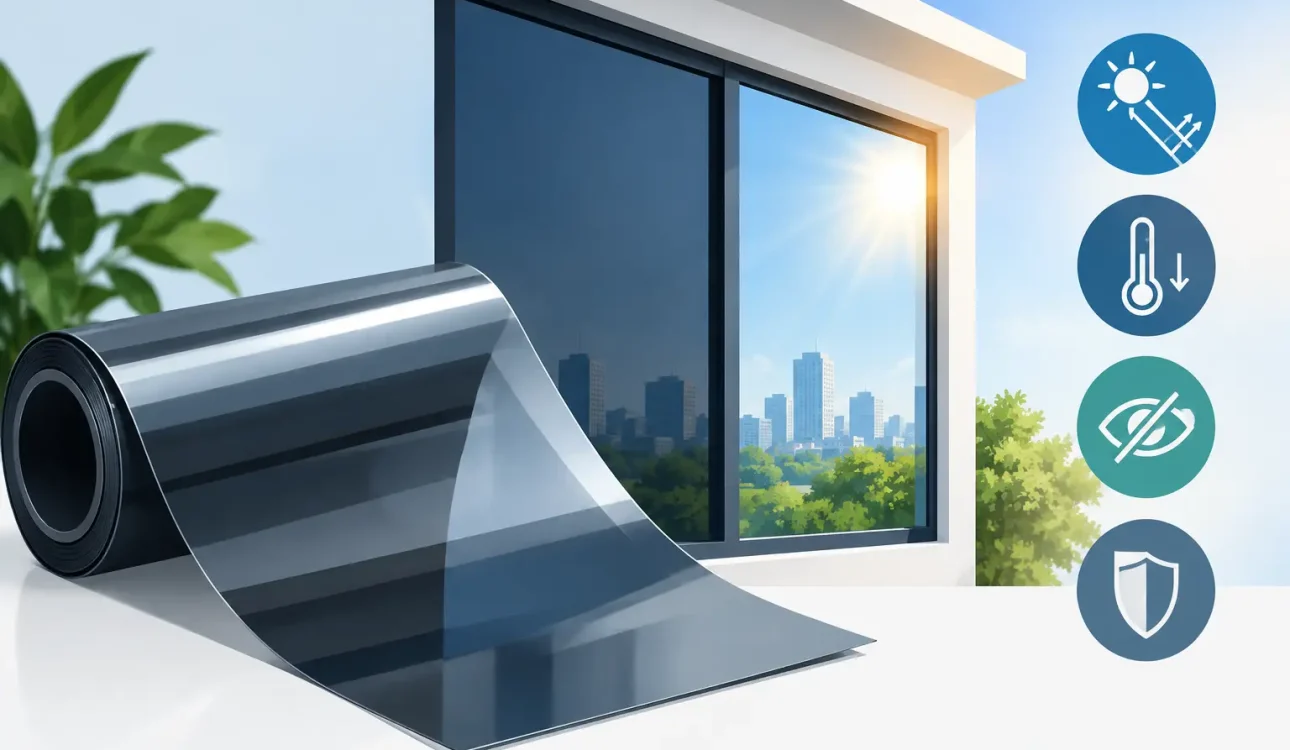
Metalized window film, also called metallized film, contains a very thin metallic layer within its construction. That layer reflects a portion of the sun’s heat and visible light before it enters the glass. Depending on the product, it may use aluminum, nickel-chrome, or other metal-based coatings engineered for solar control.
The practical result is straightforward: less solar heat, reduced glare, and stronger daytime privacy than a clear or lightly tinted film. It is a proven category, particularly for large windows exposed to direct sun, high-rise apartments, offices, retail fronts, and rooms where screen glare is a daily frustration.
A quality film does not turn a room into a cave. The available shades range from relatively light, neutral finishes to darker, more reflective options. The right choice depends on your priorities. Maximum heat and glare control generally requires a darker or more reflective appearance, while preserving natural daylight calls for a lighter film with more modest performance.
Metalized Window Film Review: The Real Benefits
The strongest reason to choose metalized film is its heat-rejection capability. By reflecting solar energy outward, it can reduce the load placed on your air-conditioning system and make sunny rooms more comfortable during peak hours. Exact results vary with the glass type, window direction, climate, and film grade, but the difference near a sun-facing window can be immediately noticeable.
Glare reduction is another major advantage. Direct sunlight on a television, computer monitor, or polished floor is not merely inconvenient. It can make a space harder to use. A properly selected metalized film softens harsh light while still allowing the room to remain naturally bright.
UV protection also matters. Most premium solar films block up to 99% of ultraviolet rays, helping reduce fading on flooring, furnishings, artwork, merchandise, and interior finishes. UV is not the only source of fading – visible light and heat contribute too – but reducing it is a worthwhile layer of protection for valuable interiors.
There is also a visual benefit. A silver, charcoal, or neutral reflective finish can give a building a cleaner, more uniform exterior appearance. For commercial spaces, that polished look can complement modern glass facades. For homeowners, it can make oversized windows feel more private without adding heavy curtains.
The Trade-Offs You Should Consider
No window film is the right answer for every property, and metalized film has trade-offs worth addressing before installation.
The first is reflectivity. From outside during the day, a reflective film can provide effective one-way privacy because brighter outdoor conditions create a mirror-like effect. At night, the relationship reverses when interior lighting is brighter than outdoors. People outside may be able to see in unless curtains, blinds, or another privacy measure are used. One-way privacy is about lighting conditions, not a guarantee of privacy around the clock.
The second consideration is appearance. Highly reflective film can be an asset on a commercial facade or a bright urban apartment, but it may not suit every architectural style or homeowners association requirement. It can also alter how natural light looks inside. Some metalized films have a cooler gray or slightly blue cast, while others are designed to look more neutral. Viewing a physical sample against your own glass is more reliable than judging color from a screen.
The third is electronic signal interference. Because metalized coatings can affect radio-frequency signals, certain products may weaken cellular reception, GPS, keyless entry systems, radio, or wireless connections near the window. The impact depends on the film, the building, and device placement. It is most relevant in spaces where strong mobile reception is already marginal or where windows surround a workspace. In those cases, a ceramic or spectrally selective film may be the better choice.
Finally, darker film is not always better. A very dark shade can cut glare and heat effectively, but it also reduces daylight and may make an interior feel enclosed. For living rooms, kitchens, and offices used throughout the day, balance usually delivers a better long-term result than choosing the darkest available option.
Where Metalized Film Makes the Most Sense
Metalized window film is especially effective on windows with strong afternoon sun exposure. West-facing rooms, glass-heavy offices, shopfronts, meeting rooms, and top-floor spaces often benefit from the added solar control. It is also a practical option for people who want daytime privacy without permanently blocking the view.
For commercial properties, the combination of glare reduction and façade uniformity can be compelling. Employees are more comfortable at desks near windows, display areas receive less damaging sunlight, and customers experience a more controlled interior environment. A reflective exterior can also help conceal cluttered back-of-house areas during operating hours.
At home, the film suits bedrooms, living rooms, home offices, and balconies where sunlight is intense but curtains alone feel too limiting. It works particularly well when the goal is to retain the existing glass rather than undertake a costly window replacement project.
It may be less suitable for rooms that already receive limited daylight, historic properties where exterior appearance must remain unchanged, or homes that rely heavily on strong cellular service beside windows. These are not automatic deal-breakers, but they call for a more careful product comparison.
How It Compares With Ceramic and Dyed Film
Dyed window film is often the budget-friendly entry point. It can improve glare control and provide a darker look, but it generally absorbs more heat rather than reflecting it. Over time, lower-grade dyed films may be more prone to fading or color shift, especially in demanding sun conditions.
Ceramic film uses non-metallic particles to manage heat. Its biggest advantage is that it normally avoids the signal-interference concern associated with metalized products. Premium ceramic films can also offer excellent heat rejection with a more subtle, low-reflectivity appearance. The trade-off is usually cost. For owners who prioritize a neutral finish, clear views, and uninterrupted connectivity, that premium can be worthwhile.
Metalized film sits in a strong middle position. It is durable, highly effective at reflecting solar energy, and often offers excellent value for spaces where a reflective finish is acceptable. The best choice is not simply the film with the highest performance number. It is the one that matches the room’s use, the glass specification, daylight needs, and visual expectations.
Installation Quality Is Part of the Product
Even an excellent film can disappoint if it is poorly specified or installed. Before any work begins, the installer should assess the window orientation, glass type, existing coatings, frame condition, and desired outcome. Certain glass configurations require added care because heat absorption and thermal stress can affect compatibility.
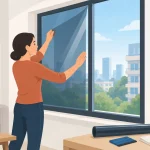
Professional installation also determines the finish you see every day. Clean glass preparation, precise trimming, proper edge work, and a dust-controlled process help prevent visible contamination, lifting, and premature failure. Small moisture pockets can be normal immediately after installation while the film cures, but obvious creases, trapped debris, or uneven edges are not standards to accept.
Ask for product specifications that explain visible light transmission, total solar energy rejection, glare reduction, UV rejection, and warranty coverage. These figures help set realistic expectations. A trustworthy specialist will explain what each rating means for your specific windows instead of using a single percentage as a blanket promise.
ShieldShade International approaches film selection as a performance decision, not a one-size-fits-all tint choice. With premium options from established international manufacturers and precision installation, the goal is a result that looks right and continues working in demanding sun exposure.
A Practical Buying Checklist
Before choosing a metalized film, consider four questions: How much direct sun does the room receive? Is daytime privacy more important than a clear, neutral exterior view? Do you rely on cellular or wireless signals near the windows? And how much daylight do you want to keep?
Then compare samples on the actual glass, preferably at the time of day when sunlight is strongest. Check the view from inside and outside, look at the film beside your wall colors and furnishings, and ask how it will perform after dark. This small step prevents many avoidable regrets.
Metalized window film remains one of the most effective upgrades for sun-exposed glass when heat control, glare reduction, and daytime privacy are the priority. Choose the right shade, confirm glass compatibility, and work with an experienced installer – then your windows can keep the view without letting the sun take over the room.