A storefront window has to do two jobs at once: invite the right people in and keep the wrong views out. That is why daytime privacy for storefront windows needs more thought than simply making the glass darker. The best solution protects customer comfort, sensitive work areas, and valuable displays while preserving the daylight and visual presence that make a street-facing business feel open.
For retail stores, clinics, offices, salons, fitness studios, and ground-floor service businesses, window film can provide a practical upgrade without the cost, disruption, or permanence of replacing existing glass. The key is choosing a film that performs under real daytime conditions, not just one that looks private in a sample book.
Why storefront privacy is different during the day
During business hours, the exterior is usually brighter than the interior. This difference in light levels is what allows certain reflective and one-way window films to limit views into a building. From the sidewalk, the glass can appear reflective or subtly tinted. From inside, staff and visitors can still see outside.
That effect is useful, but it is not magic. Privacy depends on the balance of light on each side of the glass. A film that gives excellent daytime privacy may offer little privacy after sunset if the store is brightly lit and the street outside is dark. Businesses that operate into the evening need a plan for both conditions, such as blinds, curtains, interior shades, or a privacy film designed for permanent obscurity in selected areas.
Storefront privacy also requires a careful balance with visibility. A boutique may want passersby to see products and branding. A medical practice may need to shield waiting areas, treatment rooms, and computer stations. A restaurant may prefer reduced glare and a more comfortable dining room without making its façade feel closed off. The right film should support how the business operates, not work against it.
The best film options for daytime privacy for storefront windows
No single film suits every storefront. Glass orientation, window size, surrounding buildings, business hours, and interior layout all affect the best choice.
Reflective and one-way window film
Reflective window film is often the first option considered for daytime privacy. It creates a mirror-like appearance on the brighter side of the glass, making it harder for pedestrians to see inside during daylight. At the same time, it can reduce solar heat, glare, and UV exposure – benefits that matter for customer-facing spaces with large windows.
This option works especially well for offices, reception areas, salons, studios, and retail spaces where outward visibility remains useful. The level of reflectivity can vary considerably. A stronger exterior reflection generally improves privacy, but it can also change the look of the storefront more noticeably. For businesses with strict landlord, mall, or building-management guidelines, appearance should be reviewed before installation.
Reflective film is not the right answer for nighttime privacy on its own. Once interior lighting becomes brighter than outside lighting, the one-way effect reverses. Anyone selecting this film should treat it as a daytime performance solution, not a 24-hour privacy barrier.
Frosted privacy film
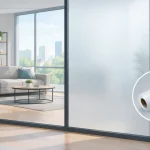
Frosted film obscures views from both sides of the glass while still allowing natural light to pass through. It is ideal where privacy must remain consistent throughout the day and evening, including consultation rooms, back offices, treatment spaces, staff areas, and windows facing closely neighboring properties.
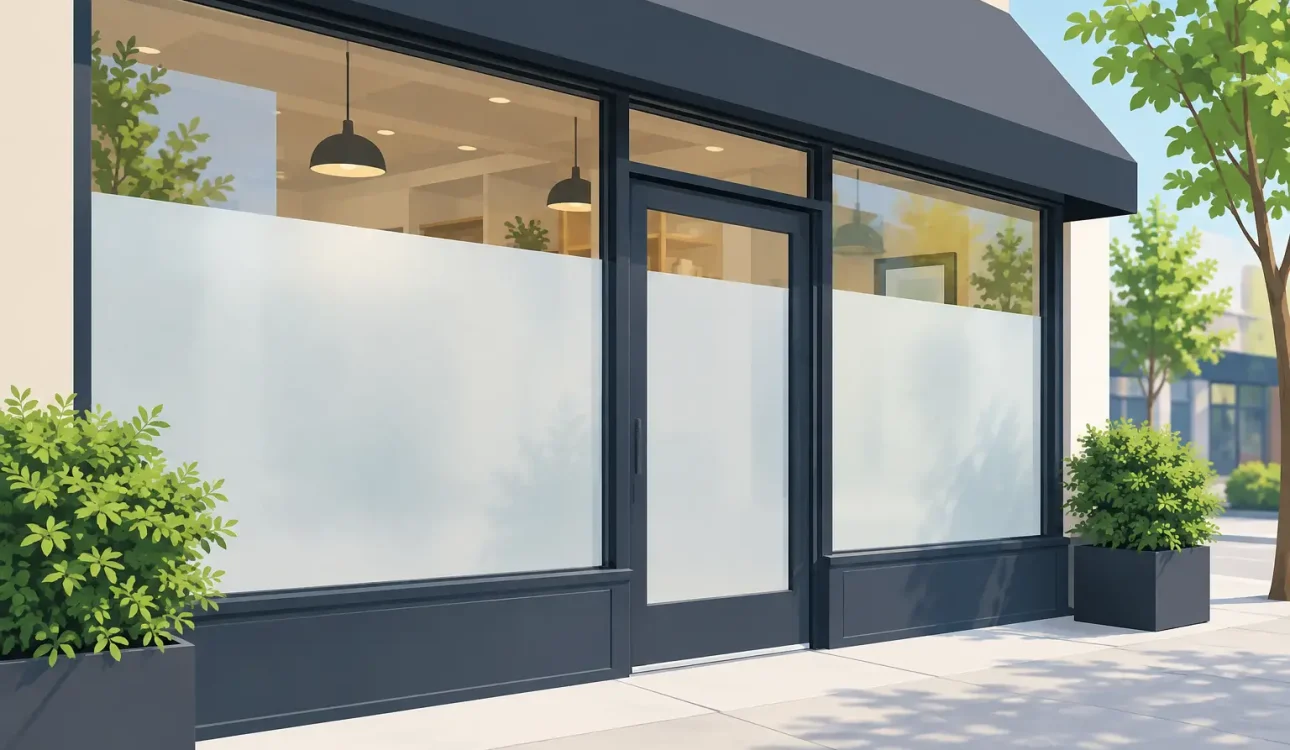
For many storefronts, full frosted coverage is unnecessary. A frosted band across the lower or middle section of the glass can shield seated customers, workstations, inventory, or payment areas while leaving the upper portion clear for daylight and visual openness. This approach is also effective for glass partitions just inside the storefront.
Modern frosted films are available in a range of finishes, from soft etched-glass looks to denser white-out effects. They offer a clean, professional appearance without the expense of sandblasted or acid-etched glass.
Decorative and custom-cut film
Privacy does not need to look purely functional. Decorative film can incorporate stripes, gradients, geometric patterns, or branded elements to create selective screening with a more distinctive visual result. A gradient design, for example, can offer stronger privacy at eye level while becoming clearer toward the top of the window.
This is a particularly useful option for businesses that want their glass to work as part of their interior design and brand presentation. A well-planned pattern can direct attention toward an entrance, frame product displays, or soften views into a space without covering every inch of the window.
Custom-cut layouts are often more effective than applying one film type across the entire façade. Privacy needs are rarely uniform. The section facing a cashier desk may require screening, while the display window next to it may need to remain clear.
Solar film with moderate privacy benefits
Some storefronts are primarily dealing with harsh sun, glare on screens, fading merchandise, and uncomfortable heat. In those cases, a high-performance solar film with a moderate tint or exterior reflectivity may be the most balanced choice. It may not create complete privacy, but it can make interior views less exposed while improving comfort and reducing cooling demand.
This is often the better route when preserving a light, welcoming appearance is more important than creating a mirrored façade. The trade-off is straightforward: the more natural and transparent the glass remains, the less privacy the film can provide.
Design around sightlines, not just the glass
The most successful storefront privacy plan starts from the sidewalk. Stand at the main approaches to the business and observe what is visible at standing height. Then look from inside at customer seating, POS terminals, staff desks, shelves, treatment beds, and confidential paperwork.
Privacy concerns are often limited to specific sightlines. A payment counter might only be visible through the lower third of a window. A private meeting table may be exposed from an adjacent building but not from the street. Treating every window the same can waste daylight and reduce the appeal of the storefront.
Consider the window’s direction as well. South- and west-facing glass often receives intense afternoon sun, increasing the value of solar-control film. Windows facing shaded walkways or neighboring buildings may have lower exterior light levels, which can reduce the daytime effectiveness of one-way film. A professional assessment should account for these real conditions rather than relying on a showroom demonstration.
Avoid the common privacy-film mistakes
The most common mistake is assuming that dark film automatically means private glass. Darkness may reduce visibility, but it does not guarantee the directional daytime privacy that reflective film provides. It can also make an interior feel dim, affect product presentation, and create a less inviting exterior.
Another mistake is overlooking evening operations. If your business is open after dark, decide early whether blinds, roller shades, or frosted coverage will be needed. This prevents disappointment once the lighting conditions change.
It is also worth checking building rules before selecting a highly reflective finish. Some landlords, shopping centers, and commercial properties restrict changes to exterior-facing windows. Window film specialists can help identify an appropriate solution that meets privacy goals without creating avoidable approval issues.
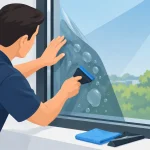
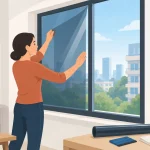
Finally, do not treat installation as an afterthought. Storefront windows are highly visible, and flaws such as uneven edges, trapped debris, or poorly aligned patterns can affect the entire appearance of the business. Precision installation matters as much as the film selection itself.
A practical approach for a better storefront
For businesses that need both visibility and discretion, combining solutions is often the strongest approach. Use solar or reflective film on sun-exposed public-facing glass, add frosted coverage at eye level around private zones, and retain clear areas for displays, signage, or entry visibility. This gives the storefront a purposeful look while addressing how people actually use the space.
ShieldShade International helps businesses evaluate privacy, heat, glare, and aesthetics as one connected decision. With premium film options and professional installation, the goal is not simply to cover glass. It is to make the storefront more comfortable, protected, and suited to the way your business welcomes customers.
Your windows are part of your customer experience. Choose a privacy solution that lets them work harder for your business – bright where you need openness, discreet where you need protection, and dependable through the busiest hours of the day.