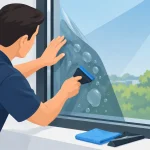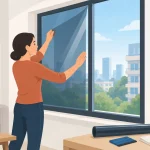
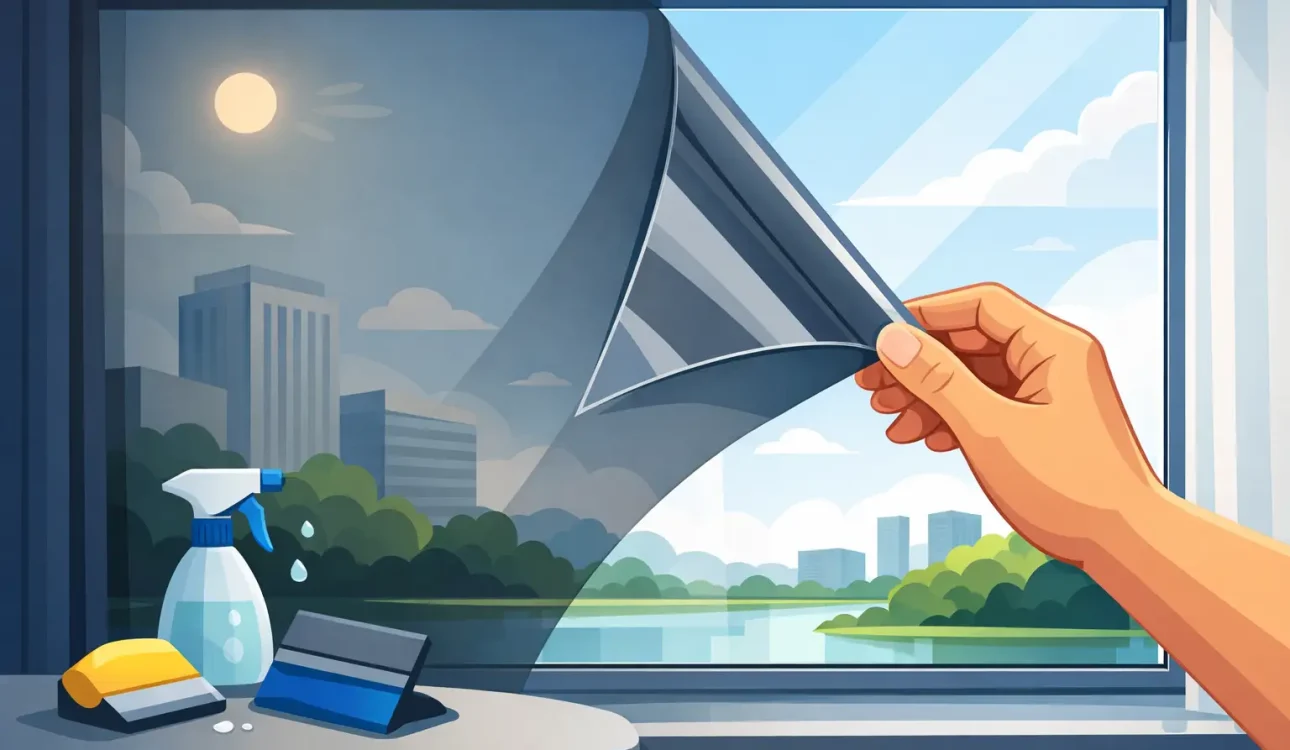
A room can feel noticeably cooler, more private, and easier on the eyes after window film is installed. But property needs change. You may be moving, renovating, replacing an old tint, or changing a dark privacy film to a lighter solar-control option. So, are window films removable? In most cases, yes. Quality window film can be removed from existing glass, but the result depends on the film type, its age, the adhesive, the glass condition, and the method used.
The film itself is rarely the difficult part. The challenge is removing it without leaving behind stubborn adhesive, scratching the glass, damaging nearby seals, or turning a straightforward upgrade into a long cleaning job. For homes, HDB apartments, offices, and retail spaces, professional removal is often the safest route when the film is old, heavily bonded, or installed across large glass panels.
Are Window Films Removable Without Damaging Glass?
Properly installed window film is designed to adhere firmly while it is in service, not to permanently alter the glass. A trained installer can generally remove solar film, frosted film, decorative film, privacy film, blackout film, and one-way reflective film without harming the glass beneath it.
That said, “removable” does not mean “peels off cleanly in one sheet.” Some newer films may lift relatively easily, especially if they have not been exposed to years of intense sun. Older film can become brittle, fade, or separate into layers. In those cases, the top layer may peel away while the adhesive remains on the window.
The condition of the glass matters as well. Glass with pre-existing scratches, chipped edges, failed seals, aftermarket coatings, or damage from prior cleaning requires more care. A professional will assess these details before choosing a removal method.
Why Window Film Removal Can Be More Difficult in Sunny Spaces
Heat and sunlight are major reasons window film performance matters, particularly in tropical, high-rise environments. They are also factors that affect removal over time. Constant UV exposure and high glass temperatures can cause older adhesives to harden, making them more difficult to release.
This does not mean solar film is a poor long-term choice. Premium films are built to withstand demanding conditions and deliver years of heat, glare, and UV control. It simply means that removal after many years needs the right tools, patience, and technique.
Film placed on large west-facing windows, sunrooms, shopfronts, or office facades may be more challenging to remove than film installed on a shaded interior glass partition. Darker films and reflective films can also respond differently than light ceramic solar films or simple decorative products.
What Happens During Professional Film Removal
Professional removal is a controlled process, not a quick scrape. The objective is to separate the film and adhesive while protecting the glass, window frame, silicone joints, and surrounding finishes.
The installer typically starts by testing a small corner and identifying how the film is constructed. Heat, steam, or a suitable release solution may be used to soften the adhesive. The film is then lifted gradually, with careful pressure applied to avoid tearing it into small pieces.
Once the visible film is removed, the remaining adhesive is treated and cleared with appropriate tools. This step takes time, especially on older installations. Finally, the glass is cleaned and inspected for residue, marks, or any pre-existing imperfections that were hidden by the film.
For commercial projects, removal can also involve access planning. Tall windows, large panels, storefront glazing, and occupied office areas require protection for furniture, floors, and nearby workstations. A reliable contractor will plan the work around building access requirements and minimize disruption to daily operations.
Can You Remove Window Film Yourself?
DIY removal may be reasonable for a small piece of decorative film on an accessible interior window, particularly if the film is recent and begins to lift cleanly. However, it is not always the cost-saving option it appears to be.
The most common DIY issue is adhesive residue. Homeowners often remove the film layer only to find a cloudy, sticky surface that attracts dust and takes hours to clean. Aggressive scrubbing or unsuitable blades can create fine scratches that become visible in direct sunlight. Household chemicals may also affect window frames, rubber gaskets, painted surfaces, or nearby furnishings.
Avoid pulling hard on dry, brittle film. Do not use abrasive pads, harsh solvents without checking their suitability, or sharp tools near window seals. Extra caution is needed around tempered glass, insulated glazing units, laminated panels, and glass with special factory-applied coatings.
If you are uncertain what type of glass or film you have, arranging an assessment is the more practical decision. The removal cost can be far less than repairing damaged glazing or living with adhesive haze on a large window.
When Removal Is Worth It
Removing existing film makes sense when it no longer delivers the performance or appearance you need. Common reasons include discoloration, bubbling, peeling edges, reduced clarity, or a change in privacy requirements. A tenant may also need to restore a window before handover, while a business may be refreshing its storefront or rebranding an office.
Removal is also useful when upgrading to newer film technology. Older dyed tints may provide shade but offer limited heat rejection compared with modern high-performance solar films. Replacing them can improve daytime comfort, reduce glare, and help protect interior furnishings from UV exposure while preserving more natural light.
For homes facing neighboring blocks or busy corridors, a change from clear glass to frosted or privacy film can make daily life more comfortable. In other spaces, the opposite is true: removing a dark film and installing a lighter solar film can restore brightness without giving up heat control.
Choosing a Replacement Film After Removal
Do not choose a new film based only on how dark it looks. Visible darkness, privacy, glare reduction, UV protection, and heat rejection are related, but they are not the same thing. The right choice depends on window orientation, room use, existing glass, and how much natural light you want to retain.
A bedroom with direct afternoon sun may benefit from a solar film that reduces heat and glare. A bathroom or glass-partitioned office may need frosted film for consistent privacy. A meeting room, media room, or unused storage area may be better suited to blackout film. Retail and commercial spaces may prefer decorative film that supports branding while keeping the interior welcoming.
One-way reflective film can be effective for daytime privacy, but it works best when the exterior is brighter than the interior. At night, when indoor lights are on, the privacy effect is reduced. This is a common point that should be discussed before installation rather than discovered afterward.
At ShieldShade International, recommendations are based on the actual function of the room and the condition of the glass, not a one-size-fits-all film grade. That approach helps property owners replace outdated film with a solution that performs well in the years ahead.
How to Prepare for Window Film Removal
Before removal begins, clear items away from the window area and move delicate furnishings if possible. Let the installer know about any cracks, chips, prior repairs, unusual window coatings, or building management rules that may affect the work.
For offices and retail locations, schedule removal during a quieter period if the windows are close to customer areas or workstations. Adhesive removal and final cleaning require access to the full glass panel, so allowing adequate workspace leads to a cleaner, faster result.
If replacement film is being installed, ask whether it can be completed on the same day. In many situations it can, although larger projects, difficult adhesive removal, or glass that needs additional cleaning may require more time. The right schedule should prioritize a precise finish over a rushed installation.
Window film gives you a flexible way to improve comfort, privacy, and appearance without replacing the glass. When your needs change, a careful removal and well-chosen replacement can make the same windows work harder for your home or business.