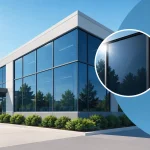

The glare on a balcony is rarely just an outdoor problem. When sunlight hits glass, pale flooring, neighboring façades, or water-facing views, it can reflect straight into the living room, home office, or bedroom. Balcony glare film is a practical way to soften that intensity without closing the curtains, darkening the space completely, or replacing existing glass.
For high-rise homes and commercial spaces, the right film can make a glass-heavy room noticeably more usable during bright hours. It reduces visual discomfort, helps manage solar heat, and protects interiors from a portion of damaging UV exposure. The key is choosing a film that addresses glare while preserving the view, daylight, and appearance you value.
Why balcony glare becomes a daily comfort issue
Direct sun is only part of the equation. Reflected light often causes the more frustrating problem: screen glare at a desk near the balcony, squinting during meals, television images that disappear in the afternoon, and a room that feels harsh even when the air-conditioning is running.
This is especially common in apartments and condos with broad balcony doors or full-height glazing. A west-facing balcony may receive intense late-day sun, while an east-facing unit can become uncomfortable early in the morning. Buildings across the street can also bounce light into your home, creating glare at angles that blinds and curtains do not always solve well.
Closing window coverings helps, but it also removes the daylight and outlook many homeowners paid for. A professionally selected solar film offers a different approach: it reduces the amount of solar energy and visible light entering through the glass while maintaining a more open feel.
How balcony glare film works
Glare-control films are applied to the interior surface of suitable glass. Their construction may include dyed, metallized, ceramic, or spectrally selective layers. Each technology manages light and heat differently, so a film should never be chosen solely by how dark it looks.
The glare reduction comes from lowering visible light transmission. In simple terms, less intense light passes through the glass, making the interior more comfortable for the eyes. At the same time, quality solar films can reject a meaningful amount of solar heat and filter UV radiation, which supports cooler rooms and helps reduce fading of flooring, furniture, artwork, and fabrics.
A darker film generally reduces more glare, but darkness is not automatically better. If the balcony area is shaded for much of the day or the room already has limited daylight, an overly dark selection can make the interior feel closed in. Modern ceramic and spectrally selective options can provide strong heat control with a lighter, more natural appearance, though they may cost more than standard dyed films.
Selecting the right glare film for balcony doors
The best choice depends on the orientation of your unit, the type of glass, how the space is used, and the level of privacy you want. A living room used mainly in the evening has different requirements from a home office that receives strong sun from 1 p.m. onward.
Consider the direction and timing of sunlight
Before choosing a shade, observe when the discomfort occurs. West-facing balconies usually need strong afternoon heat and glare control. East-facing glazing may benefit from a lighter film that takes the edge off morning brightness without making the space feel dim later in the day. South- and north-facing exposures vary based on nearby structures, window size, and local sun path.
A site assessment is more reliable than choosing from a small sample indoors. Film samples can look very different once installed on large balcony panels under actual sunlight.
Balance glare reduction with your preferred view
For homeowners who prioritize clear views, a neutral or lightly reflective solar film is often a strong starting point. It can reduce harsh brightness while retaining a more natural color balance. For rooms with severe glare, a medium-tone film may offer a better performance trade-off.
Reflective films can provide excellent solar control and daytime privacy, particularly in exposed urban settings. However, their exterior appearance is more noticeable, and nighttime privacy changes when interior lights are brighter than outdoors. If privacy is the main goal, discuss that separately rather than assuming any dark or reflective film will solve it around the clock.
Check glass compatibility before installation
Not every film suits every glass panel. Tempered glass, laminated glass, insulated units, existing coated glass, and certain double-glazed systems can respond differently to absorbed heat. The wrong film may increase thermal stress and, in rare cases, raise the risk of glass damage.
An experienced installer checks the glass type, panel size, edge condition, and exposure before recommending a product. This step matters particularly for balcony doors, which are often large panels exposed to substantial sunlight. It is not a detail to skip for the sake of a lower quote.
What to expect from a quality installation
A clean installation begins with detailed glass preparation. Dust, adhesive residue, and surface contaminants must be removed before the film is applied. The film is then precisely trimmed and squeegeed to remove application solution and air pockets.
Immediately after installation, a light haze or small water pockets may be visible. This is normal during the curing period and usually clears as the moisture evaporates. Drying time depends on the film type, weather, and glass conditions. Avoid pressing on the film edges or cleaning it until your installer confirms it has cured sufficiently.
For balcony doors, neat edge finishing is particularly important. These panels are highly visible, frequently handled, and often viewed at an angle where poor trimming becomes obvious. Professional workmanship protects both the appearance and the long-term bond of the film.
Common mistakes when choosing glare-control film
The lowest-priced option can be tempting, but balcony glass is not the place for a generic, unverified film. Low-grade products may discolor, bubble, lose adhesion, or deliver far less heat rejection than expected. Their performance claims can also be difficult to verify.
Another common mistake is selecting the darkest available shade to solve a heat problem. A very dark film may reduce glare substantially, yet it can alter the exterior look of the building, affect indoor plant growth, and make the room feel gloomy on overcast days. Some strata, condo, or building management rules may also limit visible exterior changes. Always check applicable guidelines before installation.
Homeowners also sometimes confuse reflective film with blackout film. Reflective solar film still admits daylight and gives a degree of outward visibility. Blackout film blocks the view and light much more completely, making it better suited to specific areas such as media rooms, storage spaces, or privacy-sensitive glass rather than a balcony you want to enjoy.
Maintaining your balcony film
Once fully cured, window film requires simple care. Use a soft microfiber cloth with clean water or a mild, ammonia-free cleaner. Avoid abrasive pads, harsh powders, blades, and strong solvents that can scratch the surface or damage edge adhesion.
Regular cleaning prevents salt residue, airborne dust, and fingerprints from dulling the glass, particularly on balcony panels near open windows or high-traffic doors. If you notice lifting at an edge, bubbling that persists after curing, or a change in appearance, contact the installer rather than trying to cut or reattach the film yourself.
A better view should still feel like your home
The purpose of balcony glare film is not to turn a bright home into a dark one. It is to make daylight more comfortable, screens easier to see, and rooms near the balcony more pleasant to use. The best result comes from matching film performance to the real conditions of your glass, not selecting a shade from a photo.
With premium films sourced for tropical sun exposure and precise installation, ShieldShade International helps property owners improve comfort without the disruption of replacing glass. A proper on-site assessment can turn an afternoon you usually avoid into the best part of your home.