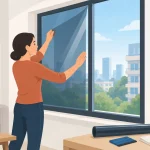

A sunny window can make a room feel open and inviting until the afternoon heat, harsh glare, and fading furnishings take over. This house window tinting guide explains how to choose a film that improves comfort without sacrificing the daylight and views that make your home feel like home.
For homeowners in warm, high-sun environments, window film is a practical upgrade that works with the glass you already have. The right film can reduce solar heat, soften glare on screens, block damaging UV rays, and add privacy where nearby buildings or busy streets make windows feel too exposed. The key is matching the film to each room, rather than choosing one shade for every window.
Start With the Problem You Want to Solve
Window tinting is not one product with one result. Films vary in construction, color, reflectivity, visible light transmission, and heat-rejection performance. A film that works beautifully in a west-facing living room may be too dark for a shaded bedroom or too reflective for a window where you want a natural exterior appearance.
Begin by looking at how each window performs throughout the day. South- and west-facing glass often receives the strongest direct sun and may create uncomfortable heat buildup in living spaces, home offices, and bedrooms. East-facing windows can bring intense morning glare, while large panes near neighboring homes may create a privacy issue even when heat is not the primary concern.
Think about what you notice most often. Is the air-conditioning working harder than it should? Do you close blinds to see your television or computer screen? Are wood floors, artwork, curtains, or furniture fading near the glass? Those observations point to the type of film performance that should lead your decision.
House Window Tinting Guide: Know the Main Film Types
Solar control film for heat and glare
Solar window film is the first choice for rooms that feel hot or overly bright. Premium solar films are designed to reject a significant portion of solar energy while allowing useful daylight into the room. Depending on the selected product, they can reduce glare and help lessen the strain placed on air-conditioning systems.
The best option is not always the darkest film. Some modern high-performance films use advanced ceramic or spectrally selective technology to reject heat while maintaining a lighter, more natural look. This is especially useful in living rooms, kitchens, and home offices where you want comfort but still want the room to feel bright.
Privacy and blackout film
Privacy film gives homeowners more control over what can be seen through their windows. Frosted films obscure the view from both sides while continuing to admit light, making them well suited to bathroom windows, glass doors, and interior partitions. They provide privacy all day and all night because the effect does not rely on exterior light.
Blackout film is different. It blocks the view and substantially reduces or eliminates light through the glass. It is useful where total visual screening is required, such as a storage area, a media room, or a window facing an unattractive service space. Because it changes the feel of a room dramatically, blackout film should be selected deliberately rather than as a default privacy solution.
One-way reflective film
One-way reflective film can create daytime privacy by making the brighter side of the glass more reflective. In daylight, people outside may see a reflective surface while occupants retain a view outward. It can be effective for street-facing windows and close-facing apartment windows, particularly when paired with solar-control performance.
There is an important trade-off: one-way privacy reverses when indoor lighting is brighter than outdoors. At night, a lit room may be visible from outside unless curtains, blinds, or another privacy measure are used. A professional consultation should make this limitation clear before installation.
Decorative and frosted film
Decorative films are designed for homeowners who want privacy with a more refined visual result. Available in patterns, gradients, and textured effects, they can break up clear glass without the cost and disruption of replacing it. They are popular for entry sidelights, shower screens, kitchen glass, and home office partitions.
Look Beyond Darkness: The Performance Ratings That Matter
A darker film may reduce visible light, but darkness alone does not tell you how well a film controls heat. When comparing options, ask about total solar energy rejected, glare reduction, UV rejection, and visible light transmission.
Total solar energy rejected indicates how much solar energy the film helps keep from entering the room. Higher performance can mean a more comfortable space, though the final result also depends on window direction, glass type, window size, shading from buildings or trees, and the room’s ventilation.
Visible light transmission measures the amount of light that passes through the film and glass. A lower percentage creates a darker appearance. This can be useful in an intensely sunny room, but it may not suit areas where daylight is already limited. For many homes, a medium or light solar film offers the best balance between brightness, glare control, and heat rejection.
UV protection matters for both people and interiors. Quality window films can block a high percentage of ultraviolet rays that contribute to fading and material deterioration. Film is a valuable layer of protection for furniture, flooring, fabrics, and displays, although no solution can completely stop fading caused by heat, visible light, and time.
Match the Film to the Room
A whole-home installation does not have to use a single film. In fact, room-by-room planning often produces a better result.
A west-facing living room may benefit from a high-performance solar film with moderate visible light transmission. The goal is to reduce afternoon heat and glare while preserving the view. A home office may need similar heat control but with careful attention to screen visibility and color neutrality. A bathroom window may only need frosted privacy film, while a bedroom facing a nearby building may need a combination of daytime reflective privacy and curtains for nighttime coverage.
Before choosing a darker tint for every window, consider how the rooms are used after sunset. Dark film can make interiors feel more enclosed at night and may change the exterior appearance of the home. Local building rules, homeowner association requirements, and condominium guidelines can also affect what is allowed, especially for highly reflective exterior films.
Why Installation Quality Changes the Result
Window film is only as good as its installation. Proper application requires careful surface preparation, precise cutting, clean working conditions, and the correct technique for the glass type. Dust, trapped debris, uneven edges, and poor adhesion can affect both appearance and long-term performance.
Experienced installers also assess whether a particular film is compatible with the existing glass. This matters because different glass constructions respond differently to absorbed heat. Tempered, laminated, insulated, and coated glass may require specific film recommendations. Installing an unsuitable product can increase the risk of thermal stress, which is why technical evaluation should come before color selection.
At ShieldShade International, recommendations are based on the room, the glass, and the outcome you want to achieve – not simply the darkest film available. That approach helps homeowners invest in a solution that performs well in real daily conditions.
Care for Your Film After Installation
Freshly installed film needs time to cure. Small water pockets or a slightly hazy appearance may be visible during this period, particularly in humid conditions, and typically clear as the moisture evaporates. Your installer should explain the expected curing timeline for the film and weather conditions.
Once cured, clean tinted windows with a soft cloth or rubber squeegee and a mild, non-abrasive cleaning solution. Avoid rough pads, blades, and harsh chemicals that can scratch or damage the film surface. Consistent gentle cleaning keeps the glass clear and helps preserve the finished appearance.
A well-chosen window film should make your rooms easier to live in, not noticeably darker or more complicated. Assess where the sun is causing problems, decide what level of privacy you need after dark, and choose performance ratings that support how each room is actually used. The result is a more comfortable home with a clearer view of what matters.