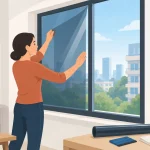

A window can be the brightest feature in a room and the reason it never feels fully private. Privacy tint addresses that tension by changing what can be seen through the glass without forcing you to block every source of natural light. For apartments facing neighboring buildings, street-level rooms, glass-partitioned offices, and entry doors, the right film can make a daily difference.
The key is choosing a film based on when privacy is needed, where the glass is located, and how much daylight you want to keep. A darker film is not automatically more private, and a reflective film does not behave the same way after sunset. Understanding those differences before installation prevents an upgrade from becoming an expensive compromise.
What Privacy Tint Does for a Space
Privacy window film is applied directly to existing glass to limit visibility from one side, obscure details, or create a deliberate visual boundary. Depending on the film type, it can provide a clear outward view during the day, a softly blurred appearance on both sides, or complete visual separation.
For homeowners, the benefit is often immediate. Bedrooms, bathrooms, kitchens, and living areas can feel more comfortable when nearby windows look directly into them. In dense residential settings, privacy film helps reduce the feeling of being on display while retaining the openness that makes a room feel larger.
For commercial spaces, privacy can be functional as well as personal. Frosted films can separate meeting rooms, consultation areas, and work zones without the cost or disruption of replacing glass panels. They also help keep screens, documents, and conversations less exposed in offices with open layouts.
Many privacy films also provide useful secondary benefits. Solar-control options can reduce glare, reject a portion of solar heat, and filter UV exposure that contributes to fading on flooring, furnishings, and displays. The exact performance depends on the product, glass type, and orientation of the window.
The Main Types of Privacy Tint
There is no single film that is best for every window. The most suitable choice depends on whether you need privacy all day, privacy from a particular direction, or a design treatment that changes the look of the room.
One-way reflective film
Reflective privacy film creates a mirror-like exterior appearance when the outside is brighter than the interior. During daylight hours, people outside have a much harder time seeing in, while occupants can generally maintain a view outward. This makes it a popular option for sun-facing living rooms, offices, and retail spaces where heat and glare are also concerns.
However, one-way privacy is driven by lighting conditions, not by the film alone. At night, when indoor lights are brighter than the exterior, the effect reverses. Anyone outside may be able to see in unless curtains, blinds, or another window covering is used. This is the trade-off that should be discussed clearly before selecting reflective tint.
Frosted and etched-look film
Frosted film diffuses light and obscures visibility from both sides, making it one of the most dependable choices for around-the-clock privacy. It is especially effective for bathroom windows, glass doors, shower enclosures, office partitions, and windows that face a very close neighbor.
Unlike reflective film, frosted film is not intended to preserve a clear view. It replaces that view with soft light and visual separation. For many spaces, that is precisely the point. A high-quality frosted finish can look clean and architectural while avoiding the heavier appearance of blinds or curtains.
Decorative privacy film
Decorative films combine privacy with visual character. Patterns, gradients, bands, and textured effects can obscure targeted areas of glass while leaving other sections clearer. This is useful when complete coverage would make a room feel closed in or when the film needs to support an interior design concept.
In offices, a subtle stripe or gradient can mark meeting rooms and improve privacy without turning every glass wall into a solid barrier. In homes, decorative film can add personality to sidelights, cabinet glass, or entry panels while still allowing daylight through.
Blackout film
Blackout film is designed for full visual coverage. It is appropriate when visibility and transmitted light both need to be eliminated, such as for storage areas, equipment rooms, certain back-of-house spaces, or highly private sections of a property.
It is not usually the first choice for a primary living space because it sacrifices daylight and outward views. Yet in the right setting, blackout film offers a direct, durable solution that curtains cannot always provide.
How to Choose Privacy Tint for Each Room
Start with the practical question: what do you want people to stop seeing? If you need to prevent a direct view into a bathroom or conference room at all hours, frosted or opaque film is normally the stronger choice. If you want daytime privacy along with heat and glare control in a sun-exposed room, a reflective solar film may be more suitable.
Then consider the room’s relationship with natural light. North-facing windows may not need the same solar performance as windows exposed to strong afternoon sun. A bedroom might benefit from stronger privacy, while a living room may need a brighter film that retains its view. For a home office, reducing screen glare can be just as valuable as limiting outside visibility.
Glass doors require special attention. A full opaque treatment may create privacy but can make an entrance harder to navigate or reduce the sense of welcome. A partial frost, decorative banding, or gradient film often provides a better balance. The same approach works well for office doors, where privacy is needed but visibility for safety and wayfinding still matters.
Privacy, Heat Control, and Glare Are Different Jobs
Customers often assume that dark glass automatically solves privacy, heat, and glare. It can help with some of these concerns, but each is a separate performance requirement.
A dark tint may reduce visible light and glare, but it may not provide dependable nighttime privacy. A frosted film can offer excellent privacy while doing little to control heat. A premium solar film can reduce heat and UV exposure while delivering only partial privacy. The best outcome often comes from specifying the film for the primary need first, then selecting a product that adds the most useful secondary benefits.
This matters in warm, sun-intense climates, where windows can drive up indoor discomfort and cooling demand. A professional assessment should consider sun direction, window size, existing glass, room use, and whether occupants need a clear outward view. It is a more reliable approach than choosing a film based only on how dark it looks in a sample book.
Installation Quality Shapes the Result
Even premium window film can underperform if it is incorrectly selected or poorly installed. The glass must be properly cleaned and prepared, edges need careful finishing, and the installer must account for the compatibility of the film with the existing glass system. Incorrect film selection can create avoidable stress on certain glass types, particularly where heat exposure is high.
Professional installation also matters for appearance. Bubbles, contamination, uneven alignment, and poorly cut edges are highly visible on large windows and glass partitions. An experienced installer can recommend coverage layouts, manage challenging panes, and explain curing time so customers know what to expect after application.
ShieldShade International approaches privacy film as a performance decision, not simply a cosmetic one. The right recommendation considers the view, lighting conditions, thermal exposure, and the everyday demands of the people using the space.
Before You Commit to a Film
Ask to see samples against your actual glass whenever possible. A film can look different under showroom lighting than it does on a bright exterior window. Check the film from both sides of the glass, during the day and after dark if reflective privacy is under consideration.
Also confirm how you plan to maintain the glass. Most professionally installed films are easy to clean, but abrasive tools and harsh products can damage the surface. A clear care recommendation helps preserve the finish and clarity over time.
The best privacy solution should not make your space feel smaller, darker, or disconnected from the outdoors. It should make the room feel more comfortable to use. When the film matches the way light moves through your property and the level of privacy you truly need, your windows can remain an asset rather than a daily concern.