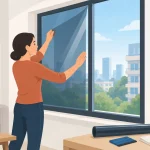

By 3 p.m., a west-facing room can feel noticeably different from the rest of the home. Sunlight streams in at a low angle, floors and furniture heat up, screens become difficult to see, and the air-conditioning has to work harder. The right solution for cool west facing room windows is not always heavier curtains or replacing the glass. High-performance solar window film can reduce solar heat and glare while preserving the daylight and outward view that made the room appealing in the first place.
For homes, condos, apartments, and offices in hot, sunny urban environments, west-facing glass deserves special attention. Afternoon sun is intense, direct, and often hardest to manage during the hours when people are working, cooking, relaxing, or returning home.
Why West-Facing Windows Feel So Hot
A west-facing window receives its strongest exposure later in the day, when outdoor temperatures have already built up. The sun sits lower in the sky than it does at midday, sending direct light deeper into a room. That is why a living room may look bright and pleasant in the morning but become uncomfortably hot by late afternoon.
The issue is not only visible light. Solar energy passing through ordinary glass includes infrared heat, which warms interior surfaces, and ultraviolet radiation, which contributes to fading over time. Upholstery, timber flooring, artwork, rugs, and merchandise near the glass can all be affected by repeated exposure.
Curtains and blinds help with brightness, but they usually block the view and may trap heat after it has already entered through the glass. Exterior shading can be highly effective, although it may not be practical for apartments, shared buildings, or existing commercial façades. Solar window film is a practical retrofit because it works directly on the glass without a major renovation.
How Solar Film Creates Cool West Facing Room Windows
Solar window film is a thin, professionally applied layer designed to manage the sun before it heats the room. Quality films use dyed, metalized, ceramic, or spectrally selective technology to reduce a portion of solar energy entering through the glass. The best choice depends on the window orientation, glass type, desired appearance, and how much natural light the space needs.
For west-facing rooms, the goal is usually balance. A film should lower heat and glare substantially without making the room feel dark or changing the exterior appearance more than necessary. This is where a professional recommendation matters. The darkest film is not automatically the coolest, and a highly reflective option may not suit every building or homeowner preference.
The performance figures that matter
When comparing films, look beyond a simple claim that a product is “heat reducing.” Several measurements provide a clearer picture of how it may perform:
- Total solar energy rejected indicates how much overall solar energy the film helps keep out. Higher figures generally mean better heat control.
- Visible light transmission shows how much natural light passes through the film. A lower percentage creates a darker appearance.
- Glare reduction is especially useful for TV rooms, home offices, meeting rooms, and spaces with low-angle afternoon sun.
- UV rejection helps protect interiors from much of the ultraviolet radiation associated with fading and sun exposure.
- Interior and exterior reflectivity affects daytime appearance, privacy expectations, and the amount of mirror-like reflection on the glass.
These figures need to be assessed together. A very dark film may provide strong glare control, for example, but it can make a compact room feel enclosed. A light, spectrally selective film may keep a cleaner, brighter look while still delivering meaningful heat reduction. The appropriate option depends on how the room is used.
Match the Film to How You Use the Room
A west-facing living room often needs a different solution from a bedroom or storefront. In a living area, homeowners commonly want cooler afternoons without losing the view. A neutral solar film with moderate visible light transmission can reduce harsh brightness while keeping the space welcoming.
Bedrooms may prioritize comfort and privacy. If the room receives intense direct sun and occupants sleep or rest during daylight hours, solar film can be combined with curtains or blinds for more complete light control. Film reduces the heat load throughout the day, while the window treatment provides flexibility when darkness is needed.
Home offices benefit from glare reduction. Low-angle sunlight can create reflections on monitors, force people to close blinds, and make video calls less comfortable. A carefully selected film can improve screen visibility while preserving useful daylight.
For offices and commercial spaces, consistency matters. West-facing meeting rooms, reception areas, and perimeter workstations can become hot spots that trigger comfort complaints. Applying an appropriate film across the affected glazing can help create a more even indoor environment and reduce dependence on blinds during business hours.
Choose Appearance Carefully: Clear, Neutral, or Reflective
Window film does not have to make glass look black or mirror-like. Modern solar films are available in a range of finishes, from nearly clear to neutral gray, subtle blue-gray, and more reflective styles. The right appearance should support both performance and the character of the space.
A lighter film is often preferred when preserving daylight is the priority. This can be a strong choice for smaller rooms, kitchens, and interiors with limited natural light from other directions. It may not achieve the same heat rejection as a darker or more reflective film, so expectations should remain realistic.
Neutral medium-tone film is a common option for west-facing rooms because it delivers a noticeable reduction in glare and solar heat without creating an overly dramatic look. Reflective films can offer higher daytime heat rejection and daytime privacy, but they change the exterior appearance and do not provide privacy once indoor lights are brighter than outside at night.
If privacy is the main concern rather than heat, frosted or decorative film may be more suitable for selected panes. These films obscure views but do not necessarily provide the same solar-control performance as dedicated solar film. In many homes, a combination approach works best: solar film on the main sun-exposed glass and privacy film where neighboring windows are close.
Avoid the Common Mistakes
The most expensive mistake is choosing film by color alone. A dark tint can look convincing, but its actual heat-control performance varies by construction and brand. Always compare the technical specifications and ask how the selected film performs on your specific glass.
Another mistake is overlooking glass compatibility. Some insulated, tempered, laminated, coated, or double-pane windows require careful film selection. Applying an unsuitable product can increase thermal stress on certain glass types or affect manufacturer warranties. A professional site assessment should identify the glass construction, window condition, existing coatings, and any building restrictions before installation.
Do not assume film will eliminate all heat. A room with large west-facing glass, minimal insulation, and direct afternoon exposure may still need air-conditioning. The practical benefit is that the system should not have to fight as much solar gain, and occupants should experience less glare and radiant discomfort near the window.
Finally, be cautious about low-cost, unbranded films. Poor-quality products can discolor, bubble, peel, or lose performance earlier than expected. Premium films from established manufacturers are designed for long-term clarity, adhesion, and climate performance, but correct preparation and installation are equally important.
Why Professional Installation Changes the Result
Window film installation is precision work. Glass must be thoroughly cleaned, film must be cut accurately, and edges need careful finishing to achieve a clean result. Dust, contaminated glass, improper moisture control, or rushed application can affect appearance and longevity.
An experienced specialist also helps define the real problem before recommending a product. Is the room too hot, too bright, exposed to nearby neighbors, or difficult to use because of screen glare? The answer determines whether a light solar film, a higher-performance ceramic film, a reflective option, or a combined treatment is the better investment.
ShieldShade International approaches window film as a performance upgrade, not simply a tint. With premium film options sourced from established international manufacturers and installation experience across residential and commercial spaces, the focus is on selecting a solution that fits the glass, the exposure, and the way the room is used.
A Better Afternoon Starts at the Glass
West-facing windows should not force you to choose between a bright view and a comfortable room. With the right solar film, you can reduce the sharp afternoon heat, soften glare, and help protect the finishes you have invested in, all without replacing existing glass. Start with a proper assessment of the room and its windows, then choose performance that makes the space more comfortable when the afternoon sun is at its strongest.