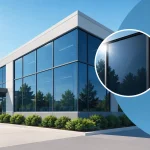

A street-facing display has one job: make people stop, look, and walk in. Yet direct sun, reflected heat, harsh glare, and exposed glass can quietly work against it. Effective retail display protection preserves the condition of merchandise, improves visibility through the storefront, and helps create a more comfortable environment for shoppers and staff.
For retailers, display windows are not simply glass panels. They are valuable selling space. Whether they frame apparel, electronics, cosmetics, furniture, food products, or seasonal promotions, they need to look clear and inviting throughout the day. The right window film can help protect that investment without the cost and disruption of replacing existing glass.
Why Retail Display Protection Matters
Sunlight can make a storefront look bright and open, but uncontrolled exposure has a cost. Ultraviolet radiation is a leading cause of fading in textiles, packaging, printed signage, wood finishes, flooring, and display fixtures. Heat can also affect sensitive products, from cosmetics and chocolates to leather goods and electronic equipment.
The damage is often gradual, which makes it easy to miss until a display looks uneven or stock loses its original color. A garment nearest the window may fade faster than the rest of the collection. Printed campaign graphics can become dull before a promotion ends. Wood shelving and flooring may show distinct light patches when fixtures are moved.
High-quality solar window film addresses this issue by filtering a significant amount of UV radiation while also reducing solar heat gain. This gives retailers a practical way to preserve display materials and merchandise while maintaining the natural light that makes a space feel open.
Glare is another common concern. A window that catches the afternoon sun can become difficult to see through, particularly when customers are viewing products, price tags, digital screens, or promotional graphics. If people cannot clearly see what is on display, the window is no longer working as a sales tool. Film selection should therefore balance glare reduction with appropriate visible light transmission.
Window Film for Retail Display Protection
Not every retail space needs the same film. A luxury boutique with carefully lit window displays has different priorities from a convenience store, showroom, salon, or office-facing retail unit. The best solution depends on the building orientation, glass type, hours of strongest sun, display materials, and the look the business wants to maintain.
Solar Film for Heat, Glare, and UV Exposure
Solar film is often the most versatile option for retail storefronts. It can reduce heat entering through glass, lower uncomfortable glare, and block the UV exposure that contributes to fading. In hot, sunny climates, this may also reduce the burden on air conditioning, especially in stores with large glass facades.
The trade-off is that stronger heat-rejection films may have a darker tint or more reflective appearance. That can be useful where privacy and solar control are the priority, but it may not suit a store that relies on a fully transparent, high-visibility window display. A professional assessment helps identify a film grade that protects the interior without making the storefront feel closed off.
For many retailers, a spectrally selective film offers a strong middle ground. These films are designed to reject substantial heat while keeping the glass relatively clear. They can be particularly suitable for premium retail environments where true product color and an unobstructed view are essential.
Safety and Security Film for Exposed Glass
Retail glass also faces physical risks. Accidental impact, attempted forced entry, vandalism, and severe weather can cause a pane to break. While window film does not make glass unbreakable, safety and security film can help hold shattered glass together after impact. This may reduce hazardous flying shards and make cleanup more manageable.
For storefronts in high-traffic areas, that added retention can be valuable. It may also provide a degree of delay during an attempted intrusion, buying time for response. The level of protection depends on the film thickness, adhesive system, glass specification, and installation method. For higher-risk locations, an anchoring system may be recommended to improve how the film performs under force.
Security film should be selected for realistic expectations. It is not a replacement for shutters, alarms, access control, or good lighting where those measures are needed. It is one layer in a broader protection plan, with the advantage of preserving the everyday appearance of the storefront.
Decorative and Frosted Film for Controlled Visibility
Some businesses need their displays visible from the street while keeping selected areas private. Frosted and decorative films allow retailers to control sightlines without permanent alterations to the glass. They work well for consultation rooms, stock areas, treatment spaces, fitting zones, and lower sections of glazing where privacy matters.
A salon, clinic, or specialty store may use a frosted band to shield seated customers while keeping the upper glass clear for branding and daylight. Decorative film can also reinforce a store identity through patterns, textures, or custom-cut designs. This is a useful alternative when full blackout would make the space feel too enclosed.
Selecting the Right Film for Your Storefront
The most reliable choice begins with how the display is used, not with a tint color. Start by observing when sunlight reaches the glass and how it affects the space. Morning sun on an east-facing facade creates different issues than intense late-afternoon exposure on a west-facing storefront. Nearby buildings, covered walkways, and reflected light from roads or water can also change the amount of heat and glare entering the store.
Next, consider what is behind the glass. Products with sensitive dyes, natural materials, printed surfaces, or temperature limitations need stronger protection than a simple mannequin display. Retailers using digital displays should also assess screen visibility, since glare can reduce readability even when the interior itself feels comfortable.
Appearance matters as well. Reflective film may offer excellent daytime solar control and privacy, but its exterior finish can affect how shoppers perceive the store. Neutral and lightly tinted films are often preferable when brand presentation depends on a clear, welcoming facade. At night, interior lighting can reverse the privacy effect of certain reflective films, so a daytime-only expectation should be discussed before installation.
It is equally important to verify compatibility with the existing glass. Different glazing systems respond differently to absorbed heat. Applying an unsuitable film to certain insulated or treated glass units can increase thermal stress and may affect manufacturer warranties. An experienced installer should identify the glass type, review the intended film, and recommend an option designed for safe long-term performance.
Installation Quality Protects the Investment
Even premium film cannot deliver its full value if it is poorly installed. Visible contamination, uneven edges, bubbles, or gaps can distract from a carefully designed display and undermine customer confidence. In retail, where every detail contributes to the shopping experience, clean workmanship matters.
Professional installation starts with careful surface preparation. Glass must be cleaned thoroughly, measurements must account for frames and hardware, and the chosen film must be applied precisely. After installation, the film needs time to cure. During that period, mild haziness or small water pockets may be visible, depending on the product and conditions. These typically clear as the adhesive settles.
Retailers should also ask about maintenance. Most window films can be cleaned with a soft cloth or synthetic sponge and a mild, non-abrasive cleaning solution. Avoid rough pads, blades, and harsh chemicals that could scratch the film surface or affect its finish. A simple care routine helps the installation remain clear and professional-looking for years.
A Smarter Way to Protect High-Value Displays
Retail display protection works best when it supports the sales environment rather than changing it. The goal is not to make storefront glass darker by default. It is to reduce the sun-related damage, glare, heat, and exposure that can weaken a display’s impact over time.
ShieldShade International helps businesses match premium window film solutions to the practical demands of their space, from bright storefronts and showrooms to private consultation areas. With the right film and precise installation, existing glass can become a more effective barrier against the conditions that quietly erode merchandise and customer comfort.
Before your next visual merchandising refresh, stand outside your store at the brightest time of day. If glare hides the products, the glass feels hot, or displayed materials are fading faster than expected, the window itself may be the most valuable upgrade to address.