A west-facing living room can feel the difference when the afternoon sun hits: hot glass, harsh glare on the TV, and furnishings that fade faster than expected. Window film is designed to improve that daily experience without replacing the glass, but homeowners and facility managers naturally want to know: how long does window film last before it needs attention?
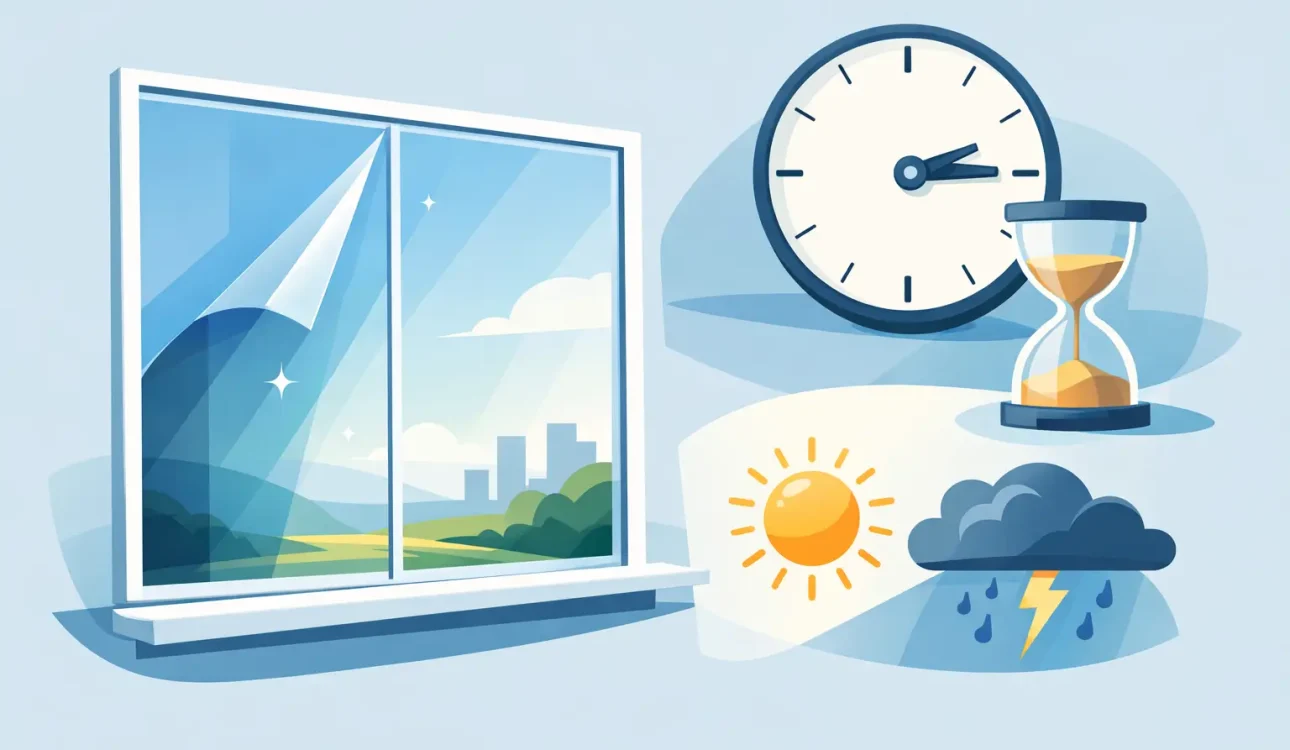
For a professionally installed, high-quality product, window film commonly lasts 10 to 15 years, and premium films can perform well beyond that under favorable conditions. The real answer depends on the film type, glass condition, sun exposure, installation quality, and how the window is maintained. A film installed on a shaded interior window does not face the same demands as one protecting a large, sun-facing office facade in a hot, humid climate.
How Long Does Window Film Last in Real Conditions?
There is no single lifespan that applies to every window film. Solar control film, privacy film, frosted film, decorative film, and blackout film use different materials and serve different purposes. Their longevity is also shaped by where they are installed and what they are expected to withstand.
As a practical benchmark, professionally installed interior solar window film often delivers reliable performance for a decade or longer. High-grade films with durable adhesives, UV-resistant coatings, and stable color technology may last 15 to 20 years. Decorative and frosted films in low-exposure areas, such as interior office partitions or bathroom windows, can also last many years because they are not exposed to the full force of weather and sunlight.
Exterior-applied film usually has a shorter expected service life. It is directly exposed to rain, heat, cleaning, windblown debris, and ultraviolet radiation. It may be the right technical choice for certain glass systems, but it requires a product selected specifically for exterior use.
Manufacturer warranties provide a useful reference point, but they should not be treated as a guaranteed replacement date. A warranty reflects the product’s tested coverage and terms. Actual lifespan can be longer when the film is correctly matched to the glass and installed with care.
The Factors That Determine Film Lifespan
Film quality and construction
Not all window films are made to the same standard. Entry-level films may provide an immediate reduction in glare or visibility, but cheaper dyes, adhesives, and coatings can break down earlier. Common signs include discoloration, bubbling, peeling at the edges, or a hazy appearance.
Premium film is engineered for long-term optical clarity and heat performance. Better products use more stable pigments, advanced metallized or ceramic layers, and adhesives designed to remain secure through years of temperature changes. For solar film, this matters because a product that looks good on day one should continue to reject heat and reduce glare well into the future.
Sun exposure, heat, and humidity
Windows that receive direct afternoon sun work harder than shaded windows. Constant solar loading can raise glass temperatures significantly, especially on broad panes facing west or southwest. In tropical climates, year-round heat and humidity add another layer of stress.
That does not mean solar film is unsuitable for hot locations. It means film selection must be more precise. A quality solar film helps manage heat and UV exposure, but the film itself must be rated for the environment and compatible with the glazing. Choosing the right specification protects both comfort and longevity.
Glass type and compatibility
The glass behind the film is as important as the film itself. Single-pane, insulated, tempered, laminated, low-E, and tinted glass can react differently to absorbed solar energy. Applying an overly absorptive film to an incompatible glass type can increase thermal stress and, in some cases, raise the risk of glass damage.
A professional assessment identifies the glass type, its condition, window orientation, and the room’s needs before recommending a film. This is particularly valuable for large commercial windows, older properties, and spaces with double-pane or specialty glazing. The goal is not simply to install the darkest film. It is to select a solution that achieves heat control, privacy, or glare reduction without compromising the glass.
Installation quality
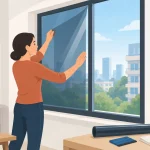
Even the best film cannot compensate for poor preparation or rushed installation. Dust, residue, incorrect trimming, inadequate curing, and contaminated edges can shorten the life of the installation. Small flaws may not be obvious immediately, but they can become more visible as the film settles and the adhesive ages.
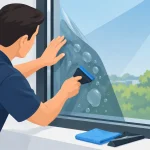
Professional installers prepare the glass thoroughly, use the correct application methods, and finish the film cleanly around edges and seals. They also allow for normal curing behavior. Freshly installed film may appear slightly hazy or show small water pockets at first. This is usually part of the drying process, not a failure. Depending on weather and film type, full curing can take several days or longer.
Cleaning and daily care
Window film is durable, but it should not be cleaned as aggressively as bare glass. Abrasive pads, harsh powders, sharp tools, and ammonia-heavy cleaners can scratch the surface or weaken edges over time. A soft microfiber cloth or clean rubber squeegee with a mild, film-safe cleaning solution is the better approach.
Avoid cleaning newly installed film until the installer confirms it has cured. Once cured, regular gentle cleaning keeps the film clear and helps prevent buildup around the edges. For commercial spaces, maintenance teams should know that window film is present before using standard glass-cleaning procedures.
Signs It May Be Time to Replace Window Film
Window film does not usually fail overnight. Its condition tends to change gradually, giving property owners time to plan a replacement. The most obvious warning signs are bubbling, peeling, cracking, fading, purple or brown discoloration, and cloudy areas that do not clear with cleaning.
Performance changes matter too. If a room has become noticeably hotter or glare has returned, an aging solar film may no longer be delivering the level of heat rejection it once did. Privacy film can also lose its clean appearance if the surface has been scratched or the adhesive has begun to deteriorate.
Replacement does not always mean the original decision was wrong. Film technology improves over time, and your needs may have changed. A homeowner who originally chose a light solar film may now need stronger glare reduction for a home office. An office may want to update old frosted graphics, add privacy to meeting rooms, or improve visual consistency across a renovated floor.
Can You Make Window Film Last Longer?
Yes. The most effective step is to choose the right film from the start rather than selecting by shade or price alone. Consider the direction of the window, room temperature, desired privacy level, glass type, and whether the primary concern is heat, UV exposure, glare, or appearance.
Next, use a qualified installer who can inspect the site and explain realistic performance expectations. This avoids common problems such as selecting a film that is too absorptive for the glass or using an interior-grade product where exterior exposure is unavoidable.
Finally, treat maintenance as part of the investment. Gentle cleaning, prompt attention to damaged edges, and avoiding adhesive tape or sharp objects on the film can preserve its finish. When renovating, notify contractors that film has been installed so they do not scrape or use unsuitable chemicals on the glass.
Is Premium Window Film Worth the Longer Lifespan?
For many homes and businesses, premium window film offers better value over time. The upfront cost can be higher than basic film, but the difference often appears in clearer views, more stable color, stronger heat performance, and fewer early replacement concerns. It can also help protect interior furnishings, flooring, displays, and artwork from UV-related fading.
The best choice is still application-specific. A decorative film on an interior glass partition may not need the same solar performance as a sun-exposed bedroom window. Conversely, a bright office with large exterior glazing may benefit from a high-performance solar film that reduces glare while maintaining a professional, open appearance.
ShieldShade International approaches this decision as both a product and installation question. A well-matched film, sourced for demanding climate conditions and applied precisely, is what turns a short-term improvement into a dependable long-term upgrade.
If your existing film is showing its age, or your rooms are still too hot and bright, start with an assessment of the glass and sun exposure. The right replacement can restore comfort, privacy, and a clearer view for many years to come.