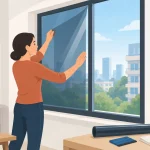

A west-facing living room can feel noticeably hotter than the rest of the home by midafternoon, even with the air conditioning running. The right window film can change that without replacing your existing glass. Knowing how to choose solar film starts with looking beyond color or price and focusing on the performance your windows actually need.
For homes, apartments, offices, and retail spaces, solar film is a practical upgrade for reducing solar heat, glare, and UV exposure. But not every film performs the same way, and the darkest option is not automatically the coolest. A well-chosen film should improve comfort while preserving the natural light, views, and exterior appearance you want.
Start With the Problem You Want to Solve
Solar film is most effective when it is selected for a specific condition rather than installed as a one-size-fits-all solution. Begin by observing when your rooms become uncomfortable. Is the concern afternoon heat, glare on screens, fading furniture, lack of daytime privacy, or several of these issues at once?
A sun-facing bedroom may need strong heat rejection and a comfortable level of privacy. An office with large glass panels may need glare reduction that still allows staff to see clearly and work in bright surroundings. A storefront may prioritize protection for displays while maintaining a clean, welcoming appearance from outside.
Window orientation matters. East-facing windows receive intense morning sun, while west-facing glass often creates the most difficult late-day heat and glare. South-facing exposure can deliver prolonged sunlight in many locations. In compact urban buildings, reflected light from neighboring towers, roads, and water can also increase glare even when a window is not directly facing the sun.
Understand the Solar Film Ratings That Matter
Product specifications can be confusing, but a few measurements provide a reliable basis for comparison. The most useful figures are total solar energy rejected, visible light transmission, UV rejection, and glare reduction.
Total Solar Energy Rejected
Total Solar Energy Rejected, often shown as TSER, indicates how much of the sun’s overall energy a film keeps from entering through the glass. This includes visible light, infrared energy, and ultraviolet energy. In general, a higher TSER means better heat-control performance.
Do not compare TSER in isolation, however. The number should be assessed against the type of existing glass and the film’s visible light level. A premium spectrally selective film can reject substantial heat while remaining relatively light and clear. This is valuable when you want daylight and an open view without the heavy appearance of a dark tint.
Visible Light Transmission
Visible Light Transmission, or VLT, is the percentage of visible light that passes through the film and glass. A high VLT looks lighter and lets more daylight enter. A lower VLT looks darker, reduces brightness, and usually helps control glare more aggressively.
Lower VLT is not always the best choice. A very dark film may make a room feel dim, alter how interior colors appear, and reduce nighttime visibility. It can be a smart choice for media rooms, intensely sunny windows, or spaces where privacy is the priority, but it may not suit every room in a home or office.
UV Rejection and Glare Reduction
Quality solar films typically block up to 99% of harmful ultraviolet rays. UV protection helps reduce fading and deterioration in flooring, upholstery, artwork, window displays, and other interior finishes. It is a meaningful benefit, although sunlight and heat can still contribute to fading over time.
Glare reduction deserves equal attention. If you are constantly lowering blinds to see a laptop screen or television, choose a film designed to manage visible brightness, not just infrared heat. The goal is a more usable room, not simply a darker one.
Choose the Right Film Technology and Finish
Dyed, metalized, ceramic, and spectrally selective films each create a different balance of heat rejection, reflectivity, color, and visibility. The right option depends on your window, your preferred appearance, and the level of solar control required.
Metalized and reflective films can provide strong daytime heat and glare control. They may also create a mirrored exterior look that improves daytime privacy. That appearance can be useful in commercial properties and certain homes, but building management rules or aesthetic preferences may limit how reflective a film can be.
Ceramic and spectrally selective films are often preferred when a more natural look is important. Their advanced construction can reject a high level of infrared heat without turning the glass very dark or highly reflective. For living areas, offices, and windows with valued views, this balance is often worth the higher initial investment.
Neutral shades tend to preserve the original look of the glass. Some films have a warmer, cooler, gray, bronze, or blue-toned appearance. Always view a sample against your actual window in daylight before deciding. A film that looks subtle on a sample card can appear different once installed over tinted, laminated, or low-emissivity glass.
Consider Privacy in Daylight and at Night
Many property owners assume reflective solar film provides complete privacy. It does not. One-way reflective film works best when the outside is brighter than the inside, which is usually during the day. At night, when interior lights are on, the effect can reverse and people outside may be able to see in.
If privacy is your main concern, combine your solar-control decision with how you use the room after dark. A moderately reflective solar film may be enough for daytime privacy while curtains or blinds provide nighttime coverage. For bathrooms, meeting rooms, or windows that require permanent privacy, frosted or blackout film may be the more appropriate solution.
Privacy also involves sightlines. In apartments and closely spaced buildings, a light solar film may reduce heat very well but do little to obscure a direct view from neighboring windows. Be clear about whether you want solar control, decorative screening, or true visual privacy before selecting a film.
Check Your Glass Before Selecting Solar Film
The glass itself affects which films can be installed safely. Applying film changes how glass absorbs and releases solar energy. In some situations, especially with certain insulated glass units, low-emissivity coatings, laminated panels, or damaged glass, an unsuitable film can increase thermal stress.
This is why an on-site assessment is more valuable than choosing solely from an online image. A professional should identify the glass type, panel size, existing tint, window condition, and exposure to direct sun. For commercial projects, they should also consider façade consistency and whether different areas of the building have different performance needs.
Ask about manufacturer compatibility guidance and warranty coverage for your specific glass. A reputable installer will recommend a film that is appropriate for the application rather than simply pushing the darkest or most expensive option. At ShieldShade International, this consultative approach helps match premium film technologies to the realities of residential and commercial glass.
Balance Performance With Daily Comfort
When deciding how to choose solar film, think about the room throughout the full day, not only at the hottest hour. A film that dramatically cuts glare may be ideal on a sun-blasted conference room window but too dark for a kitchen that depends on daylight. A light, high-performance film can be an excellent fit for a living room, though it may not provide the privacy needed at street level.
Consider how the film will affect indoor plants, décor, views, and lighting use. Better solar control can reduce cooling demand and help rooms feel more consistent, but a darker finish may mean turning on lights earlier. There is no universal best film – only the best balance for each window.
Price should be evaluated as part of that balance. Lower-cost films can offer basic tinting, but film quality, adhesive technology, optical clarity, fading resistance, and warranty support all influence long-term value. Professional installation also matters. Accurate measuring, clean glass preparation, proper edge finishing, and careful curing are essential to a durable, clear result.
Make Your Final Decision With Real Samples
Before installation, compare a short list of films on the actual glass whenever possible. Look at the samples from inside and outside during bright daylight, then revisit them under interior lighting if privacy is a concern. Ask for the VLT, TSER, UV rejection, glare reduction, reflectivity, warranty details, and recommended use for each option.
The best solar film should make a noticeable difference where you feel it most: less heat at the window, fewer distracting reflections, protected interiors, and a more comfortable space to live or work. Choose it around your glass, your sun exposure, and your daily routine, and your windows can work harder without changing the character of your property.