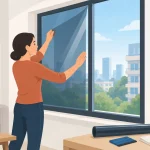

The living room can look perfect on a floor plan and still become the least comfortable space in the house by midafternoon. Direct sun creates hot spots near windows, glare washes out screens, and exposed glass can leave residents feeling visible to the next building. This residential window film buying guide helps you choose a solution based on how your home actually feels throughout the day, not simply how dark a sample looks.
Window film is a practical upgrade because it improves the performance of existing glass without the disruption and cost of window replacement. The right film can reduce solar heat, filter ultraviolet rays, soften glare, add privacy, or change the look of interior glass. The wrong choice, however, can make a room unnecessarily dark, provide privacy only under certain lighting conditions, or create compatibility issues with the glass. A good decision begins with the problem you want to solve.
Start Your Residential Window Film Buying Guide With the Room
Do not choose one film for every window by default. A west-facing living room, a bathroom facing a neighboring property, and a home office with a glass divider have different needs. Looking at each room separately leads to a result that is more comfortable and more natural-looking.
For hot, bright rooms, solar control film is usually the priority. It is designed to reduce the amount of solar energy entering through glass, helping rooms feel less harsh during peak daylight hours. This can also reduce the strain on air conditioning, particularly in homes with large windows and strong afternoon exposure. The best choice depends on glass orientation, window size, shading from nearby buildings or trees, and how much natural light you want to retain.
For bedrooms, bathrooms, ground-floor spaces, and closely positioned apartments, privacy may come first. Frosted and blackout films provide dependable obscurity because they block the view through the glass. One-way reflective film can be effective for daytime privacy, but it is not a complete night privacy solution. When interior lights are brighter than outside, the reflective effect can reverse and the room may become visible. This is a common buying mistake and one that should be addressed before installation.
If glare is the main complaint, consider how the room is used. A film that feels comfortable in a hallway may still be too reflective for a television room or too dark for a kitchen. The goal is not to eliminate daylight. It is to make daylight easier to live with.
Understand the Numbers That Affect Performance
Film specifications can seem technical, but a few measurements are especially useful when comparing options. Ask for performance information rather than relying only on color names such as “dark,” “cool,” or “premium.”
Visible light transmission, often called VLT, tells you how much visible light passes through the filmed glass. A lower VLT generally means a darker appearance and greater glare reduction. It can be useful on intensely sunny windows, but it may make a naturally dim room feel closed in. A medium or lighter film often provides a better balance where daylight matters.
Solar heat reduction may be expressed through total solar energy rejected or similar manufacturer ratings. Higher heat rejection is valuable for sun-facing windows, yet the best-performing heat-control films are not always the darkest. Modern ceramic and spectrally selective films can reject substantial heat while keeping a relatively clear appearance. This makes them a strong option for homeowners who want comfort without dramatically changing their view.
UV rejection is another important consideration. Quality window films can filter a large percentage of ultraviolet radiation, which contributes to fading of flooring, upholstery, artwork, and wood finishes. Film cannot stop all fading because visible light and heat also play a part, but it adds meaningful protection for interiors exposed to regular sun.
Reflectivity deserves attention as well. Exterior reflectivity changes how the windows look from outside, while interior reflectivity affects how much of the room may reflect in the glass after dark. If preserving a clear outward view is important, ask to see a sample on glass in conditions similar to your home.
Heat Control Does Not Always Mean Darker Glass
A dark tint can reduce brightness, but it is not automatically the best answer for heat. Older dyed films may create a darker look without delivering the same heat performance as higher-grade ceramic or metalized options. They can also be more prone to color change over time.
For large living-room windows, condos with panoramic views, and homes where daylight is valuable, premium solar film is often worth considering. It can cost more upfront, but better optical clarity, stronger heat management, and longer-term appearance may justify the investment. The right recommendation should be based on the window and your priorities, not a one-size-fits-all tint level.
Choose the Right Film Category
Residential films generally fall into several functional categories. Solar film is the choice for heat, glare, UV filtering, and daytime comfort. Privacy and blackout films are designed for concealment. Frosted film obscures views while still allowing light through, making it particularly useful for bathroom windows, entry sidelights, and glass doors. Decorative film adds pattern, texture, or a custom finish to glass partitions and interior features.
One-way reflective film is popular because it provides a clean, modern exterior appearance while reducing daytime visibility from outside. It works best when daylight is stronger outside than inside. For rooms that need privacy around the clock, pair it with blinds or curtains, or select a frosted or blackout solution instead.
Decorative and frosted films should not be treated as purely cosmetic. They can create privacy in an open-plan home without building a wall or replacing a glass panel. A subtle frosted band across a glass door, for example, can shield key sightlines while keeping the room open and bright.
Check Your Existing Glass Before You Buy
Not every film is suitable for every glass type. This is where professional assessment matters. Applying the wrong film to certain insulated glass units, laminated glass, tinted glass, or specialized coatings may increase thermal stress and raise the risk of glass damage. Large panes with strong sun exposure deserve especially careful evaluation.
Before selecting a product, identify whether your windows are single-pane, double-pane, tempered, laminated, or already coated. If you do not know, an experienced installer can inspect the glass and recommend compatible options. They should also consider the condition of window seals, the direction each window faces, and whether external shading changes throughout the year.
This step is not an unnecessary complication. It protects your investment and ensures that the film performs as expected. A reputable specialist will explain any limitations clearly instead of promising the same result for every window.
Compare Samples in Your Actual Space
A showroom sample is useful, but your home is the real test. Ask to view film samples against your own glass, preferably at different times of day. Morning light, afternoon sun, interior lighting, and exterior surroundings can all change the appearance of a film.
Pay close attention to three things: how the view looks from inside, how much glare remains on screens, and whether the glass color suits the room. A highly reflective finish may be ideal for one façade but look too mirror-like on another. Likewise, a neutral film may preserve color accuracy better than a heavily tinted option in rooms with light walls and natural finishes.
If you are comparing quotes, make sure they describe the actual film grade and performance ratings. Two films may appear similar in a small sample but differ in heat rejection, clarity, warranty coverage, and long-term durability. The lowest quote is not always the lowest-cost choice once premature replacement or disappointing performance is considered.
Treat Installation and Warranty as Part of the Product
Film quality matters, but installation quality determines whether it looks clean and lasts. Professional installation requires careful surface preparation, precise cutting, controlled application, and proper edge finishing. Dust, poor adhesion, trapped moisture, or uneven trimming can affect both appearance and durability.
Some moisture haze and small water pockets can be normal immediately after installation while the film cures. Drying time varies with film type, weather, and window conditions. Your installer should explain what is normal, how long curing may take, and when to report an issue.
Ask what the warranty covers and whether it applies to residential use on your specific glass type. A meaningful warranty should address concerns such as peeling, bubbling, cracking, excessive fading, or adhesive failure under normal conditions. It should also be backed by a supplier and installer with the experience to stand behind the work.
ShieldShade International approaches window film as a performance system, combining premium sourced films with recommendations and installation matched to the glass, exposure, and purpose of each space. That level of assessment is particularly valuable when you want a clear view and effective heat control rather than a generic dark tint.
Make a Decision You Will Still Like After Sunset
The best residential window film should make your home more comfortable without creating a new problem. Think beyond the midday sun. Consider how the windows will look at night, whether privacy still works when lights are on, how the film affects your view, and whether the room will receive enough daylight in rainy or overcast weather.
Choose the film that solves your most persistent issue while respecting the way you use the room. When heat, glare, privacy, glass compatibility, and installation quality are considered together, window film becomes a focused home improvement that you notice most in the moments when you no longer have to think about it.